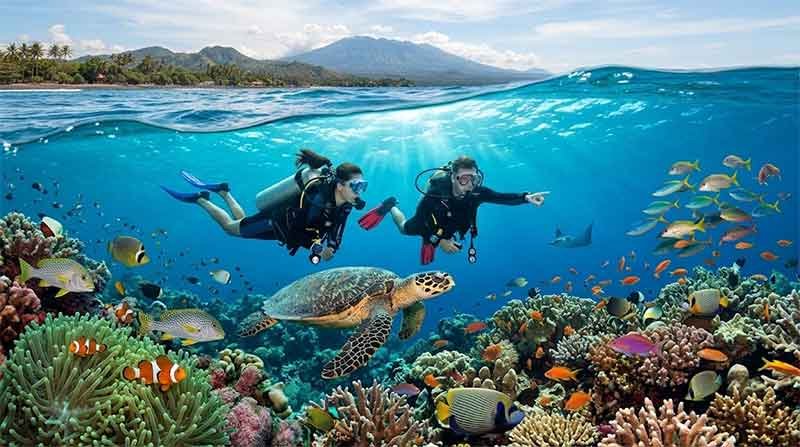
Bali Diving for Wildlife Lovers is one of the most rewarding underwater experiences in Southeast Asia. With warm tropical waters, thriving coral reefs, dramatic underwater landscapes, and an incredible diversity of marine life, Bali has become a dream destination for divers who want to encounter wildlife in its natural habitat. From majestic manta rays gliding effortlessly through the ocean to tiny, colorful nudibranchs hiding among coral gardens, Bali offers unforgettable diving adventures for beginners and experienced divers alike.
Whether you are passionate about marine conservation, underwater photography, or simply enjoy observing ocean creatures up close, Bali provides countless opportunities to discover one of the richest marine ecosystems in the Indonesian archipelago.
Why Bali Is a Paradise for Marine Wildlife
Bali sits within the Coral Triangle, often called the world's epicenter of marine biodiversity. This remarkable region contains thousands of species of fish, corals, mollusks, crustaceans, and other marine organisms that cannot be found together anywhere else on Earth.
The island benefits from nutrient-rich ocean currents that support healthy reef systems and attract larger marine animals throughout the year. Different dive sites feature unique underwater environments, allowing divers to experience a wide variety of wildlife during a single diving holiday.
Some locations are famous for pelagic species, while others are known for macro life, coral reefs, or rare underwater creatures.
Marine Animals You Can See While Diving in Bali
One of Bali's biggest attractions is the incredible variety of marine wildlife waiting beneath the surface.
Manta Rays
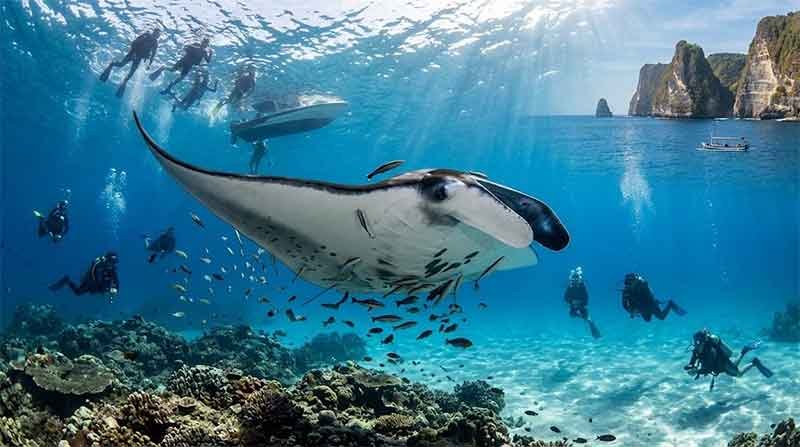
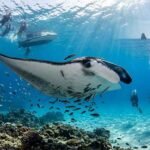
Manta rays are among Bali's most famous underwater residents. These gentle giants can have wingspans exceeding four meters and often gather at cleaning stations where smaller fish remove parasites from their bodies.
Watching a manta ray gracefully circle above divers is one of the most memorable experiences in Bali diving.
Mola Mola (Ocean Sunfish)
The mysterious Mola Mola is considered one of the most sought-after marine encounters in the world.
Usually appearing during the dry season around deeper offshore reefs, these enormous fish rise from colder waters to visit cleaning stations. Seeing one requires patience, favorable conditions, and an experienced dive guide.
Sea Turtles
Green turtles and hawksbill turtles are common at many Bali dive sites. They can often be seen feeding on seagrass, resting beneath coral ledges, or swimming slowly across reef slopes.
Because turtles are protected, responsible diving practices help ensure these ancient reptiles continue to thrive.
Reef Sharks
Several reef species inhabit Bali's waters, including white-tip reef sharks and black-tip reef sharks. These sharks are generally shy and pose little risk to divers.
Observing them cruising along coral reefs adds excitement while highlighting the health of Bali's marine ecosystem.
Colorful Reef Fish
Thousands of tropical fish species inhabit Bali's reefs.
Divers frequently encounter:
- Butterflyfish
- Angelfish
- Parrotfish
- Surgeonfish
- Bannerfish
- Triggerfish
- Sweetlips
- Fusiliers
- Anthias
- Damselfish
- Clownfish
Large schools of fish create spectacular underwater scenes that delight both divers and photographers.
Best Dive Sites for Wildlife Encounters
Every dive destination around Bali offers its own unique wildlife experience.
Nusa Penida
Nusa Penida is internationally renowned for manta rays and seasonal Mola Mola sightings. Strong currents bring nutrient-rich water that supports abundant marine life.
Divers can also enjoy healthy coral reefs, schooling fish, turtles, eagle rays, and reef sharks.
Tulamben
Tulamben combines history and biodiversity. The famous USAT Liberty Shipwreck has transformed into an artificial reef covered with soft corals, sponges, and marine life.
Wildlife commonly includes:
- Bumphead parrotfish
- Leaf scorpionfish
- Garden eels
- Frogfish
- Ghost pipefish
- Giant moray eels
- Octopus
- Sea turtles
Night diving here reveals an entirely different underwater world.
Padang Bai
Padang Bai is perfect for wildlife enthusiasts who enjoy both reef diving and macro photography.
Divers often find:
- Blue-ring octopus
- Pygmy seahorses
- Ribbon eels
- Lionfish
- Nudibranchs
- Cuttlefish
- Reef squid
Its calm conditions make it suitable for many certification levels.
Menjangan Island
Located within West Bali National Park, Menjangan Island offers crystal-clear visibility and healthy coral walls.
Marine life includes:
- Sea turtles
- Reef sharks
- Giant trevallies
- Schools of snapper
- Barracuda
- Moray eels
- Numerous reef fish species
The excellent visibility makes wildlife observation especially enjoyable.
Amed
Amed is known for peaceful diving, volcanic reefs, and diverse macro life.
Wildlife sightings frequently include:
- Seahorses
- Frogfish
- Nudibranchs
- Pipefish
- Octopus
- Reef fish
- Shrimp
- Crabs
Its gentle conditions also make it ideal for beginner wildlife divers.
Macro Wildlife: Bali's Hidden Treasures
Not every fascinating marine creature is large.
Macro diving allows divers to discover incredibly small animals that many people would otherwise overlook.
Some favorites include:
- Pygmy seahorses
- Nudibranchs
- Skeleton shrimp
- Harlequin shrimp
- Emperor shrimp
- Ghost pipefish
- Decorator crabs
- Mimic octopus
- Flamboyant cuttlefish
- Tiny blennies
These miniature creatures attract underwater photographers from around the world.
Seasonal Wildlife Highlights
Although diving is available throughout the year, certain seasons increase the chances of seeing specific animals.
Dry Season
The dry season generally provides excellent visibility and cooler water around southern Bali.
This is the best period for possible Mola Mola encounters near Nusa Penida.
Wet Season
The rainy season often brings warmer water and excellent macro diving conditions.
Smaller marine species become especially active, making this a rewarding time for underwater photographers.
Year-Round Wildlife
Many species remain visible throughout the year, including:
- Sea turtles
- Reef fish
- Moray eels
- Octopus
- Frogfish
- Coral reef inhabitants
- Nudibranchs
This means wildlife lovers can enjoy memorable dives regardless of the season.
Coral Reefs Support Every Wildlife Encounter
Healthy coral reefs form the foundation of Bali's underwater ecosystem.
Hard corals provide shelter for fish, while soft corals create colorful habitats for countless invertebrates. Reef structures also offer protection for juvenile fish and feeding grounds for larger predators.
Protecting coral reefs directly supports every marine animal divers hope to encounter.
Responsible Wildlife Diving
Ethical diving helps preserve Bali's marine biodiversity for future generations.
Responsible divers should always:
- Maintain good buoyancy.
- Never touch marine animals.
- Avoid chasing wildlife.
- Do not feed fish.
- Respect cleaning stations.
- Keep a safe viewing distance.
- Follow local dive guide instructions.
- Never collect shells or coral.
- Use reef-safe sunscreen whenever possible.
- Support environmentally responsible dive operators.
Small actions by individual divers contribute significantly to marine conservation.
Wildlife Photography Tips
Capturing underwater wildlife requires patience rather than speed.
Successful wildlife photographers often:
- Move slowly.
- Observe animal behavior.
- Avoid sudden movements.
- Use natural positioning.
- Keep proper buoyancy.
- Never stress marine animals for photographs.
Respecting wildlife always results in more authentic images and healthier marine environments.
Marine Conservation in Bali
Numerous organizations, dive centers, and local communities work together to protect Bali's marine ecosystems.
Conservation efforts include:
- Coral restoration projects
- Reef monitoring
- Beach cleanups
- Marine education
- Sustainable tourism
- Reef protection programs
- Responsible diving education
Visitors who choose environmentally conscious dive operators help support these ongoing initiatives.
Why Wildlife Lovers Choose Bali Again and Again
Few destinations offer such an extraordinary combination of biodiversity, accessibility, warm water, excellent dive infrastructure, and year-round diving opportunities.
Every dive presents something different. One day may feature graceful manta rays soaring through blue water, while the next reveals tiny nudibranchs, curious octopuses, and colorful reef fish hidden among vibrant corals. This constant variety keeps divers returning to Bali year after year.
Whether you are earning your first scuba certification or have logged hundreds of dives around the world, Bali continues to surprise even the most experienced underwater explorers.
Conclusion
Bali Diving for Wildlife Lovers is more than just a scuba diving holiday—it is an opportunity to experience one of the richest marine ecosystems on Earth. From giant manta rays and seasonal Mola Mola to delicate pygmy seahorses, thriving coral reefs, and thousands of tropical fish, Bali delivers extraordinary wildlife encounters in every direction.
With responsible diving practices, respect for marine life, and a commitment to conservation, every dive becomes part of a larger effort to protect Bali's spectacular underwater world. For anyone who dreams of exploring vibrant reefs filled with fascinating sea creatures, Bali remains one of the finest wildlife diving destinations in the world.
Related Posts: