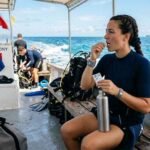

Tips for Motion Sickness on Dive Boats are essential for anyone planning a scuba diving trip, whether you are a beginner or an experienced diver. Motion sickness can quickly turn an exciting day on the ocean into an uncomfortable experience, but with the right preparation, most people can prevent or significantly reduce its effects. Understanding why motion sickness happens and learning practical strategies before, during, and after your boat trip will help you stay comfortable, enjoy your dives, and make the most of your underwater adventure.
What Causes Motion Sickness on Dive Boats?
Motion sickness occurs when your brain receives conflicting signals from your eyes, inner ear, and body. While your inner ear detects the constant movement of the boat, your eyes may be focused on objects inside the vessel that appear stationary. This sensory mismatch can trigger symptoms such as:
- Nausea
- Dizziness
- Cold sweating
- Headache
- Fatigue
- Vomiting
- Loss of appetite
Dive boats can experience continuous rocking due to waves, currents, and wind, making them one of the most common places where motion sickness occurs.
Why Motion Sickness Should Not Ruin Your Diving Trip
Many first-time divers worry that feeling seasick means they cannot enjoy scuba diving. Fortunately, this is rarely the case. Interestingly, many divers report that their symptoms disappear almost immediately after entering the water because the body is no longer moving independently from the surrounding environment.
The challenge is usually the boat ride before and after the dive rather than the dive itself.
Prepare Before Your Dive Trip
Preparation is one of the most effective ways to prevent motion sickness.
Get Plenty of Sleep
Fatigue can make your body more sensitive to motion. Try to get a full night's sleep before your diving excursion.
Stay Hydrated
Drink plenty of water the day before and the morning of your trip. Dehydration can worsen nausea and dizziness.
Avoid excessive alcohol the night before, as it can increase dehydration and make seasickness much worse.
Eat a Light Meal
Many people think skipping breakfast helps prevent nausea, but an empty stomach can actually make symptoms worse.
Choose foods such as:
- Toast
- Oatmeal
- Bananas
- Rice
- Yogurt
- Crackers
- Eggs
Avoid greasy, spicy, or very heavy meals before boarding.
Choose the Right Spot on the Boat
Your position on the boat can make a significant difference.
The most stable area is generally:
- Near the center of the boat
- On the lower deck if available
- Close to the waterline
Avoid sitting at the very front or rear of the boat, where movement is often strongest.
Keep Your Eyes on the Horizon
Looking at the distant horizon helps your brain match what your inner ear is sensing.
Avoid:
- Reading books
- Looking at your phone
- Watching videos
- Looking down for long periods
Instead, spend time looking toward the horizon or the open ocean whenever possible.
Stay in Fresh Air
Fresh air can reduce feelings of nausea.
Whenever possible:
- Stand outside
- Avoid enclosed cabins
- Stay where there is good airflow
- Face into the wind
Fresh air also helps regulate your breathing and reduces discomfort.
Consider Motion Sickness Medication
Many divers successfully use over-the-counter motion sickness medications.
Common options include:
- Dimenhydrinate
- Meclizine
- Cinnarizine (available in some countries)
These medications are generally most effective when taken before symptoms begin, often 30 to 60 minutes before boarding.
Always read the instructions carefully and consult your healthcare provider if you have medical conditions, take prescription medications, or have concerns about side effects such as drowsiness.
Try Natural Remedies
Some people prefer natural alternatives.
Popular options include:
Ginger
Ginger has been widely used to reduce nausea.
You can consume it as:
- Ginger tea
- Ginger candy
- Ginger capsules
- Fresh ginger
Peppermint
Peppermint tea or peppermint candies may help settle the stomach for some individuals.
Acupressure Wristbands
Sea sickness wristbands apply gentle pressure to a point on the wrist believed to reduce nausea. While effectiveness varies from person to person, many travelers find them helpful because they are drug-free and easy to use.
Avoid Strong Smells
Certain odors can trigger or worsen nausea.
Try to stay away from:
- Engine exhaust
- Fuel fumes
- Cigarette smoke
- Strong perfumes
- Heavy cooking smells
Fresh air is usually your best option.
Stay Calm and Relaxed
Anxiety can make motion sickness worse.
Before your dive:
- Take slow, deep breaths.
- Stay positive.
- Focus on relaxing.
- Talk with fellow divers.
- Listen to the dive briefing carefully.
Stress and nervousness can intensify physical symptoms.
Avoid Excessive Head Movement
Rapid head movements can confuse your balance system even more.
Move slowly when:
- Walking around the boat
- Putting on dive equipment
- Preparing your camera
- Looking around
Keeping your movements controlled helps reduce dizziness.
Wear Comfortable Clothing
Loose, breathable clothing helps you stay cool and comfortable.
Avoid becoming overheated, as heat can make nausea worse.
Bring:
- Lightweight clothing
- Hat
- Sunglasses
- Waterproof jacket if necessary
Know When to Dive
Interestingly, many divers feel much better once they enter the water.
If your dive guide confirms conditions are safe and you feel capable, entering the water can often relieve motion sickness because your body moves naturally with the surrounding water instead of against it.
Never rush your entry, and always follow your dive guide's instructions.
Stay Hydrated Between Dives
After each dive:
- Drink water
- Eat light snacks
- Rest in the shade
- Avoid excessive caffeine
Maintaining energy levels helps your body recover throughout the day.
Listen to Your Dive Crew
Experienced dive crews have helped countless divers deal with motion sickness.
They may recommend:
- The most stable seating area
- The best time to gear up
- Safe entry procedures
- When to take medication
- Extra hydration
Do not hesitate to let the crew know if you begin feeling unwell.
What to Do If You Start Feeling Seasick
Early action often prevents symptoms from becoming severe.
If you notice nausea:
- Move outside into fresh air.
- Look toward the horizon.
- Take slow, deep breaths.
- Sip water slowly.
- Avoid reading your phone.
- Sit in the middle of the boat.
- Stay as cool as possible.
Many people recover quickly if they respond at the first signs.
Common Mistakes That Increase Motion Sickness
Avoid these common errors:
- Boarding on an empty stomach
- Drinking excessive alcohol
- Forgetting to hydrate
- Staying inside the cabin
- Reading while the boat is moving
- Waiting too long to take medication
- Ignoring early symptoms
- Becoming overheated
- Skipping sleep before the trip
Can Beginners Prevent Motion Sickness?
Absolutely. Many beginner divers worry about becoming seasick, but simple preparation makes a significant difference.
Most new divers discover that motion sickness is manageable and does not prevent them from enjoying incredible underwater experiences.
With experience, many divers become less sensitive to boat motion over time.
When Should You Skip Diving?
If motion sickness becomes severe and is accompanied by extreme dizziness, repeated vomiting, dehydration, or if you feel unable to safely manage your dive equipment, it is best to inform the dive crew and avoid entering the water.
Safety should always be your highest priority.
There will always be another opportunity to dive when you feel better.
Frequently Asked Questions
Is it better to take motion sickness medicine before boarding?
Yes. Most medications work best when taken before symptoms begin, usually 30 to 60 minutes before departure.
Does scuba diving itself cause motion sickness?
Usually not. Many divers actually feel better once they enter the water because the body is moving naturally with the surrounding environment.
Can I dive after feeling seasick?
If your symptoms improve, you are well hydrated, alert, and the dive crew confirms it is safe, many people continue diving without problems.
Is ginger really effective?
Many travelers find ginger helpful for mild nausea. Scientific studies suggest it may reduce motion-related nausea for some individuals, although results vary.
Will I always get seasick on dive boats?
Not necessarily. Many people experience motion sickness only during their first few boat trips. As they gain experience and use preventive strategies, symptoms often become much less noticeable.
Conclusion
Tips for Motion Sickness on Dive Boats can make the difference between an uncomfortable boat ride and an enjoyable day of scuba diving. By preparing before your trip, staying hydrated, eating light meals, choosing the most stable area of the boat, looking toward the horizon, using fresh air, and considering medication or natural remedies when appropriate, you can greatly reduce the risk of seasickness. Motion sickness is common, even among experienced divers, but it does not have to prevent you from exploring the underwater world. With proper planning and a positive mindset, you can stay comfortable, dive safely, and fully enjoy every adventure at sea.
Related Posts: