
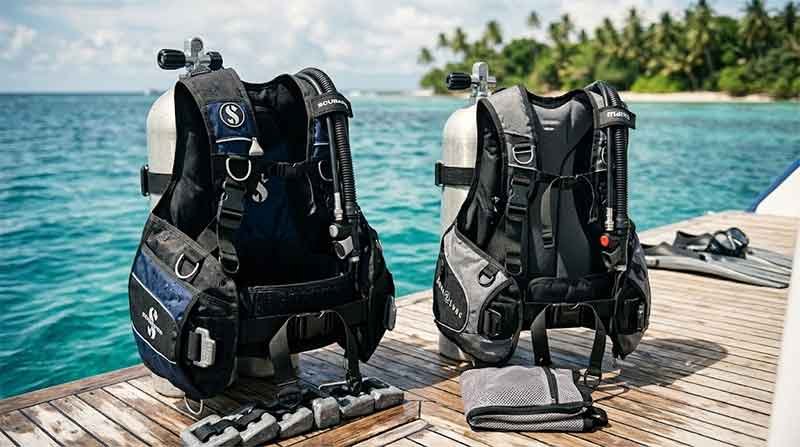
Travel BCD vs Standard BCD is one of the most common comparisons scuba divers make when choosing their buoyancy control device. Whether you're planning frequent dive vacations, exploring tropical destinations like Bali, or diving close to home every weekend, selecting the right BCD can significantly affect your comfort, mobility, packing convenience, and underwater performance.
While both travel BCDs and standard BCDs perform the same essential function of controlling buoyancy, they are designed with different priorities in mind. Understanding these differences will help you invest in equipment that best matches your diving style and future adventures.
What Is a BCD?
A Buoyancy Control Device (BCD) is one of the most important pieces of scuba equipment. It allows divers to control their buoyancy throughout the dive by adding or releasing air. Besides buoyancy control, a BCD securely holds your scuba tank and often includes pockets, attachment points for accessories, integrated weight systems, and adjustable straps for comfort.
Modern BCDs come in various styles, but they generally fall into two categories:
- Travel BCD
- Standard BCD
Although they share the same purpose, their construction and features differ considerably.
What Is a Travel BCD?
A travel BCD is specifically designed for divers who fly frequently or prefer lightweight dive gear. Manufacturers reduce unnecessary bulk by using lighter materials, streamlined padding, and compact designs that fit easily into luggage.
Travel BCDs are especially popular among divers who regularly visit destinations like Bali, Thailand, the Maldives, Egypt, or the Caribbean.
Key Features of Travel BCDs
- Lightweight construction
- Compact folding design
- Minimal padding
- Smaller integrated pockets
- Aluminum or lightweight backplate
- Reduced overall luggage weight
- Easy to pack into suitcases
Most travel BCDs weigh between 4–6 pounds (1.8–2.7 kg), making them ideal for airline baggage restrictions.
What Is a Standard BCD?
A standard BCD is designed primarily for comfort, durability, and versatility rather than portability. These BCDs include thicker padding, stronger materials, larger storage pockets, and additional D-rings for carrying accessories.
Standard BCDs are commonly used by:
- Dive centers
- Professional dive instructors
- Divemasters
- Local recreational divers
- Technical divers (depending on the model)
They typically weigh between 7–10 pounds (3.2–4.5 kg) or more.
Weight Comparison
One of the biggest differences between travel and standard BCDs is their weight.
Travel BCD
- Usually 4–6 pounds
- Easier to stay within airline baggage limits
- Leaves more room for cameras, wetsuits, and other dive equipment
Standard BCD
- Usually 7–10 pounds
- Heavier due to additional padding and durable materials
- Better suited for divers who mainly dive locally
For travelers who take several dive vacations each year, saving even three or four pounds can make a noticeable difference.
Packing Convenience
Frequent travelers often choose a travel BCD because it folds much smaller.
Travel BCDs are designed with flexible materials that can be compressed inside a suitcase. Many models fold almost flat, making them easy to pack alongside fins, masks, regulators, and clothing.
Standard BCDs are bulkier and require significantly more luggage space due to their thicker back padding and larger air bladder.
Comfort During Diving
Comfort is an area where standard BCDs often excel.
Standard BCD Advantages
- Thick shoulder padding
- Cushioned back support
- Better weight distribution
- More comfortable during long dive days
- Reduced pressure from heavy steel cylinders
If you regularly complete multiple dives per day or spend hours wearing equipment between dives, a standard BCD often feels more supportive.
Travel BCDs prioritize lightweight construction, meaning they generally have less padding. While many modern travel BCDs remain comfortable underwater, they may feel less supportive on the surface when carrying heavy tanks.
Durability
Standard BCDs are generally built with heavier-duty materials.
They are intended to withstand:
- Daily commercial use
- Frequent boat diving
- Shore entries
- Rough handling
- Years of heavy diving
Travel BCDs use lighter fabrics to reduce weight. While still durable for recreational diving, they may show wear sooner if subjected to constant heavy use.
Lift Capacity
Lift capacity refers to how much buoyancy the BCD can provide.
Standard BCDs often have:
- Larger air cells
- Greater lift capacity
- Better support for heavier equipment
- More suitable for cold-water diving
Travel BCDs usually offer slightly lower lift because they are designed for warm-water recreational diving with lightweight aluminum tanks.
For tropical diving, the lift capacity of travel BCDs is generally more than sufficient.
Storage Pockets
Storage is another noticeable difference.
Standard BCD
Usually includes:
- Large cargo pockets
- Multiple zippered compartments
- Numerous D-rings
- Knife attachment points
- Accessory clips
Travel BCD
Typically offers:
- Smaller pockets
- Fewer D-rings
- Simplified layout
- Lightweight accessory attachment points
Divers who carry cameras, reels, DSMBs, flashlights, slates, and backup gear often appreciate the additional storage available on standard models.
Integrated Weight Systems
Both travel and standard BCDs commonly include integrated weight systems.
However, standard BCDs generally feature:
- Larger weight pockets
- Higher weight capacity
- More secure locking mechanisms
Travel BCDs often use smaller integrated pockets suitable for warm-water diving, where less lead is required.
Stability Underwater
Modern travel BCDs provide excellent underwater trim, but standard BCDs may offer greater stability when carrying heavier equipment.
Factors affecting stability include:
- Tank positioning
- Backplate design
- Air bladder shape
- Weight distribution
For recreational tropical diving, most divers will notice little difference once underwater.
Best for Airline Travel
If your diving involves frequent flights, a travel BCD has several clear advantages.
Benefits include:
- Lower baggage fees
- Easier airport transportation
- Faster packing
- More suitcase space
- Reduced lifting effort
Many divers specifically purchase a travel BCD for international dive holidays while keeping a standard BCD for local diving.
Best for Local Diving
If you mostly dive from your local dive center or own a vehicle for transporting equipment, a standard BCD often provides greater overall comfort.
Its additional weight becomes much less important when you are not concerned about airline luggage restrictions.
Price Comparison
Travel BCDs and standard BCDs are available across a wide range of prices.
The price depends more on:
- Brand
- Materials
- Integrated weight system
- Air cell design
- Premium features
High-end travel BCDs can cost as much as premium standard models.
Rather than focusing solely on price, divers should consider long-term value based on how often they travel.
Who Should Choose a Travel BCD?
A travel BCD is an excellent choice if you:
- Frequently fly to dive destinations
- Primarily dive in warm water
- Want lightweight luggage
- Prefer compact equipment
- Dive mostly on vacation
- Value convenience over extra storage
Who Should Choose a Standard BCD?
A standard BCD is ideal if you:
- Dive every weekend
- Use heavy steel cylinders
- Dive in cold water
- Carry numerous accessories
- Want maximum comfort
- Need long-lasting durability
Can One BCD Do Everything?
Many divers wonder whether a single BCD can serve every purpose.
The answer depends on your diving habits.
If you primarily dive during vacations in tropical destinations, a quality travel BCD can easily meet all your needs.
However, if you regularly alternate between local cold-water diving and international travel, owning both a travel BCD and a standard BCD offers the greatest flexibility.
Maintenance Tips for Both Types
Regardless of which style you choose, proper maintenance extends the life of your BCD.
Always:
- Rinse thoroughly with fresh water after every dive
- Flush the inside of the bladder periodically
- Dry completely before storage
- Store partially inflated
- Inspect inflator hoses regularly
- Check dump valves for proper operation
- Service according to the manufacturer's recommendations
Proper care helps ensure safe and reliable performance for many years.
Final Thoughts
The decision between a Travel BCD vs Standard BCD ultimately depends on your diving lifestyle rather than which model is objectively better. Travel BCDs excel in portability, lightweight construction, and convenience for frequent flyers, making them ideal for tropical dive vacations and international adventures. Standard BCDs, on the other hand, prioritize comfort, durability, storage, and support, making them an excellent choice for regular local diving, heavier equipment setups, and divers who value long-term ruggedness.
Before making your purchase, consider where you dive most often, how frequently you travel, your typical luggage limitations, and the amount of equipment you carry underwater. Choosing the right BCD for your needs will enhance your comfort, improve buoyancy control, and make every dive more enjoyable, whether you're exploring vibrant coral reefs, drifting along walls, or discovering fascinating shipwrecks around the world.
Related Posts: