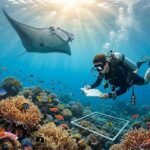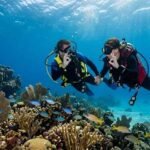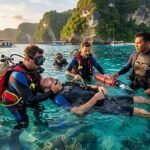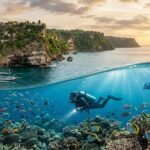
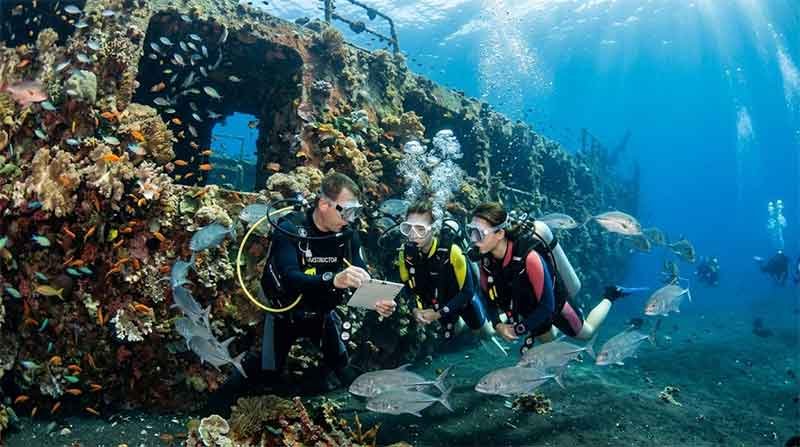
Wreck Diving Certification in Bali is the perfect choice for divers who want to explore fascinating underwater shipwrecks while developing advanced diving skills. Bali is home to some of the most famous wreck dive sites in the world, offering excellent visibility, warm tropical waters, and diverse marine life.
Whether you are looking to expand your diving knowledge or experience the excitement of exploring historic underwater structures, earning a Wreck Diving Certification in Bali provides an unforgettable adventure that combines education, safety, and exploration.
Why Choose Bali for Wreck Diving Certification?
Bali has become one of the world's leading scuba diving destinations thanks to its incredible diversity of dive sites. The island offers coral reefs, walls, drift dives, macro diving, and impressive shipwrecks suitable for different experience levels.
The warm water temperatures, generally ranging from 26°C to 30°C throughout the year, make diving comfortable in every season. Excellent visibility often extends beyond 20 meters, allowing divers to fully appreciate the impressive size and details of underwater wrecks.
Professional dive centers throughout Bali provide internationally recognized wreck diving courses with experienced instructors, modern equipment, and strict safety standards.
What Is Wreck Diving?
Wreck diving involves exploring ships, boats, airplanes, or other man-made structures that have become artificial reefs beneath the ocean. Over time, these wrecks become home to countless marine species, transforming them into thriving underwater ecosystems.
Unlike recreational reef diving, wreck diving requires additional knowledge about navigation, buoyancy control, hazard awareness, and safe exploration techniques. A specialized certification prepares divers to safely enjoy these unique environments.
Why Get a Wreck Diving Certification?
A wreck diving specialty course teaches much more than simply swimming around a sunken ship. Divers gain valuable skills that improve their overall diving abilities while learning techniques specific to wreck environments.
Some of the major benefits include:
- Improved buoyancy control
- Better underwater navigation
- Enhanced situational awareness
- Understanding wreck hazards
- Proper use of reels and guide lines
- Safe entry and exit planning
- Conservation and responsible wreck exploration
- Increased confidence underwater
These skills are valuable not only for wreck diving but also for many advanced recreational dives.
What You'll Learn During the Course
A typical Wreck Diving Certification combines classroom learning, practical skill sessions, and several open water dives.
Wreck Identification
Students learn how different wrecks are formed, their history, structural features, and how environmental conditions affect them over time.
Safety Procedures
Safety is the highest priority during wreck diving. Divers learn to identify potential hazards such as sharp metal, fishing nets, unstable structures, limited visibility, and entanglement risks.
Navigation Techniques
Proper navigation becomes even more important around wrecks because of their complex layouts. Students practice compass navigation and natural navigation techniques to safely move around the site.
Buoyancy Control
Excellent buoyancy prevents accidental contact with fragile wreck structures and marine life while improving overall air consumption and comfort underwater.
Line Handling
Divers practice using reels and guide lines for navigation and emergency procedures where appropriate.
Responsible Diving Practices
Environmental awareness is emphasized throughout the course to protect both historical wrecks and the marine ecosystems that have developed around them.
Prerequisites for Wreck Diving Certification
Most training agencies require divers to hold an Open Water Diver certification before enrolling. Some courses recommend or require an Advanced Open Water certification depending on the complexity of the dives.
Students should also:
- Be in good physical health
- Feel comfortable in open water
- Have basic buoyancy skills
- Complete required paperwork and medical questionnaires
- Meet the minimum age requirement set by the certification agency
Famous Wreck Dive Sites in Bali
Bali offers several outstanding wreck locations suitable for training and recreational exploration.
USAT Liberty Wreck
The USAT Liberty in Tulamben is Bali's most famous wreck and one of the world's most accessible shipwreck dives. Resting close to shore, it stretches over 120 meters and supports an incredible variety of marine life including bumphead parrotfish, reef fish, nudibranchs, moray eels, and colorful corals.
Its easy access and relatively shallow depth make it an excellent training location for many wreck diving courses.
Boga Wreck
Located near Kubu, the Boga Wreck was intentionally sunk to create an artificial reef. It offers swim-throughs, dramatic structures, and beautiful coral growth, making it an exciting site for certified wreck divers.
Japanese Shipwreck
A smaller but equally interesting wreck located near Amed, the Japanese Shipwreck is ideal for photographers and divers interested in combining wreck exploration with vibrant coral gardens.
Marine Life Around Bali's Wrecks
One of the greatest attractions of wreck diving in Bali is the incredible biodiversity surrounding the wrecks.
Common marine life includes:
- Giant trevallies
- Barracudas
- Sweetlips
- Lionfish
- Moray eels
- Frogfish
- Seahorses
- Nudibranchs
- Octopus
- Leaf scorpionfish
- Reef sharks
- Sea turtles
The wrecks act as artificial reefs, attracting countless species that thrive among the metal structures.
Equipment Used During Wreck Diving
Most dive centers provide all necessary equipment during the certification course.
Typical equipment includes:
- Mask and snorkel
- Fins
- Buoyancy Control Device (BCD)
- Regulator
- Dive computer
- Exposure suit
- Tank and weights
- Compass
- Surface marker buoy (SMB)
- Dive light
- Reel or spool for navigation exercises
Some advanced penetration courses may introduce additional specialized equipment.
Is Wreck Diving Dangerous?
When performed within certification limits and under proper supervision, wreck diving is considered a safe recreational activity.
Potential hazards include:
- Overhead environments
- Sharp metal edges
- Entanglement
- Limited visibility
- Silting
- Confined spaces
Professional training teaches divers how to identify and manage these risks effectively.
Best Time for Wreck Diving in Bali
Wreck diving can be enjoyed throughout the year in Bali.
The dry season, generally from April to October, often provides the clearest visibility and calm sea conditions.
The rainy season can still offer excellent diving, particularly in Tulamben, where conditions remain favorable for much of the year.
Early morning dives are especially popular due to calmer water, excellent lighting, and increased marine activity.
How Long Does the Certification Take?
Most Wreck Diving Certification courses can be completed within two to three days.
The course generally includes:
- Academic theory sessions
- Equipment preparation
- Skill practice
- Multiple open water training dives
- Instructor evaluation
Some divers choose to spread the course over several days to fully enjoy the dive sites.
Tips for Success During Your Course
Preparing properly can make your certification experience smoother and more enjoyable.
Helpful tips include:
- Practice buoyancy before the course
- Stay hydrated
- Get plenty of rest
- Listen carefully during briefings
- Never touch the wreck or marine life
- Maintain excellent trim throughout the dive
- Monitor your air supply regularly
- Communicate clearly with your dive buddy
Continuing Your Diving Education
After completing a Wreck Diving Certification, many divers continue building their skills with additional specialty courses.
Popular next steps include:
Deep Diver Certification
Learn to safely dive deeper and expand your exploration opportunities.
Nitrox Certification
Extend bottom time by learning how to safely dive using enriched air.
Underwater Navigation
Improve your confidence with advanced navigation techniques.
Peak Performance Buoyancy
Perfect your trim and buoyancy for safer and more enjoyable wreck exploration.
Rescue Diver Course
Develop emergency response skills and become a more capable dive buddy.
Choosing the Right Dive Center
Selecting a reputable dive center plays a major role in your learning experience.
Look for operators that provide:
- Certified and experienced instructors
- Well-maintained equipment
- Small student-to-instructor ratios
- Comprehensive safety briefings
- Modern dive boats and facilities
- Positive customer reviews
- Internationally recognized certifications
A quality dive center ensures both safety and an enjoyable educational experience.
Conclusion
Wreck Diving Certification in Bali offers an exciting opportunity to discover some of the world's most iconic underwater shipwrecks while developing valuable diving skills. From the legendary USAT Liberty to Bali's other fascinating wreck sites, divers experience history, marine biodiversity, and adventure in a single course. Whether your goal is to become a more confident recreational diver or continue toward advanced scuba certifications, earning your Wreck Diving Certification in Bali is an investment in unforgettable underwater experiences and lifelong diving knowledge.