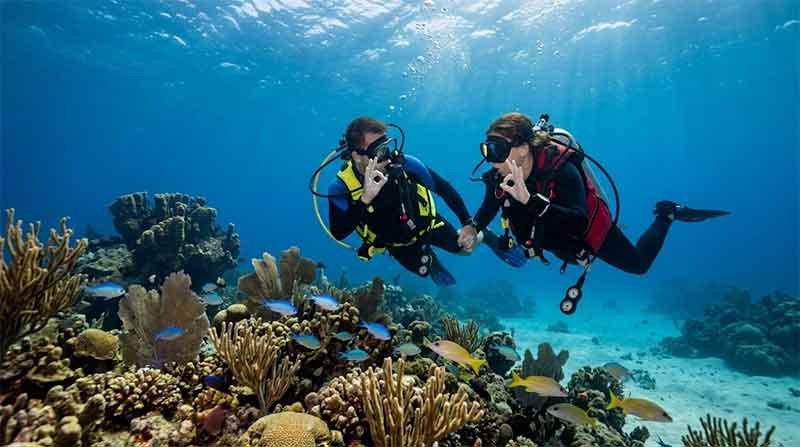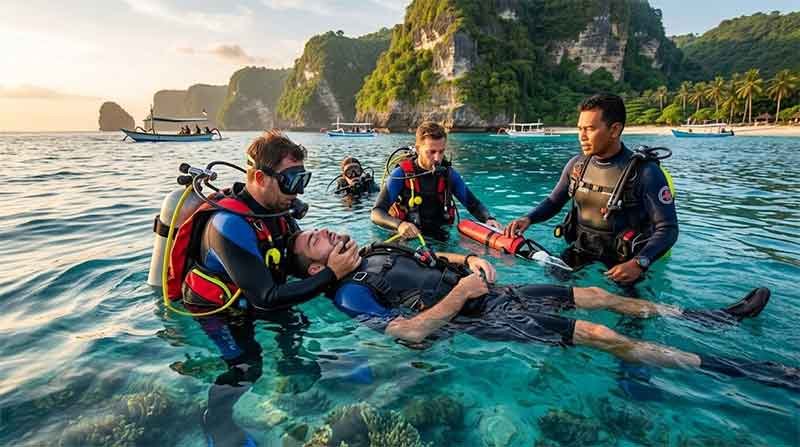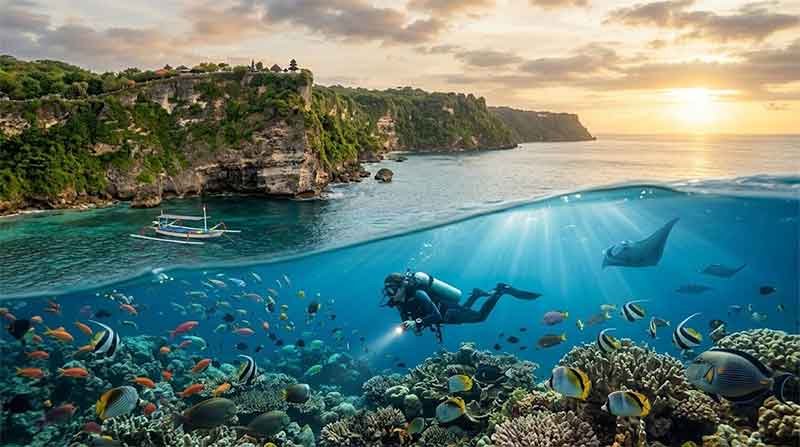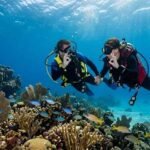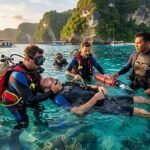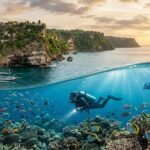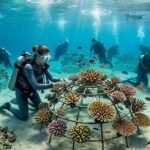
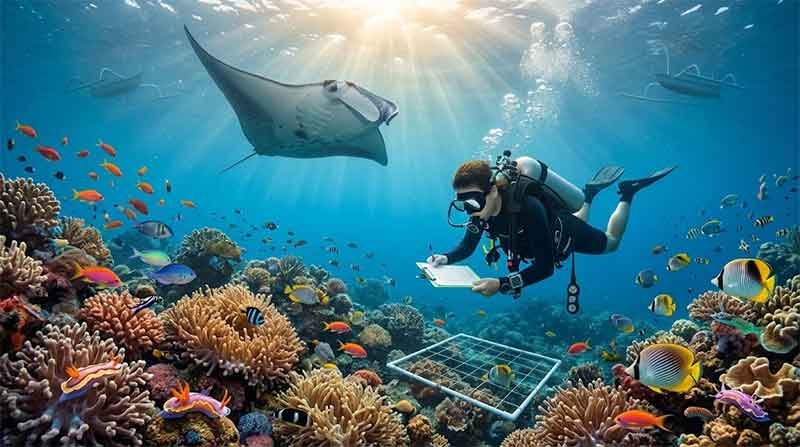
Bali Diving for Marine Biology Lovers is one of the most rewarding experiences for anyone fascinated by ocean ecosystems, coral reefs, and marine wildlife. Beyond its beautiful beaches and tropical scenery, Bali offers an underwater world filled with incredible biodiversity that attracts divers, researchers, photographers, and marine biology enthusiasts from around the globe. Whether you are a certified diver, a marine science student, or simply someone who enjoys observing life beneath the waves, Bali provides countless opportunities to discover healthy coral reefs, rare marine species, and fascinating underwater habitats.
The island sits within the Coral Triangle, often called the world's center of marine biodiversity. This unique location makes Bali one of the best destinations to study coral reef ecosystems, reef fish behavior, macro marine life, and pelagic species while enjoying unforgettable diving adventures.
Why Bali Is a Paradise for Marine Biology Enthusiasts
Bali's waters are home to thousands of marine species living in diverse underwater environments. Volcanic coastlines, coral gardens, steep walls, sandy slopes, mangrove ecosystems, and deep channels all create ideal habitats for different forms of marine life.
Marine biology lovers appreciate Bali because every dive site offers something different. One dive may reveal colorful nudibranchs hiding among corals, while another may feature giant manta rays gliding gracefully through cleaning stations.
The island's varying water temperatures also create habitats suitable for both tropical reef species and seasonal visitors like the famous ocean sunfish.
Bali's Position in the Coral Triangle
The Coral Triangle stretches across Indonesia, Malaysia, Papua New Guinea, the Philippines, Timor-Leste, and the Solomon Islands. This region contains the greatest concentration of marine biodiversity on Earth.
Because Bali lies within this remarkable ecosystem, divers can observe:
- More than 500 species of reef-building corals
- Hundreds of reef fish species
- Sea turtles
- Reef sharks
- Rays
- Moray eels
- Seahorses
- Frogfish
- Octopus
- Crustaceans
- Countless macro organisms
This extraordinary biodiversity makes every dive educational as well as exciting.
Best Diving Areas for Marine Biology Lovers
Tulamben
Tulamben is one of Bali's most famous dive destinations and an underwater paradise for marine life observation.
The volcanic seabed supports healthy coral growth while providing habitats for numerous reef species. The famous USAT Liberty Shipwreck has evolved into a thriving artificial reef covered with hard corals, soft corals, sea fans, and sponges.
Marine biology enthusiasts commonly encounter:
- Giant trevally
- Sweetlips
- Barracuda
- Parrotfish
- Garden eels
- Cleaner shrimp
- Leaf scorpionfish
- Nudibranchs
- Seahorses
The wreck itself demonstrates how artificial structures can become productive marine ecosystems over time.
Nusa Penida
Nusa Penida offers some of Bali's richest marine biodiversity and is well known for encounters with large pelagic species.
The island is especially famous for:
- Manta rays
- Ocean sunfish (Mola Mola)
- Giant trevally
- Reef sharks
- Eagle rays
- Healthy coral slopes
- Colorful reef fish
Cleaning stations where manta rays gather provide fascinating opportunities to observe symbiotic relationships between cleaner fish and larger marine animals.
Padang Bai
Padang Bai is highly regarded by underwater photographers and marine biology enthusiasts because of its incredible macro life.
Small marine creatures found here include:
- Blue-ring octopus
- Frogfish
- Ghost pipefish
- Seahorses
- Ribbon eels
- Harlequin shrimp
- Nudibranchs
- Decorator crabs
- Cuttlefish
The diversity found within a relatively small area makes every dive feel like a biological treasure hunt.
Menjangan Island
Located within West Bali National Park, Menjangan Island features calm waters, excellent visibility, and spectacular coral walls.
Marine life includes:
- Sea turtles
- Napoleon wrasse
- Butterflyfish
- Angelfish
- Bannerfish
- Reef sharks
- Large schools of fusiliers
The protected status of the marine park helps preserve healthy reef ecosystems, making it ideal for observing natural coral communities.
Coral Reef Ecosystems in Bali
Coral reefs are among the most complex ecosystems on Earth.
Healthy reefs support thousands of interconnected species that depend on one another for food, shelter, breeding, and protection.
While diving in Bali, you can observe:
- Hard coral colonies
- Soft corals
- Giant sea fans
- Reef sponges
- Sea anemones
- Feather stars
- Giant clams
- Reef algae
Watching these communities interact provides valuable insight into marine ecology.
Fascinating Marine Species Found Around Bali
One of Bali's greatest attractions is the remarkable variety of marine animals that inhabit its waters.
Common sightings include:
- Green sea turtles
- Hawksbill turtles
- Manta rays
- Ocean sunfish
- Bamboo sharks
- Blacktip reef sharks
- Giant moray eels
- Barracuda
- Napoleon wrasse
- Sweetlips
- Batfish
- Triggerfish
- Lionfish
- Stonefish
- Frogfish
- Seahorses
- Pipefish
- Octopus
- Squid
- Cuttlefish
Each species plays an important role within the reef ecosystem.
Macro Diving Opportunities
Macro diving focuses on finding small marine creatures that often go unnoticed.
Bali is internationally recognized for exceptional macro diving because many dive sites contain sandy bottoms mixed with coral patches that provide habitats for rare species.
Photographers and marine biology students often search for:
- Nudibranchs
- Tiny shrimp
- Juvenile fish
- Sea slugs
- Pygmy seahorses
- Mimic octopus
- Hairy frogfish
- Skeleton shrimp
Macro diving teaches patience and careful observation while revealing extraordinary marine diversity.
Seasonal Marine Life
Different seasons bring different underwater experiences.
July to October
These months often provide opportunities to encounter the famous Mola Mola around Nusa Penida due to cooler water temperatures.
Throughout the Year
Manta rays can often be seen throughout the year at cleaning stations around Nusa Penida, although sightings are never guaranteed.
Reef fish, turtles, and coral ecosystems remain active year-round.
Marine Conservation in Bali
Marine conservation has become increasingly important across Bali.
Numerous organizations, local communities, dive operators, and conservation groups work together to protect marine habitats through:
- Coral restoration
- Reef monitoring
- Beach cleanups
- Marine protected areas
- Sustainable tourism
- Environmental education
- Responsible diving practices
Visitors can support conservation simply by choosing environmentally responsible dive operators and respecting underwater ecosystems.
Responsible Diving Practices
Marine biology lovers understand that observation should never disturb marine life.
Responsible divers should:
- Maintain excellent buoyancy control.
- Never touch coral.
- Avoid chasing marine animals.
- Keep a respectful distance from wildlife.
- Never collect shells or marine organisms.
- Use reef-safe sunscreen whenever possible.
- Avoid feeding fish.
- Follow local conservation guidelines.
These simple actions help preserve Bali's underwater ecosystems for future generations.
Underwater Photography Tips
Photographing marine life requires patience rather than speed.
To capture better underwater images:
Focus on Animal Behavior
Instead of simply taking portraits, watch how animals interact with their environment.
Protect the Reef
Never damage coral or disturb marine creatures for a better photograph.
Practice Buoyancy
Stable buoyancy allows photographers to capture sharper images while minimizing environmental impact.
Who Will Enjoy Bali Diving the Most?
Bali is suitable for many types of marine enthusiasts, including:
- Marine biology students
- Ocean conservation volunteers
- Underwater photographers
- Scientific divers
- Certified recreational divers
- Nature lovers
- Wildlife enthusiasts
- Eco-tourists
- Families interested in marine education
Every dive offers opportunities to learn something new about ocean life.
Planning Your Marine Biology Diving Adventure
When planning your diving holiday, consider visiting several regions of Bali to experience different ecosystems. Combining Tulamben, Padang Bai, Menjangan Island, and Nusa Penida allows divers to explore shipwrecks, coral gardens, macro habitats, dramatic walls, and open-water environments within a single trip.
Choose a reputable dive center that emphasizes marine conservation, follows sustainable diving practices, and employs experienced local dive guides who understand seasonal marine life behavior. Their knowledge can greatly increase your chances of spotting rare species while ensuring a safe and environmentally responsible experience.
Conclusion
Bali Diving for Marine Biology Lovers offers far more than recreational scuba diving. It provides a unique opportunity to witness one of the richest marine ecosystems on Earth, where colorful coral reefs, rare macro creatures, majestic manta rays, sea turtles, reef sharks, and countless tropical fish thrive in diverse underwater habitats. Every dive becomes a chance to better understand the delicate balance of ocean life while appreciating the importance of marine conservation.
Whether your passion lies in coral ecology, underwater photography, marine wildlife, or simply discovering the hidden beauty beneath the sea, Bali stands among the world's premier diving destinations. Exploring its underwater landscapes is not only an unforgettable adventure but also an inspiring reminder of why protecting our oceans is more important than ever.