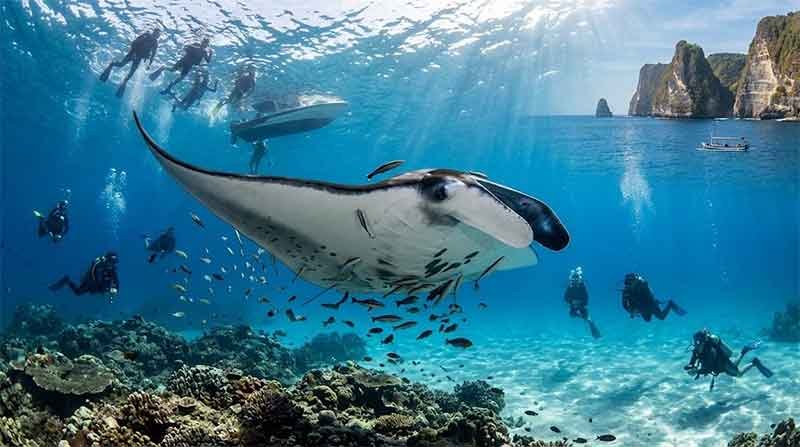
Where to See Manta Rays in Bali is one of the most searched topics among scuba divers and snorkelers planning a trip to the Island of the Gods. Bali is famous for its rich marine biodiversity, crystal-clear waters, and exciting underwater experiences. Among the most unforgettable encounters is swimming alongside majestic manta rays. These gentle giants can reach wingspans of more than five meters, yet they are harmless filter feeders that gracefully glide through the ocean.
Whether you are a certified diver, a beginner taking your first dive course, or simply a snorkeler looking for an incredible wildlife encounter, Bali offers several locations where manta rays can be seen throughout the year. Knowing the best dive sites, the ideal seasons, and proper diving etiquette will greatly improve your chances of enjoying this once-in-a-lifetime experience.
Why Bali Is Famous for Manta Rays
Bali sits within the Coral Triangle, one of the richest marine ecosystems on Earth. Nutrient-rich currents flowing through the Indonesian archipelago attract countless marine species, including manta rays.
Several factors make Bali an outstanding destination for manta encounters:
- Year-round diving opportunities
- Healthy coral reef ecosystems
- Protected marine conservation areas
- Multiple cleaning stations frequented by manta rays
- Easy access from Bali's major tourist destinations
Unlike many other destinations where manta sightings are seasonal, Bali offers opportunities to see these magnificent creatures throughout much of the year.
The Best Place to See Manta Rays in Bali
Manta Point, Nusa Penida
Manta Point is undoubtedly the most famous location for manta ray encounters in Bali.
Located on the southern coast of Nusa Penida, this dive site features deep ocean currents that bring nutrient-rich water, attracting manta rays almost daily.
Divers often witness multiple manta rays circling cleaning stations where small reef fish remove parasites from their bodies.
Highlights include:
- High probability of manta sightings
- Large cleaning stations
- Suitable for both diving and snorkeling when sea conditions allow
- Opportunity to observe natural manta behavior
Visibility can vary depending on ocean conditions, but the chance of seeing mantas remains excellent.
Manta Bay
Located near Manta Point, Manta Bay offers another excellent opportunity for snorkelers and divers.
Unlike the deeper waters of Manta Point, Manta Bay is generally shallower, making it more accessible for beginners.
Manta rays often cruise near the surface, allowing snorkelers to enjoy spectacular views without scuba equipment.
However, ocean conditions may change quickly, so tours always depend on weather and sea safety.
Nusa Penida Marine Protected Area
The waters surrounding Nusa Penida have become internationally recognized for marine conservation.
The protected area supports:
- Reef manta rays
- Ocean sunfish (Mola Mola)
- Sea turtles
- Reef sharks
- Vibrant coral reefs
- Thousands of tropical fish
Strict conservation efforts have helped maintain healthy manta populations, making the region one of Indonesia's premier dive destinations.
Best Time to See Manta Rays in Bali
One of the advantages of Bali is that manta rays can be seen nearly all year.
Peak Season
The highest chances generally occur between:
- April
- May
- June
- July
- August
- September
- October
During these months, ocean conditions are often calmer and visibility improves.
Rainy Season
Between November and March, manta rays are still frequently encountered.
Visibility may decrease due to rainfall, but sightings remain common because mantas visit cleaning stations throughout the year.
Why Manta Rays Visit Bali
Many visitors wonder why manta rays consistently appear around Nusa Penida.
Several environmental factors contribute:
Cleaning Stations
Cleaning stations are areas where small reef fish remove parasites and dead skin from manta rays.
Mantas return repeatedly because these natural "spa treatments" keep them healthy.
Divers often remain stationary while observing this fascinating behavior.
Rich Food Supply
Although manta rays appear enormous, they feed almost entirely on tiny plankton.
Strong currents bring abundant plankton to Bali's southern coastline, providing a constant food source.
Ideal Water Temperature
Water temperatures generally range between:
- 24°C to 29°C (75°F–84°F)
This comfortable range supports diverse marine life and attracts manta rays year-round.
Can Beginners See Manta Rays?
Absolutely.
Many visitors experience manta rays during:
- Discover Scuba Diving programs
- Open Water courses
- Guided snorkeling trips
Professional dive instructors carefully select suitable conditions for beginners.
If ocean currents become too strong, operators may adjust dive locations for safety.
What Is It Like Diving with Manta Rays?
Few underwater experiences compare to watching a giant manta ray glide effortlessly overhead.
Divers often describe the encounter as peaceful rather than exciting because manta rays move gracefully without threatening humans.
A typical dive may include:
- One to ten manta rays
- Long observation periods
- Cleaning station behavior
- Close but respectful encounters
- Excellent underwater photography opportunities
Each dive is unique, making every visit memorable.
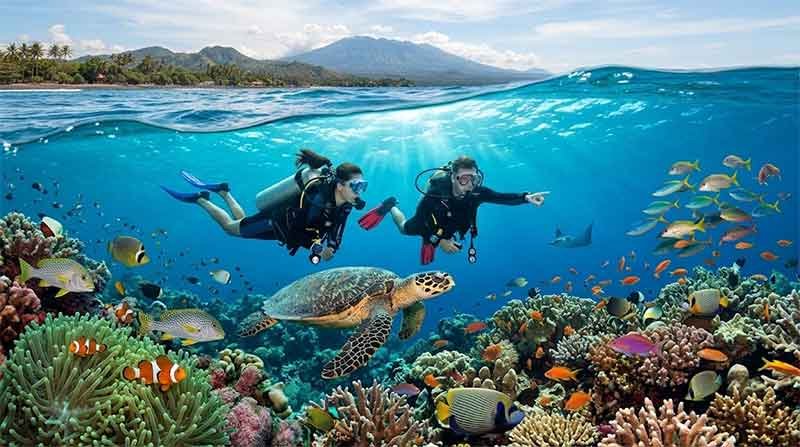
Other Marine Life You May Encounter
A manta ray dive often includes much more than mantas.
You may also see:
Sea Turtles
Green and hawksbill turtles frequently cruise around coral reefs.
Reef Sharks
White-tip reef sharks are commonly spotted resting on sandy bottoms.
Giant Trevally
These powerful predators often patrol reef edges.
Moray Eels
Several colorful species hide among coral formations.
Napoleon Wrasse
One of the largest reef fish in the Indo-Pacific.
Blue-Spotted Stingrays
Frequently found resting on sandy areas.
Colorful Reef Fish
Expect to encounter:
- Butterflyfish
- Angelfish
- Triggerfish
- Surgeonfish
- Sweetlips
- Fusiliers
- Clownfish
- Bannerfish
The incredible biodiversity makes every dive worthwhile, even without manta sightings.
Snorkeling with Manta Rays
Not everyone needs scuba certification to enjoy manta rays.
Many operators offer snorkeling tours where participants float at the surface while manta rays swim below.
Advantages include:
- No certification required
- Suitable for families
- Less expensive than diving
- Excellent wildlife viewing
- Great photo opportunities
However, participants should be comfortable swimming in open water.
Responsible Manta Ray Tourism
Protecting manta rays ensures future generations can enjoy these incredible animals.
Follow these guidelines:
- Never touch manta rays.
- Stay several meters away.
- Avoid blocking their path.
- Do not chase them.
- Keep movements calm.
- Listen to your dive guide.
- Never feed marine animals.
Responsible tourism helps reduce stress on wildlife and supports conservation.
Photography Tips
Capturing stunning manta ray images requires patience.
For the best results:
- Use a wide-angle lens.
- Shoot upward when possible.
- Stay low and let mantas approach naturally.
- Avoid excessive flash.
- Maintain buoyancy to protect coral reefs.
Sometimes simply enjoying the moment without a camera creates the most lasting memories.
How to Prepare for Your Dive
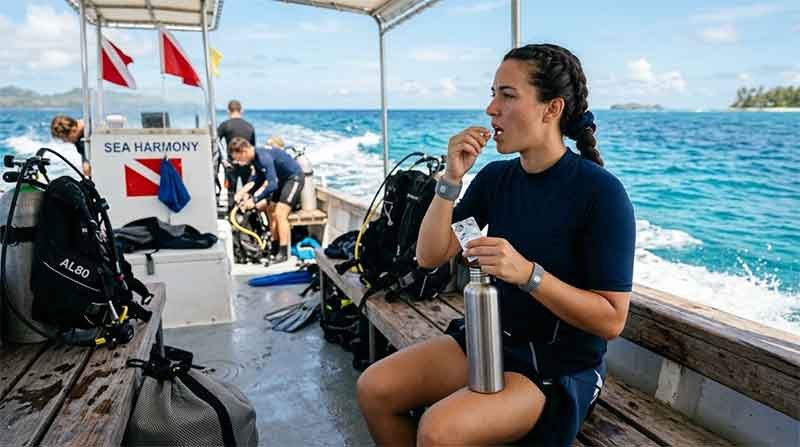
Before heading to Manta Point, make sure you:
- Check your equipment thoroughly.
- Bring reef-safe sunscreen.
- Stay hydrated.
- Eat a light meal beforehand.
- Take motion sickness medication if needed.
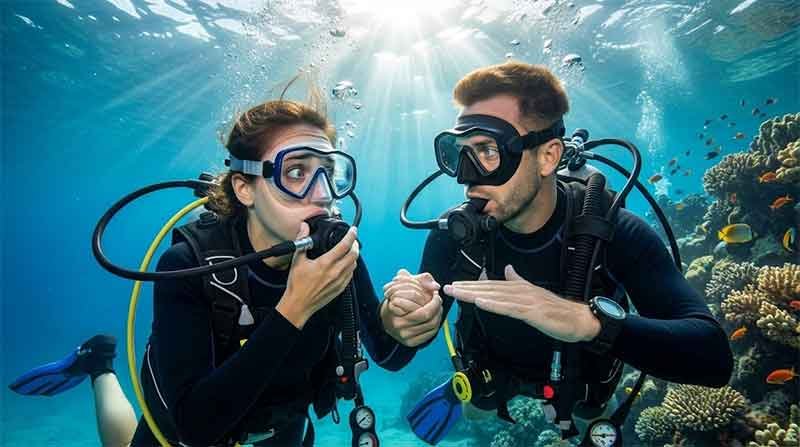
- Listen carefully during the dive briefing.
- Respect local marine life regulations.
Preparation leads to a safer and more enjoyable experience.
Safety Considerations
The waters around Nusa Penida can experience strong currents.
Choose an experienced dive center that:
- Employs certified dive professionals
- Provides quality equipment
- Monitors weather conditions
- Follows international safety standards
- Limits diver numbers
- Prioritizes marine conservation
Safety should always come before wildlife encounters.
Conservation Efforts
Manta rays face several threats worldwide, including:
- Plastic pollution
- Ghost fishing nets
- Illegal fishing
- Climate change
- Habitat degradation
Marine protected areas around Bali help safeguard these magnificent animals through sustainable tourism, scientific research, and environmental education.
Visitors who follow responsible diving practices contribute directly to these conservation efforts.
Frequently Asked Questions
Are manta rays dangerous?
No. Manta rays are gentle filter feeders that pose no threat to humans.
Can I see manta rays all year?
Yes. Bali offers year-round opportunities, although weather and visibility vary by season.
Do I need scuba certification?
No. Many manta encounters are available through snorkeling trips or beginner diving programs.
How big are Bali's manta rays?
Most reef manta rays have wingspans between 3 and 5 meters, although larger individuals are occasionally seen.
How long do manta ray dives last?
Most dive trips last approximately 45 to 60 minutes underwater, depending on air consumption and conditions.
Conclusion
Where to See Manta Rays in Bali is a question with an exciting answer: the waters around Nusa Penida, especially Manta Point and Manta Bay, offer some of the world's best opportunities to encounter these magnificent creatures. Combined with vibrant coral reefs, tropical fish, sea turtles, reef sharks, and exceptional underwater scenery, Bali delivers an unforgettable marine adventure for divers and snorkelers alike.
Whether you are visiting Bali for a holiday, earning your scuba certification, or simply seeking an extraordinary wildlife experience, seeing manta rays should be at the top of your itinerary. By choosing responsible dive operators and respecting marine life, you can enjoy an incredible encounter while helping protect these gentle giants and the beautiful ocean they call home.
Related Posts: