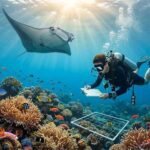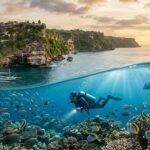
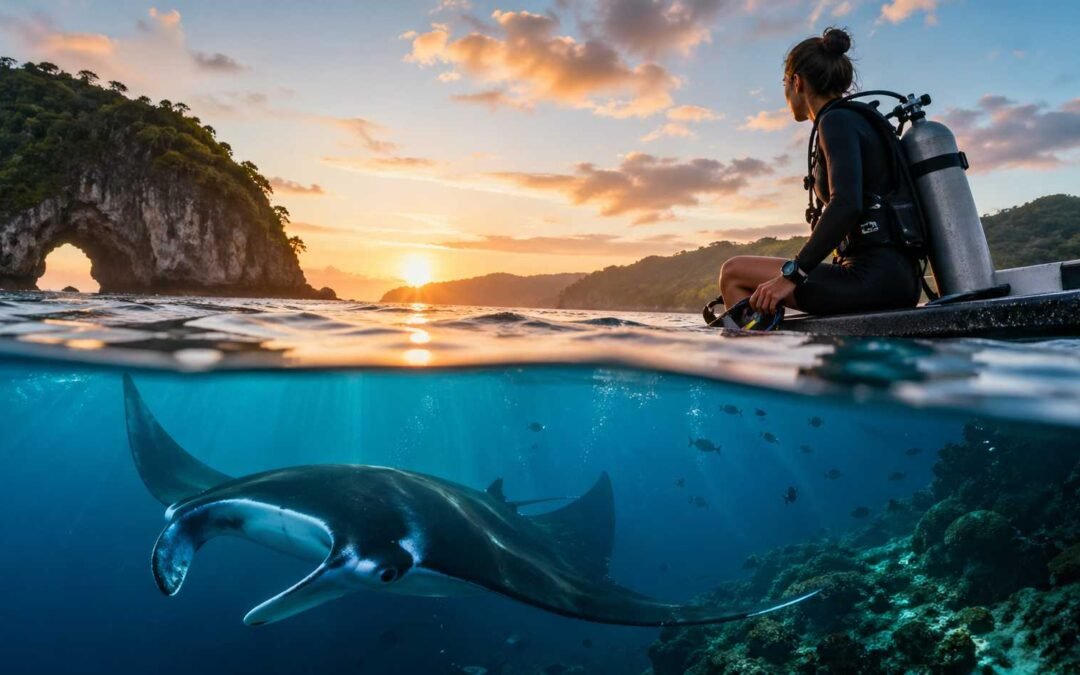
Manta Rays In Nusa Penida. Few underwater encounters compare to the graceful glide of manta rays. These gentle giants, with wingspans that can reach up to seven meters, are one of the biggest reasons divers and snorkelers travel to Nusa Penida. The island, located just southeast of Bali, is famous for its nutrient-rich waters and thriving marine ecosystem, making it one of the most reliable places in the world to see manta rays in the wild.
If you’re planning a trip and hoping to experience this unforgettable moment, timing can make all the difference. Understanding seasons, ocean conditions, and manta behavior will help you choose the best period for your visit.
Why Nusa Penida Is Famous for Manta Rays
Nusa Penida sits along a major ocean current that brings plankton-rich water through the area. Since manta rays feed primarily on plankton, they gather here year-round. The island is home to cleaning stations—special spots where small fish remove parasites from mantas—so sightings are not only frequent but often long and close.
Two of the most well-known sites are Manta Point and Manta Bay. Both locations offer excellent chances to see multiple mantas circling, feeding, and interacting with each other.
Best Months to See Manta Rays
One of the best things about manta ray encounters in Nusa Penida is that they are possible all year. However, certain months provide calmer seas and more comfortable conditions, which can make your experience even better.
April to November — The Dry Season Advantage
This period is generally considered the best overall time to visit. Seas are calmer, visibility is usually clearer, and boat rides are more comfortable. While manta sightings remain consistent, the smoother conditions make it easier for both divers and snorkelers to enjoy longer sessions in the water.
December to March — Still Great, But More Variable
During the rainy season, manta rays are still present, but ocean conditions can be less predictable. You may encounter stronger swells and reduced visibility. That said, many divers still have fantastic encounters during these months, especially on days when the weather clears.
Read more: Why Padang Bai Is One of Bali’s Most Underrated Dive Spots
What Time of Day Is Best?
Manta rays can appear throughout the day, but morning trips often offer the most stable conditions. Winds tend to be lighter early in the day, resulting in calmer surface water and better visibility. Many dive operators schedule manta trips in the morning for this reason.
Read more: Padang Bai Diving for Macro Photography Lovers
What You’ll See During a Manta Encounter
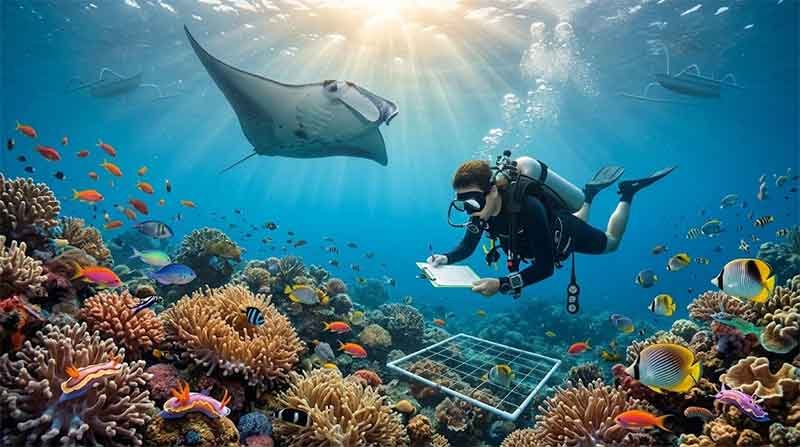
Seeing manta rays in Nusa Penida is rarely just a quick glimpse. At cleaning stations, you may watch mantas hover almost motionless while cleaner fish work on them. At feeding sites, they glide effortlessly through plankton clouds, sometimes looping and barrel-rolling as they feed.
It’s also common to see multiple individuals at once. Some days bring just one or two, while others can surprise you with a dozen or more circling the reef.
Read more: Padang Bai vs Nusa Penida for Beginners
Tips to Maximize Your Chances
1. Choose the Right Site
If conditions allow, Manta Point usually offers the highest probability of sightings because mantas visit the cleaning stations regularly.
2. Be Flexible With Your Schedule
Ocean conditions change quickly. If you can keep your plans flexible, you’ll have a better chance of choosing a day with calm seas.
3. Go With Experienced Guides
Local dive and snorkel guides know the currents and manta behavior well. Their experience significantly increases your chances of a safe and memorable encounter.
4. Respect the Wildlife
Keep a respectful distance, avoid touching, and move slowly. Calm behavior helps ensure mantas feel comfortable enough to stay close.
Read more: Why Tulamben Should Be on Every Divers Bali Itinerary
Diving vs. Snorkeling: Which Is Better?
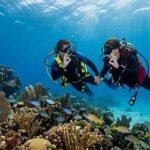
Both options can be incredible. Snorkeling often provides a top-down view as mantas glide near the surface, which can feel surreal. Diving, on the other hand, lets you observe them at eye level or even from below, offering a dramatic perspective of their size and movement.
If you’re not a certified diver, don’t worry—Nusa Penida is one of the few places where snorkelers regularly enjoy just as many manta sightings as divers.
Read more: Padang Bai Diving Safety Tips
Final Thoughts
Manta rays are one of the ocean’s most captivating creatures, and Nusa Penida remains one of the most reliable places on Earth to meet them. While you can see mantas throughout the year, visiting during the dry season from April to November usually provides the best overall experience thanks to calmer seas and clearer water.
No matter when you go, encountering a manta ray in the wild is something you’ll remember forever—the slow, effortless movement, the curiosity, and the sheer presence of these gentle giants create a moment that stays with you long after you leave the water.