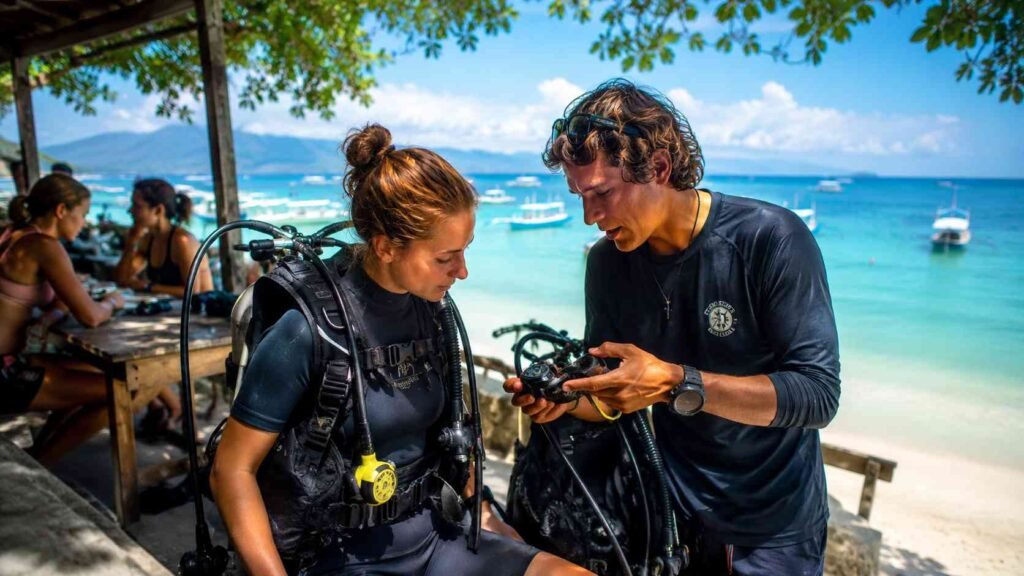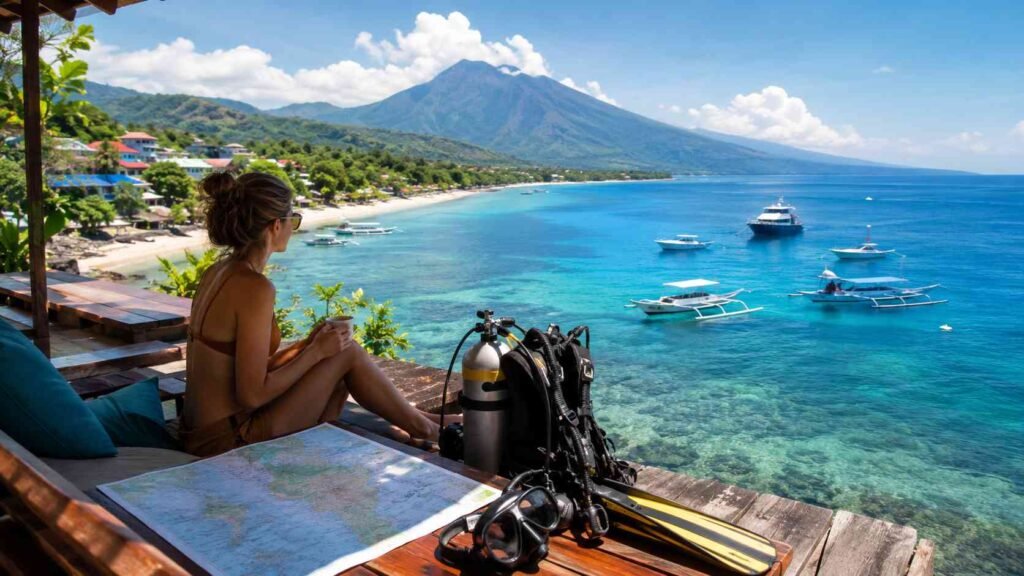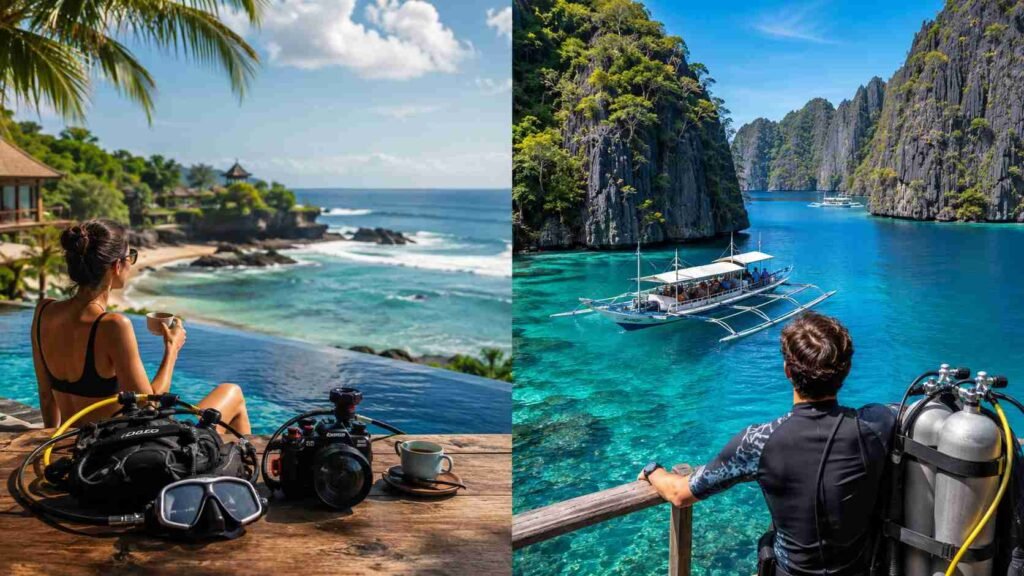
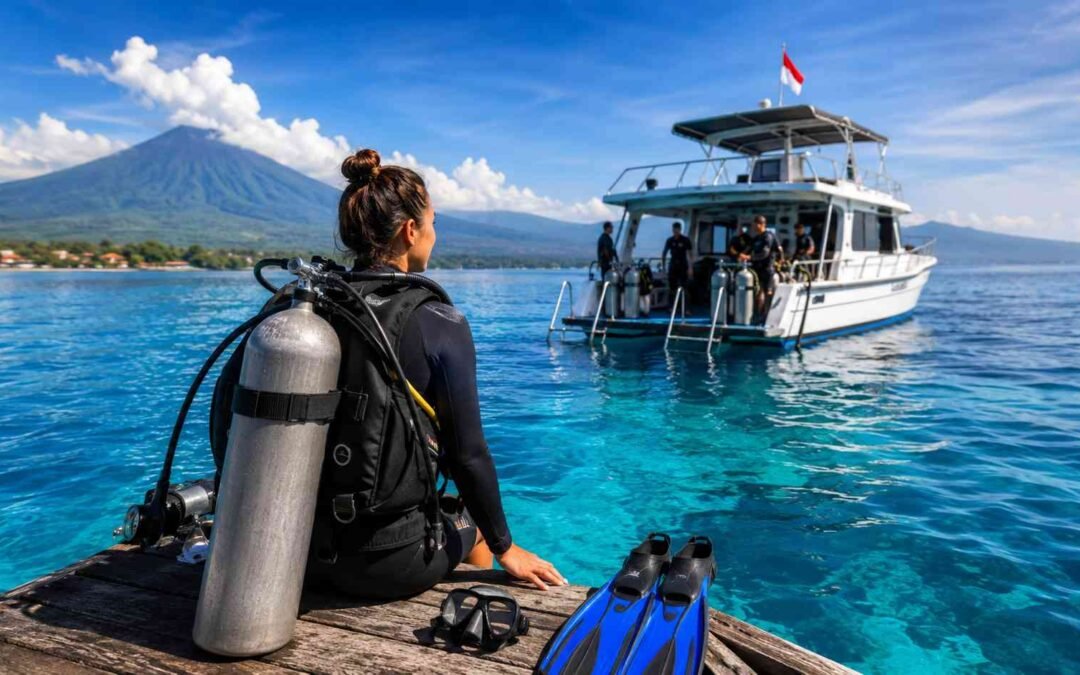
Is Bali a Good Place for Advanced Diving? The answer is a resounding yes. Bali has earned a worldwide reputation as one of the best scuba diving destinations, not only for beginners but also for experienced and advanced divers seeking thrilling underwater adventures. From fast-moving drift dives and deep walls to encounters with giant pelagic species, Bali offers challenging dive sites that reward divers with unforgettable experiences.
Advanced divers often look for more than colorful coral reefs. They seek stronger currents, deeper dive profiles, unique marine ecosystems, technical challenges, and rare marine life. Bali delivers all of these in one destination while providing professional dive centers, modern equipment, and year-round diving opportunities.
Whether you are an Advanced Open Water Diver or have hundreds of logged dives, Bali offers a wide variety of sites that will push your skills while rewarding you with breathtaking underwater scenery.
Why Bali Is Perfect for Advanced Divers
Unlike many tropical destinations that mainly cater to beginners, Bali features an incredible range of dive environments suitable for higher certification levels.
Advanced divers can enjoy:
- Strong drift dives
- Deep coral walls
- Underwater pinnacles
- Steep drop-offs
- Shipwreck exploration
- Macro diving
- Encounters with large pelagic fish
- Seasonal manta rays
- Oceanic sunfish (Mola Mola)
- Excellent underwater photography opportunities
This variety means no two dives feel the same, making Bali an exciting destination even for repeat visitors.
Strong Currents Create Exciting Drift Diving
One of the biggest reasons advanced divers love Bali is its famous drift diving.
Several dive sites experience moderate to strong currents created by the Indonesian Throughflow, where massive volumes of water move between the Pacific and Indian Oceans.
These currents bring:
- Nutrient-rich water
- Exceptional biodiversity
- Healthy coral reefs
- Schools of fish
- Large marine animals
For skilled divers, drifting effortlessly over vibrant reefs while watching sharks, turtles, rays, and giant trevallies is an unforgettable experience.
Proper buoyancy control and current-diving experience are highly recommended.
Nusa Penida Offers World-Class Advanced Diving
One of Bali's most famous dive destinations is Nusa Penida.
This island is internationally recognized for its challenging conditions and spectacular marine life.
Popular dive sites include:
Crystal Bay
Crystal Bay is famous for seasonal Mola Mola sightings, especially during the cooler months.
Advanced divers descend into deeper water where these giant ocean sunfish rise from the depths for cleaning by reef fish.
Visibility can exceed 30 meters, creating spectacular underwater views.
Blue Corner
Blue Corner is considered one of Bali's most advanced dive sites.
Divers may encounter:
- Strong currents
- Down currents
- Up currents
- Large schools of fish
- Reef sharks
- Eagle rays
- Tuna
- Giant trevallies
Experienced dive guides carefully monitor conditions before entering the water.
Toyapakeh
Toyapakeh combines colorful reefs with exciting drift diving.
The site features:
- Healthy hard corals
- Soft coral gardens
- Sea turtles
- Napoleon wrasse
- Barracuda
- Reef sharks
Currents vary daily, making every dive unique.
Manta Point Provides Incredible Ray Encounters
One of Bali's biggest highlights is diving with giant manta rays.
Unlike many destinations where sightings are unpredictable, manta rays can often be seen throughout much of the year at Manta Point.
Divers frequently observe:
- Feeding mantas
- Cleaning stations
- Multiple rays swimming together
- Graceful underwater acrobatics
Although the site is not technically the deepest, surge and changing ocean conditions make experience valuable.
The USAT Liberty Wreck Offers Advanced Exploration
The famous USAT Liberty Wreck in Tulamben is suitable for many certification levels, but advanced divers gain access to deeper sections.
Highlights include:
- Penetration opportunities
- Coral-covered structures
- Schools of jackfish
- Barracuda
- Bumphead parrotfish
- Macro marine life
Night dives here provide an entirely different experience, revealing octopus, hunting lionfish, shrimp, crabs, and sleeping reef fish.
Deep Wall Diving Around Bali
Advanced divers appreciate Bali's dramatic underwater topography.
Many sites feature walls that disappear into the deep blue.
Wall diving allows exploration of:
- Sea fans
- Black corals
- Whip corals
- Soft coral forests
- Large sponge formations
- Reef sharks cruising below
Excellent buoyancy control becomes essential during these dives.
Amed Offers Hidden Gems for Experienced Divers
Although Amed welcomes beginners, experienced divers can discover deeper reefs and less-visited dive sites.
Advanced divers enjoy:
- Volcanic underwater landscapes
- Macro photography
- Deep reef exploration
- Coral slopes
- Small wrecks
- Excellent visibility
The calm surface conditions often make long exploration dives enjoyable.
Bali's Marine Biodiversity Is Extraordinary
One reason experienced divers return repeatedly is Bali's incredible diversity of marine life.
Common sightings include:
- Green sea turtles
- Hawksbill turtles
- Reef sharks
- White-tip reef sharks
- Black-tip reef sharks
- Manta rays
- Mola Mola
- Barracuda
- Giant trevallies
- Napoleon wrasse
- Moray eels
- Leaf scorpionfish
- Frogfish
- Ghost pipefish
- Pygmy seahorses
- Nudibranchs
- Octopus
- Cuttlefish
Every dive offers something different.
Excellent Underwater Photography Opportunities
Advanced photographers appreciate Bali because of its diversity.
Wide-angle photography subjects include:
- Shipwrecks
- Manta rays
- Mola Mola
- Coral reefs
- Large schools of fish
Macro photographers can capture:
- Nudibranchs
- Shrimp
- Seahorses
- Frogfish
- Tiny crabs
- Colorful blennies
The variety makes Bali one of Asia's best underwater photography destinations.
Read more: Bali Diving Travel Tips for First-Time Visitors
Safety Considerations for Advanced Diving
Advanced dive sites require proper preparation.
Before entering the water:
Dive With Experienced Guides
Professional local guides understand:
- Current patterns
- Entry points
- Exit locations
- Seasonal conditions
- Marine behavior
Their local knowledge significantly improves both safety and marine life encounters.
Monitor Ocean Conditions
Conditions change daily.
Factors include:
- Tides
- Wind
- Swell
- Current strength
- Visibility
Dive operators choose sites based on these conditions.
Maintain Excellent Buoyancy
Good buoyancy helps divers:
- Reduce air consumption
- Protect coral reefs
- Handle currents efficiently
- Improve underwater photography
- Increase overall safety
Read more: Do You Need Insurance for Diving in Bali?
Best Time for Advanced Diving in Bali
Bali offers year-round diving.
However, conditions vary depending on the season.
April to November
This period generally offers:
- Excellent visibility
- Calm seas
- Cooler water around Nusa Penida
- Best chance of seeing Mola Mola during late season
December to March
Divers often enjoy:
- Warmer water
- Healthy coral reefs
- Excellent macro life
- Regular manta ray encounters
- Fewer crowds at some dive sites
Every season has unique highlights.
Read more: Bali Diving Travel Checklist
Certification Recommended
Many of Bali's best dive sites are ideal for:
- Advanced Open Water Divers
- Rescue Divers
- Divemasters
- Technical divers (at selected locations)
Some sites may require a minimum number of logged dives due to currents.
Read more: How to Plan a Dive Trip to Bali
Why Advanced Divers Keep Returning to Bali
Few destinations combine such a wide range of diving experiences within short travel distances.
In a single diving holiday, experienced divers can enjoy:
- Historic shipwrecks
- Drift dives
- Deep reefs
- Giant manta rays
- Rare Mola Mola
- Healthy coral gardens
- Macro photography
- Wall dives
- Volcanic underwater landscapes
- Thrilling currents
This incredible diversity ensures every trip feels fresh and exciting.
Read more: Bali Diving Bucket List Experiences
Conclusion
Is Bali a Good Place for Advanced Diving? Absolutely. Bali is one of the finest advanced diving destinations in the world, offering challenging dive sites, exceptional biodiversity, dramatic underwater landscapes, and opportunities to encounter iconic marine species. Whether you're drifting through the currents of Nusa Penida, exploring the famous USAT Liberty Wreck, searching for elusive Mola Mola, or photographing colorful macro life in Amed, Bali provides endless adventures for experienced divers.
For advanced scuba divers looking to combine excitement, natural beauty, and world-class marine life, Bali remains a destination that deserves a place at the top of every diving bucket list.