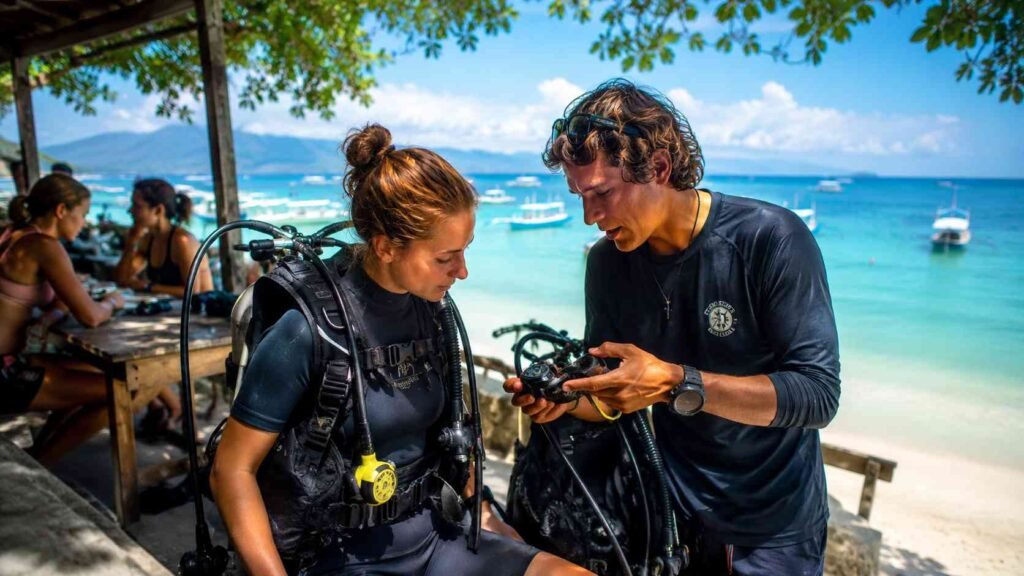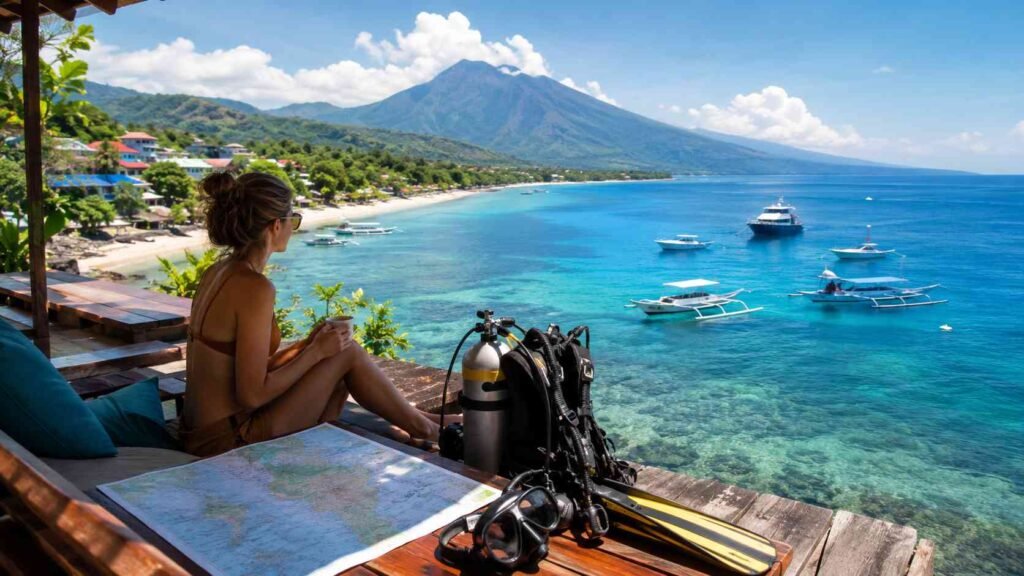

Bali Diving Travel Checklist is the ultimate guide to help every diver prepare for an unforgettable underwater adventure in Bali. Whether you are planning your very first Discover Scuba Diving experience or you're an experienced diver exploring famous dive sites like Tulamben, Nusa Penida, Amed, or Padang Bai, having a complete checklist ensures your trip is safe, comfortable, and stress-free. From travel documents to diving equipment and health preparations, this Bali Diving Travel Checklist covers everything you need before boarding your flight.
Why You Need a Bali Diving Travel Checklist
Bali is one of the world's most popular diving destinations thanks to its warm tropical waters, diverse marine life, colorful coral reefs, and legendary wreck dives. While many dive centers provide rental equipment, arriving prepared allows you to enjoy your dives without unnecessary stress.
A well-planned checklist helps you:
- Avoid forgetting essential travel documents.
- Pack efficiently.
- Save money on last-minute purchases.
- Stay comfortable during your diving holiday.
- Focus on enjoying Bali's incredible underwater world.
Whether you're diving for one day or spending two weeks exploring multiple dive sites, preparation makes all the difference.
Essential Travel Documents
Before packing anything else, make sure your important documents are ready.
Passport
Your passport should have sufficient validity according to your country's travel requirements.
Flight Tickets
Keep both printed and digital copies of your flight confirmations.
Hotel Reservations
Save your accommodation details on your phone and keep a backup copy.
Diving Certification Card
Certified divers should bring:
- Open Water certification
- Advanced certification
- Rescue Diver certification (if applicable)
- Nitrox certification (if applicable)
Many dive centers accept digital certification cards, but carrying a physical card is still recommended.
Dive Insurance
Although not mandatory everywhere, dive insurance provides valuable protection for unexpected situations involving scuba diving.
Travel Insurance
A comprehensive travel insurance policy should cover:
- Medical emergencies
- Trip cancellation
- Lost luggage
- Flight delays
- Emergency evacuation
Clothing to Pack
Bali has a tropical climate with warm temperatures throughout the year.
Recommended clothing includes:
- T-shirts
- Shorts
- Swimwear
- Rash guards
- Light trousers
- Sandals
- Comfortable walking shoes
- Lightweight rain jacket
- Hat or cap
- Sunglasses
Choose lightweight fabrics that dry quickly.
Essential Dive Equipment
Most Bali dive operators offer complete rental equipment, but many divers prefer bringing personal gear.
Recommended personal dive equipment includes:
- Mask
- Snorkel
- Dive computer
- Dive watch
- Fins
- Boots
- Exposure suit
- Dive gloves (where permitted)
- Surface marker buoy (SMB)
- Dive torch
- Compass
If traveling with your own BCD and regulator, have them serviced before your trip.
Dive Accessories Worth Bringing
Small accessories can greatly improve your diving experience.
Consider packing:
- Reef-safe sunscreen
- Dry bag
- Waterproof phone pouch
- Waterproof notebook
- Logbook
- Spare mask strap
- Fin straps
- O-rings
- Mask defog solution
- Anti-fog wipes
- Carabiners
- Quick-dry towel
These items take little luggage space but prove extremely useful.
Electronics
Modern travelers rely heavily on electronics.
Pack:
- Smartphone
- Camera
- GoPro
- Underwater housing
- Battery charger
- Spare batteries
- Memory cards
- Power bank
- Universal travel adapter
- Charging cables
Indonesia uses Type C and Type F electrical plugs with 230V power.
Health and Medical Items
Staying healthy ensures you can enjoy every dive.
Pack:
- Prescription medications
- Motion sickness tablets
- Pain relievers
- Antihistamines
- Bandages
- Antiseptic cream
- Electrolyte powder
- Insect repellent
- Hand sanitizer
- Lip balm
- Aloe vera gel
Hydration is especially important when diving multiple days.
Money and Payments
Although many businesses accept credit cards, carrying cash is still helpful.
Bring:
- Indonesian Rupiah
- Credit card
- Debit card
- Emergency cash
- Small bills for tips
ATMs are widely available in Bali's tourist areas.
Dive Log Preparation
Before your trip, review your:
- Number of logged dives
- Last dive date
- Certification level
- Equipment service dates
If you haven't dived in over a year, consider taking a refresher course before joining more challenging dives.
Photography Equipment Checklist
If underwater photography is part of your adventure, pack carefully.
Bring:
- Underwater camera
- Waterproof housing
- Extra batteries
- Chargers
- Spare memory cards
- Lens cleaning cloth
- Silicone grease for O-rings
Never forget to inspect housing seals before entering the water.
Packing for Different Dive Locations in Bali
Different regions offer unique diving conditions.
Tulamben
Ideal for:
- Wreck diving
- Macro photography
- Shore diving
Recommended:
- Dive boots
- Camera
- Macro lens
Nusa Penida
Known for:
- Manta rays
- Mola Mola season
- Strong currents
Recommended:
- SMB
- Reef hook (where permitted)
- Warm exposure suit
Amed
Perfect for:
- Relaxed diving
- Reef dives
- Night dives
Bring:
- Dive torch
- Macro camera setup
Padang Bai
Excellent for:
- Drift dives
- Reef diving
- Blue Lagoon
Carry:
- Dive computer
- Surface marker buoy
Read more: When Is High Season for Diving in Bali?
Eco-Friendly Diving Essentials
Protecting Bali's marine ecosystem should be every diver's priority.
Pack environmentally friendly products including:
- Reef-safe sunscreen
- Reusable water bottle
- Reusable shopping bag
- Stainless steel straw
- Eco-friendly toiletries
Avoid single-use plastics whenever possible.
Read more: When Is Low Season for Diving in Bali?
Before Leaving Home
Complete these final checks:
- Confirm dive reservations.
- Verify hotel bookings.
- Check airline baggage allowance.
- Download offline maps.
- Charge all electronics.
- Notify your bank of international travel.
- Scan important documents.
- Share your itinerary with family or friends.
A few minutes of preparation can prevent unnecessary travel issues.
Read more: Bali Diving Weather Guide
Diving Safety Reminders
Remember these important safety practices:
- Never dive beyond your certification level.
- Stay hydrated.
- Avoid alcohol before diving.
- Listen carefully during dive briefings.
- Monitor your air supply regularly.
- Ascend slowly.
- Perform safety stops.
- Respect marine life.
- Never touch coral.
- Follow your dive guide's instructions.
Safe diving allows everyone to enjoy Bali's underwater beauty responsibly.
Read more: Bali Diving Travel Tips for First-Time Visitors
Common Items Divers Often Forget
Even experienced divers occasionally overlook small but important items.
Frequently forgotten items include:
- Certification cards
- Dive logbook
- Chargers
- Power adapters
- Spare batteries
- Reef-safe sunscreen
- Dry bag
- Mask defog
- Motion sickness tablets
- Swimwear
- Sunglasses
- Hat
- Reusable water bottle
Double-check your luggage before heading to the airport.
Read more: Do You Need Insurance for Diving in Bali?
Final Thoughts
A successful diving holiday begins long before entering the water. This Bali Diving Travel Checklist helps ensure that every aspect of your journey is well organized, from travel documents and dive gear to health supplies and eco-friendly essentials. Proper planning allows you to focus on what truly matters—discovering Bali's spectacular coral reefs, fascinating shipwrecks, majestic manta rays, colorful reef fish, and unforgettable underwater landscapes. Whether you're visiting Bali for a weekend dive trip or an extended diving vacation, arriving fully prepared will make your experience safer, more enjoyable, and truly memorable.