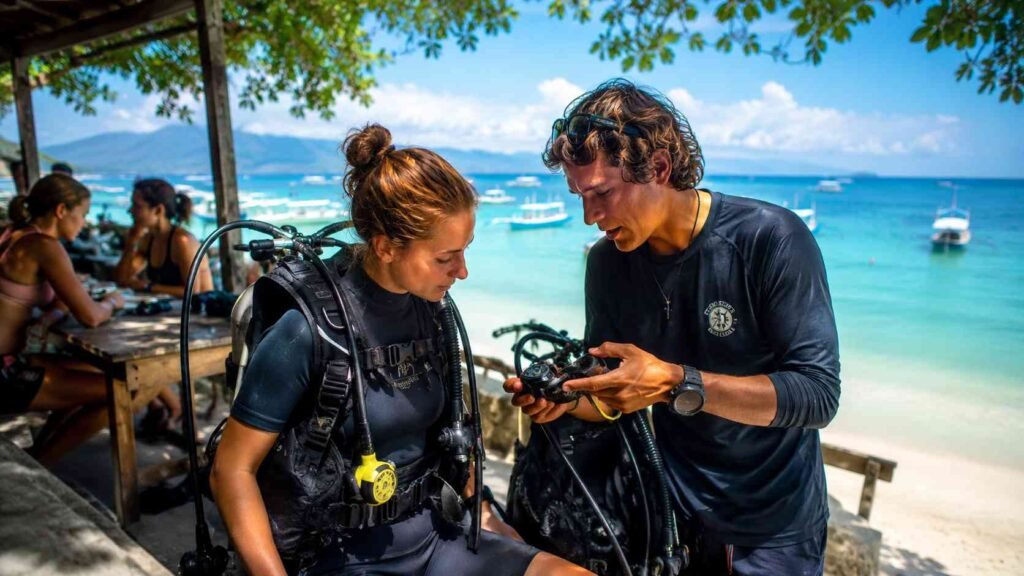
Do You Need Insurance for Diving in Bali? This is one of the most important questions every diver should ask before planning a trip to Indonesia’s most famous diving destination. Bali offers world-class underwater experiences, from vibrant coral reefs to encounters with manta rays and turtles, but diving also comes with inherent risks. Having the right insurance can make a significant difference in safety, financial protection, and peace of mind while exploring Bali’s underwater world.
Why Diving Insurance Matters in Bali
Diving is an adventure sport, and like any water-based activity, it carries certain risks such as decompression sickness, equipment failure, or unexpected underwater incidents. In Bali, dive sites like Nusa Penida, Tulamben, and Amed are generally safe when guided by professionals, but emergencies can still happen.
Medical treatment for diving-related injuries can be expensive, especially if evacuation to a specialized decompression chamber is required. Diving insurance helps cover these costs, ensuring you are not financially burdened during a stressful situation.
Many standard travel insurance policies do not automatically cover scuba diving, especially at deeper depths or advanced diving activities. That is why specialized dive insurance is often recommended.
Is Diving Insurance Required in Bali?
Technically, diving insurance is not legally required to dive in Bali. However, most reputable dive centers strongly require or highly recommend it before you join any dive trip or certification course.
Some dive operators may even ask you to show proof of coverage before allowing you to dive, especially for deeper dives, technical diving, or trips to offshore sites like Nusa Penida where currents can be strong.
While it may not be mandatory by law, in practice it is considered essential by the diving community in Bali.
What Diving Insurance Usually Covers
Understanding what your diving insurance includes is important before you choose a plan. Most dive insurance policies cover:
Medical Treatment and Emergency Care
Coverage for injuries or illnesses related to diving accidents, including hospital stays, medications, and specialist treatment.
Hyperbaric Chamber Treatment
If you experience decompression sickness, treatment in a hyperbaric (decompression) chamber can be very expensive without insurance.
Emergency Evacuation
If you are diving in remote areas or offshore islands, insurance may cover emergency boat or air evacuation to the nearest medical facility.
Diving Equipment Damage or Loss
Some policies also include coverage for damaged or lost diving gear, either rented or personal equipment.
Trip Cancellation or Interruption
In certain cases, insurance may reimburse you if your dive trip is canceled due to weather conditions or medical emergencies.
Read more: Bali Diving Packages Explained
Types of Insurance You Can Use for Diving in Bali
There are generally two main options for dive insurance:
Travel Insurance with Diving Coverage
Some travel insurance providers include scuba diving as part of their standard coverage, but usually with depth limits (for example, up to 30 meters) and restrictions on technical diving or cave diving.
Specialized Dive Insurance
Dedicated dive insurance providers offer more comprehensive coverage tailored specifically for divers. These plans often include higher depth limits, more emergency support, and broader protection for diving-related incidents.
For frequent divers or professionals, specialized insurance is usually the better option.
Read more: When Is High Season for Diving in Bali?
Common Risks When Diving in Bali
While Bali is considered a safe and beginner-friendly diving destination, divers should still be aware of potential risks such as:
Strong Currents
Sites like Nusa Penida can have unpredictable and strong currents that require experience and proper guidance.
Marine Life Encounters
Although rare, some marine life encounters may cause injury if not handled carefully.
Equipment Issues
Regulator failure or buoyancy control problems can happen, especially with unfamiliar rental equipment.
Decompression Sickness
Rapid ascent or incorrect diving procedures can lead to decompression sickness, which requires immediate medical attention.
Read more: When Is Low Season for Diving in Bali?
How to Choose the Right Dive Insurance
When selecting insurance for diving in Bali, consider the following factors:
Depth Coverage
Ensure the policy covers the depth you plan to dive, especially if you are doing advanced dives beyond 30 meters.
Emergency Evacuation Limits
Check if the insurance includes helicopter or boat evacuation from remote dive sites.
Activity Coverage
Make sure scuba diving is explicitly included and not considered an excluded “extreme sport.”
Reputation of Provider
Choose well-known dive insurance providers with strong support networks in Southeast Asia.
Read more: Bali Diving Weather Guide
Do Beginners Need Diving Insurance in Bali?
Yes, even beginners should have diving insurance. While introductory dives and Open Water courses are conducted under strict supervision, accidents can still occur. In fact, beginners may benefit the most from insurance because they are still learning buoyancy control, breathing techniques, and underwater awareness.
Most dive centers in Bali prioritize safety, but insurance adds an extra layer of protection for both students and instructors.
Read more: Bali Diving Travel Tips for First-Time Visitors
Final Thoughts
So, do you need insurance for diving in Bali? While it is not legally required, it is strongly recommended and often expected by professional dive operators. Diving insurance ensures you are protected against medical emergencies, evacuation costs, and unexpected incidents that could otherwise become financially overwhelming.
If you are planning to explore Bali’s incredible underwater world, investing in proper dive insurance is a smart and responsible decision that allows you to fully enjoy the experience with confidence and peace of mind.