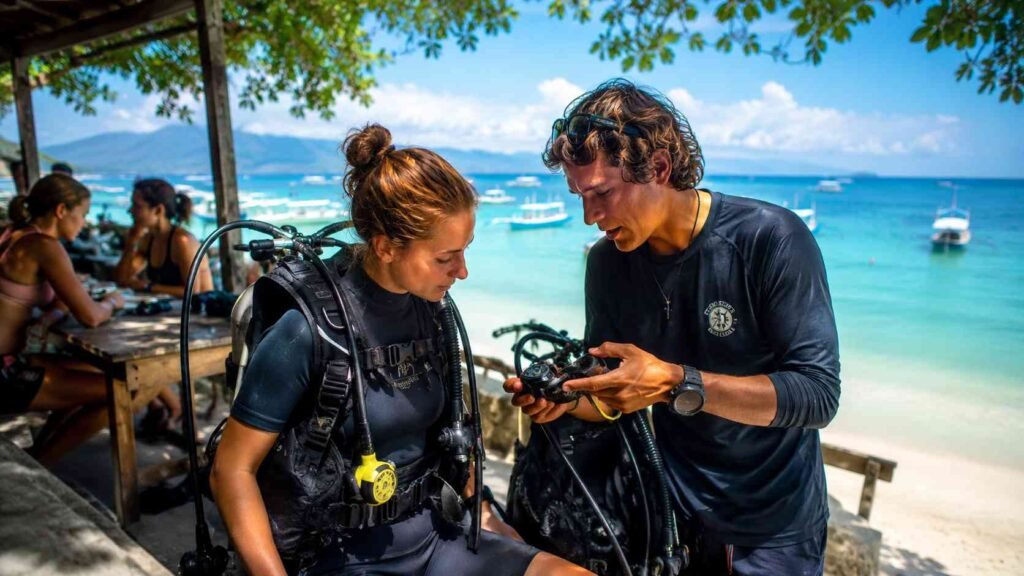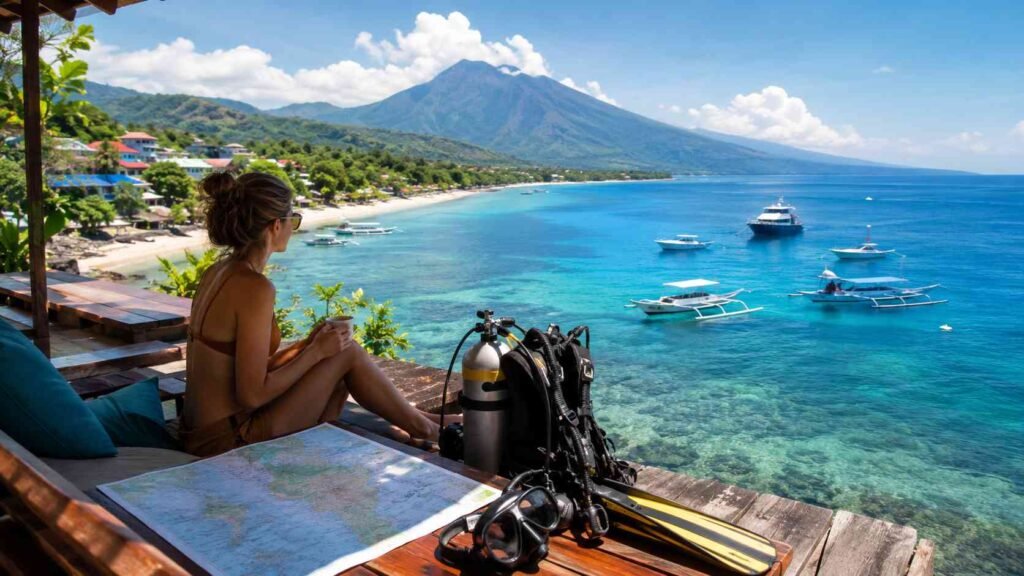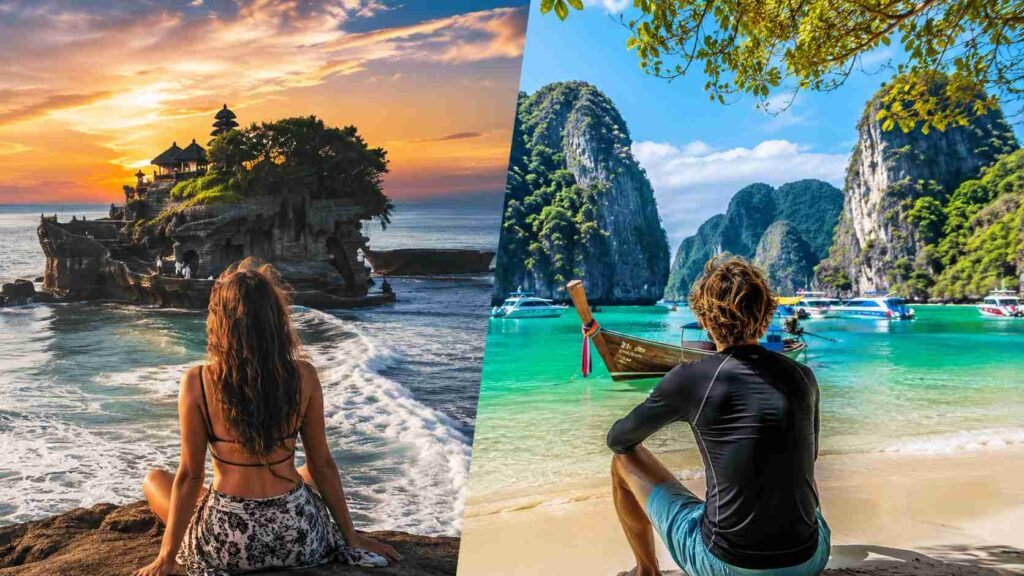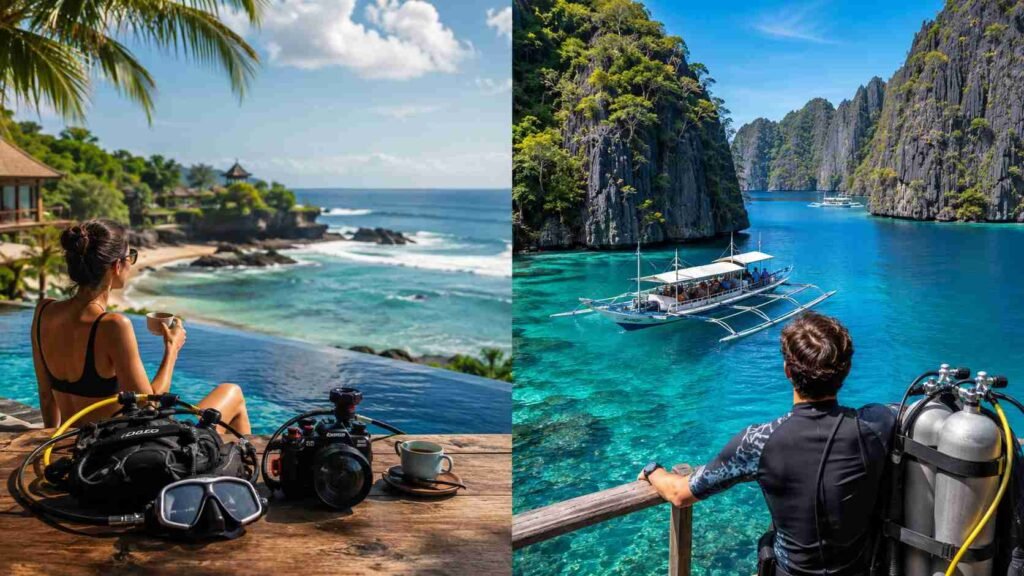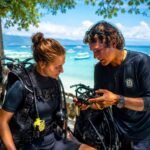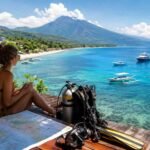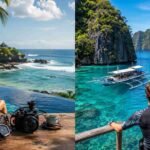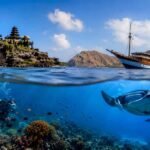
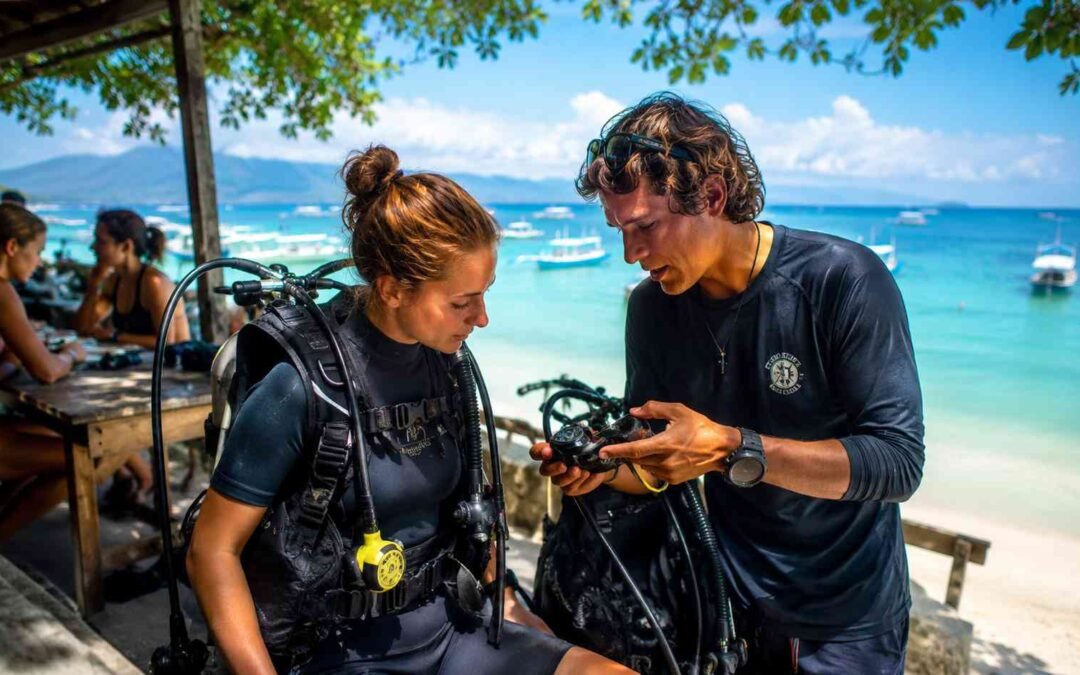
Can You Learn to Dive in Bali in 3 Days? The answer is yes. Thousands of first-time divers successfully complete their scuba diving certification in Bali within three days every year. Bali is one of the world's most popular destinations for beginner divers because of its warm tropical waters, excellent visibility, affordable courses, and professional dive instructors. Whether you are on a short vacation or simply want to maximize your travel experience, a three-day scuba diving course in Bali is often enough to earn an internationally recognized certification and begin your underwater adventures.
If you have always dreamed of exploring colorful coral reefs, swimming alongside sea turtles, and discovering fascinating marine life, learning to dive in Bali can be one of the most rewarding experiences of your trip.
Why Bali Is One of the Best Places to Learn Scuba Diving
Bali offers nearly everything a beginner diver needs for a comfortable learning environment. The island features calm dive sites, experienced instructors, modern dive centers, and easy access to various underwater locations.
Some reasons why beginners choose Bali include:
- Warm water throughout most of the year
- Excellent underwater visibility
- Diverse marine biodiversity
- Affordable diving packages
- Internationally certified instructors
- Modern rental equipment
- Safe training environments
Unlike destinations with cold water or strong currents, many Bali dive sites are ideal for students who have never worn scuba equipment before.
Is Three Days Really Enough?
Yes. Most beginner scuba certification courses are specifically designed to be completed in approximately three days.
During those three days, students learn:
- Basic scuba theory
- Equipment setup
- Underwater communication
- Safety procedures
- Buoyancy control
- Emergency skills
- Open water diving techniques
The schedule is intensive but manageable for most healthy adults.
Typical 3-Day Scuba Diving Schedule
Day 1: Classroom and Confined Water Training
The first day focuses on building knowledge and confidence.
Students usually begin with scuba theory, learning about:
- Pressure and breathing underwater
- Dive planning
- Safe ascent procedures
- Equipment operation
- Marine awareness
- Diving physics
After the classroom session, students enter a swimming pool or shallow confined water area.
Here they practice essential scuba skills including:
- Mask clearing
- Regulator recovery
- Buoyancy control
- Underwater breathing
- Equipment removal and replacement
- Emergency air sharing
This practice continues until students feel comfortable underwater.
Day 2: First Open Water Dives
Once pool training is complete, students travel to real dive sites.
The instructor closely supervises every dive while students perform the skills learned previously.
Typical activities include:
- Descending safely
- Equalizing ears
- Hovering underwater
- Swimming with proper fin techniques
- Air monitoring
- Controlled ascents
Besides practicing skills, students also begin enjoying Bali's incredible marine life.
They may encounter:
- Colorful reef fish
- Sea stars
- Soft corals
- Hard corals
- Clownfish
- Butterflyfish
- Moray eels
- Sea turtles
Day 3: Final Training Dives
The third day completes the remaining certification dives.
Students become more relaxed and confident underwater while demonstrating their diving abilities.
By the end of the course they should comfortably perform:
- Buoyancy control
- Navigation basics
- Buddy procedures
- Safety stops
- Dive planning
- Underwater awareness
After successfully completing all required skills, students receive certification approval.
What Certification Will You Receive?
Most dive centers in Bali offer internationally recognized certifications.
These certifications allow graduates to:
- Dive worldwide
- Rent scuba equipment
- Join guided dive trips
- Continue advanced diving courses
- Explore deeper recreational dive sites within certification limits
Your certification remains valid for life, although regular diving is recommended to maintain confidence and skills.
Do You Need Previous Experience?
No.
One of the biggest advantages of scuba diving is that beginners are welcome.
You do not need:
- Previous diving experience
- Technical knowledge
- Advanced swimming ability
- Free diving skills
Most courses only require participants to:
- Be in generally good health
- Feel comfortable in water
- Meet the minimum age requirement
- Complete a medical questionnaire
Do You Need to Be a Strong Swimmer?
Many people believe they must be excellent swimmers before learning scuba diving.
In reality, you only need basic water confidence.
Most certification agencies require students to:
- Swim a short distance without assistance
- Float or tread water for several minutes
You are not expected to swim like a competitive athlete.
Because scuba equipment provides buoyancy, underwater movement is often easier than surface swimming.
Best Dive Sites for Beginners in Bali
Several dive sites are especially suitable for students.
Sanur
Sanur offers relatively calm conditions and easy shore entries, making it suitable for beginner training on favorable weather days.
Tulamben
Tulamben is famous for its gentle shore diving and the iconic USAT Liberty Shipwreck.
The gradual entry allows new divers to enter the water comfortably while enjoying abundant marine life.
Padang Bai
Padang Bai provides beautiful coral reefs, sandy bottoms, and numerous protected dive sites suitable for beginner courses.
Students often enjoy excellent visibility and colorful reef ecosystems.
Amed
Amed offers relaxed diving conditions with healthy coral gardens and calm waters, making it another favorite destination for first-time divers.
What Marine Life Will You See?
One of the highlights of learning to dive in Bali is the incredible biodiversity.
Depending on your dive location and season, you may encounter:
- Green sea turtles
- Hawksbill turtles
- Clownfish
- Blue-spotted stingrays
- Lionfish
- Octopus
- Nudibranchs
- Reef sharks
- Giant groupers
- Moray eels
- Schools of tropical fish
- Vibrant coral reefs
Every dive offers something different.
What Equipment Is Included?
Most beginner courses include complete scuba equipment rental.
This generally includes:
- Mask
- Snorkel
- Fins
- Buoyancy Control Device (BCD)
- Regulator
- Tank
- Wetsuit
- Weight system
- Dive computer
- Safety equipment
Students do not need to purchase expensive gear before learning.
Read more: Is Bali a Good Place for Advanced Diving?
Is Learning to Dive in Bali Safe?
Yes, provided you choose a reputable dive center that follows international safety standards.
Professional instructors emphasize:
- Thorough equipment checks
- Small student-to-instructor ratios
- Emergency planning
- Controlled learning pace
- Environmental awareness
- Conservative diving practices
Students progress only when they demonstrate comfort and understanding.
Read more: Bali Diving vs Komodo Diving
How Much Does a 3-Day Diving Course Cost?
Prices vary depending on:
- Dive center
- Certification agency
- Number of students
- Dive locations
- Hotel transfers
- Included meals
- Equipment quality
Compared with many other international diving destinations, Bali generally offers excellent value while maintaining high training standards.
Read more: Bali Diving vs Philippines Diving
Tips Before Starting Your Course
To enjoy your diving experience, consider the following tips:
Get Plenty of Rest
Being well-rested helps improve concentration and comfort underwater.
Stay Hydrated
Drink enough water before and after diving to support your body throughout the course.
Avoid Alcohol
Avoid excessive alcohol before diving, as it can contribute to dehydration and reduce alertness.
Relax
Many beginners feel nervous before their first dive. Trust your instructor, breathe slowly, and take your time. Most students gain confidence surprisingly quickly.
Listen Carefully
Your instructor's briefings contain important information that makes every dive safer and more enjoyable.
Read more: Bali Diving vs Thailand Diving
Can You Continue Diving After Certification?
Absolutely.
After certification, you can immediately join fun dives around Bali or continue your diving education.
Popular next steps include:
- Advanced Open Water courses
- Peak Performance Buoyancy
- Underwater Photography
- Night Diving
- Deep Diving
- Wreck Diving
- Nitrox certification
Many divers discover that earning their first certification is only the beginning of a lifelong passion.
Read more: Best Areas to Stay for Diving in Bali
Final Thoughts
Learning to scuba dive in Bali in just three days is not only possible—it is one of the most popular ways to begin exploring the underwater world. With experienced instructors, warm tropical waters, beginner-friendly dive sites, and internationally recognized certification programs, Bali provides an ideal environment for first-time divers. Whether you are traveling solo, with friends, or as a family, completing a three-day scuba diving course can become one of the most memorable experiences of your vacation. Once certified, you'll have the skills and confidence to dive in destinations around the world while carrying unforgettable memories of your first underwater adventure in Bali.