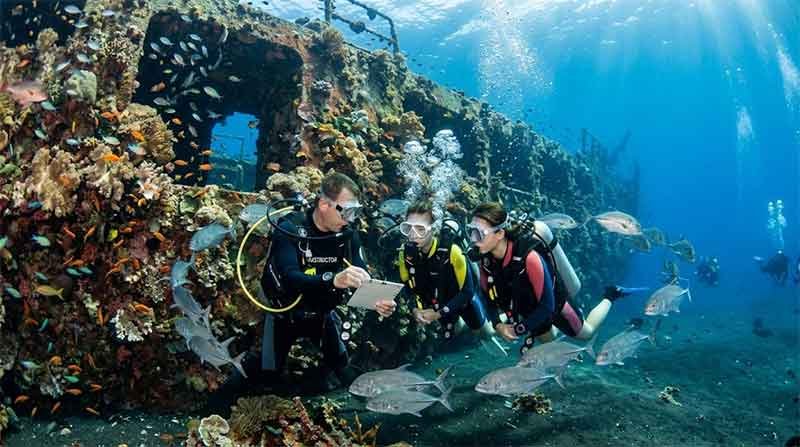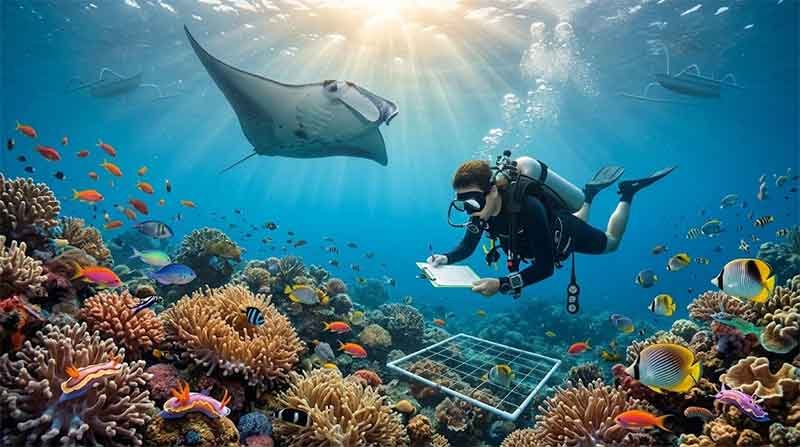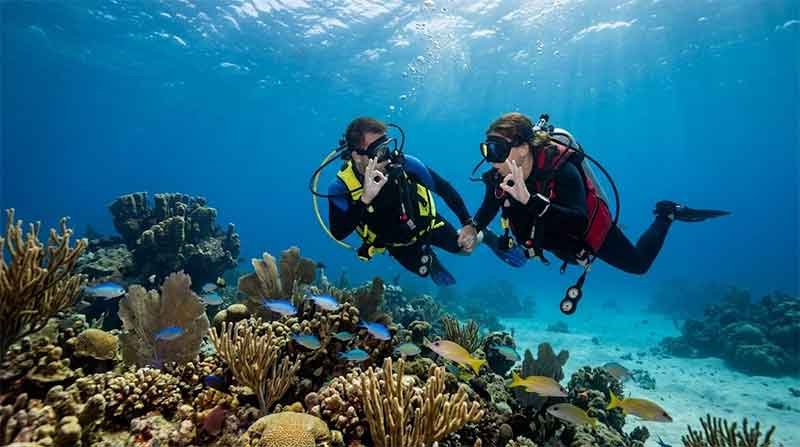
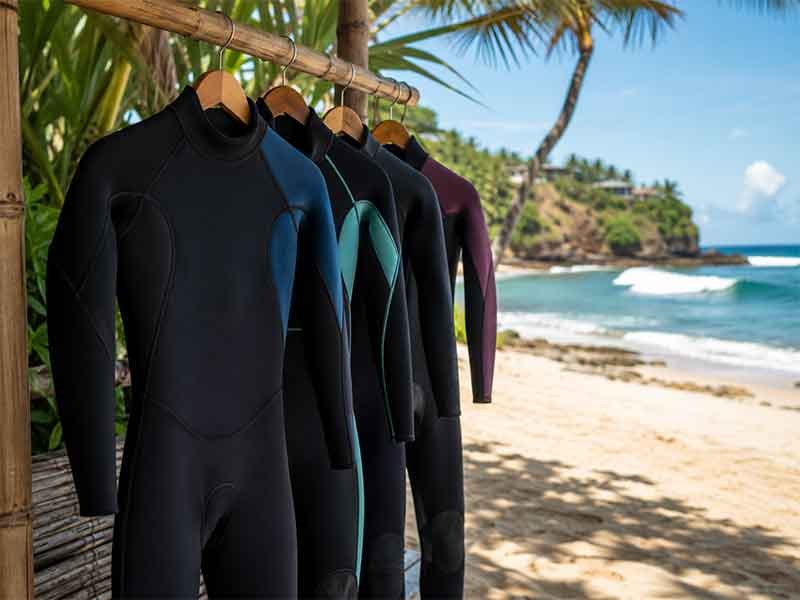
Wetsuit Thickness Guide for Bali is one of the most common topics among divers planning a scuba diving trip to the Island of the Gods. While Bali enjoys warm tropical weather throughout the year, underwater temperatures vary significantly depending on the dive site, season, depth, and ocean currents.
Choosing the right wetsuit thickness helps you stay comfortable, conserve body heat, reduce fatigue, and enjoy longer dives without feeling cold. Whether you are diving in Tulamben, Padang Bai, Nusa Penida, Amed, or Menjangan Island, understanding the ideal wetsuit thickness can greatly improve your diving experience.
Why Wetsuit Thickness Matters
Many first-time divers assume Bali's tropical climate means they can dive without thermal protection. However, underwater temperatures are often much cooler than the air temperature. Even in water above 80°F (27°C), repeated dives or long bottom times can gradually lower your body temperature.
A properly fitted wetsuit provides several important benefits:
- Maintains body warmth
- Reduces heat loss during long dives
- Protects against coral scrapes and marine life
- Provides UV protection while on the boat
- Improves overall dive comfort
- Helps reduce post-dive fatigue
Choosing the correct thickness is more important than choosing the most expensive wetsuit.
Average Water Temperatures Around Bali
Water temperature changes depending on location and season.
| Dive Area | Typical Water Temperature |
|---|---|
| Tulamben | 79–84°F (26–29°C) |
| Amed | 79–84°F (26–29°C) |
| Padang Bai | 75–82°F (24–28°C) |
| Menjangan Island | 82–86°F (28–30°C) |
| Nusa Penida | 66–79°F (19–26°C) |
Nusa Penida is well known for colder water caused by deep ocean upwellings from the Lombok Strait. Divers hoping to see manta rays or mola mola often experience the coldest temperatures in Bali.
Understanding Wetsuit Thickness
Wetsuit thickness is measured in millimeters.
Examples include:
- 1 mm
- 2 mm
- 3 mm
- 5 mm
- 7 mm
A wetsuit labeled 3/2 mm means:
- 3 mm thickness on the torso
- 2 mm thickness on the arms and legs
Thicker neoprene keeps you warmer but slightly reduces flexibility.
Is a 3 mm Wetsuit Enough for Bali?
For most divers, yes.
A full-length 3 mm wetsuit is considered the standard choice for Bali diving because it balances warmth, flexibility, and comfort.
It works especially well for:
- Tulamben
- Amed
- Menjangan
- Padang Bai during warmer months
Most local dive centers provide 3 mm wetsuits as standard rental equipment because they suit the majority of conditions.
When Should You Wear a 5 mm Wetsuit?
Some divers become cold much faster than others.
A 5 mm wetsuit is recommended if you:
- Dive in Nusa Penida
- Dive during the cooler season
- Plan multiple dives per day
- Stay underwater longer than 60 minutes
- Get cold easily
- Have a slim body type with lower body fat
Many underwater photographers also prefer a 5 mm wetsuit because they remain nearly motionless while taking photos, causing them to lose heat more quickly.
Is a 7 mm Wetsuit Necessary?
Rarely.
A 7 mm wetsuit is generally unnecessary for Bali unless:
- You are extremely sensitive to cold.
- You are doing technical dives.
- You plan very deep dives with long decompression stops.
- You expect water temperatures around 66°F (19°C) for extended periods.
Most recreational divers find a 5 mm wetsuit sufficient even in the coldest conditions.
Related: How to Pack Dive Gear for Travel
Best Wetsuit Thickness for Each Bali Dive Destination
Tulamben
Recommended thickness:
- 3 mm full suit
- 5 mm if you feel cold easily
Tulamben's water remains relatively stable throughout the year and is comfortable for most divers.
Amed
Recommended thickness:
- 3 mm
Amed offers warm water and generally calm diving conditions, making a 3 mm wetsuit ideal.
Padang Bai
Recommended thickness:
- 3 mm during warm months
- 5 mm during cooler months
Cold currents occasionally pass through Padang Bai, especially at deeper dive sites.
Menjangan Island
Recommended thickness:
- 3 mm
- Shorty wetsuit for very warm days
Menjangan usually has the warmest water in Bali.
Nusa Penida
Recommended thickness:
- 5 mm
- Hood optional during cold season
If you are diving to see manta rays or mola mola, prepare for significantly colder water than elsewhere in Bali.
Should You Wear a Hood?
A hood is optional but useful when:
- Diving in Nusa Penida
- Doing three or more dives per day
- Staying underwater for extended periods
- Water temperature drops below 73°F (23°C)
A thin 3 mm hood can make a noticeable difference in comfort.
Should You Wear Gloves?
Many marine parks in Bali discourage or prohibit gloves unless medically necessary.
The reason is simple:
Without gloves, divers are less likely to touch coral reefs or marine life.
Always follow your dive guide's instructions and local regulations.
Rash Guards vs Wetsuits
Some travelers wonder if a rash guard is enough.
A rash guard provides:
- UV protection
- Minor abrasion protection
- Lightweight comfort
However, it does not provide meaningful insulation.
For scuba diving, a proper wetsuit is almost always the better option.
Factors That Affect How Cold You Feel
Water temperature alone does not determine comfort.
Several factors influence heat loss underwater:
Dive Duration
Longer dives mean more heat loss.
Number of Dives
Three dives in one day gradually reduce your core body temperature.
Depth
Deeper water is generally colder.
Body Type
Lean divers usually lose heat faster than those with more natural insulation.
Wind After the Dive
A strong breeze during the boat ride back can make you feel colder than the dive itself.
Related: Best Underwater Cameras for Bali
Tips for Staying Warm During Bali Dives
Stay Hydrated
Proper hydration helps regulate body temperature.
Eat Before Diving
Your body burns calories to produce heat.
Dry Off Quickly
Change into dry clothing immediately after diving.
Bring a Windproof Jacket
Boat rides can feel chilly even after warm dives.
Keep Your Wetsuit Snug
A loose wetsuit allows water to circulate continuously, reducing its insulating ability.
Renting vs Bringing Your Own Wetsuit
Renting
Advantages:
- No luggage space required
- Easy and convenient
- Suitable for occasional divers
Disadvantages:
- Limited size availability
- Different fit every trip
- Older neoprene may provide less warmth
Bringing Your Own
Advantages:
- Perfect fit
- Better hygiene
- Familiar comfort
- Consistent thermal protection
Frequent divers usually prefer bringing their own wetsuit.
Seasonal Wetsuit Recommendations
April to November
Most dive sites:
- 3 mm wetsuit
Nusa Penida:
- 5 mm recommended
December to March
Most dive sites:
- 3 mm
Cold-sensitive divers:
- 5 mm
Weather conditions vary, but water temperatures remain suitable for recreational diving throughout the year.
Common Mistakes Divers Make
Many new divers accidentally choose the wrong exposure protection.
Avoid these common mistakes:
- Wearing only swimwear for scuba diving
- Choosing a wetsuit that is too loose
- Assuming tropical water is always warm
- Forgetting about multiple dives
- Ignoring colder dive sites like Nusa Penida
- Renting an oversized wetsuit
A well-fitted wetsuit is more effective than simply wearing a thicker one.
Frequently Asked Questions
Is a 3 mm wetsuit enough for Bali?
Yes. A 3 mm full wetsuit is ideal for most Bali dive sites and is the most commonly used thickness by recreational divers.
Do I need a 5 mm wetsuit in Bali?
A 5 mm wetsuit is recommended for Nusa Penida, divers who get cold easily, or anyone planning multiple dives in a day.
Can I dive in Bali with just a rash guard?
For snorkeling, a rash guard is often sufficient. For scuba diving, a wetsuit provides much better warmth and protection.
Which Bali dive site has the coldest water?
Nusa Penida typically has the coldest water in Bali due to seasonal upwellings from the deep ocean.
Does wetsuit thickness affect buoyancy?
Yes. Thicker wetsuits create more buoyancy, requiring slightly more weight to achieve proper neutral buoyancy underwater.
Related: Should You Bring Your Own Dive Gear to Bali?
Conclusion
Choosing the right wetsuit thickness can make a significant difference in your Bali diving experience. While a 3 mm full wetsuit is suitable for most dive sites such as Tulamben, Amed, Padang Bai, and Menjangan Island, divers visiting Nusa Penida or those who are more sensitive to cold will usually enjoy greater comfort with a 5 mm wetsuit. The right exposure protection not only keeps you warm but also improves safety, reduces fatigue, and allows you to spend more time appreciating Bali's spectacular coral reefs, colorful marine life, and world-famous underwater landscapes. By matching your wetsuit to the dive location, season, and personal comfort level, you can enjoy every dive in Bali with confidence and comfort.