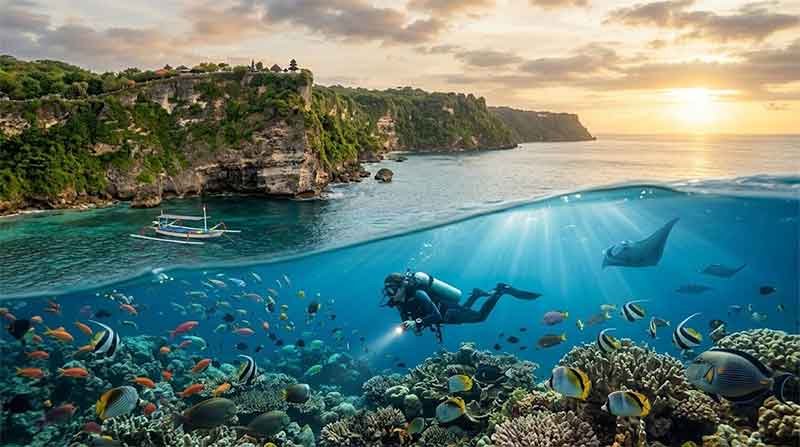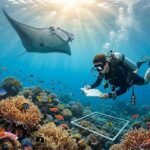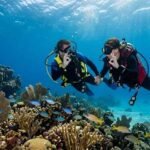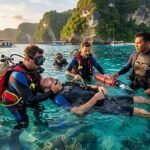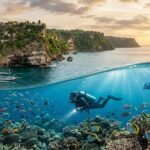
Coral Restoration Projects in Bali are playing a vital role in protecting one of the world's richest marine ecosystems while helping damaged reefs recover from natural and human-made impacts. Bali is internationally recognized not only for its beautiful beaches and world-class diving but also for its commitment to marine conservation.
Across the island, local communities, marine organizations, dive centers, universities, and environmental volunteers work together to restore coral reefs using innovative techniques that support biodiversity and sustainable tourism. These restoration projects are helping create healthier oceans for future generations while providing visitors with an opportunity to witness conservation in action.
Why Coral Reefs Are Important to Bali
Coral reefs are often called the rainforests of the sea because they support an incredible variety of marine life. Around Bali, reefs provide habitat for thousands of species of fish, crustaceans, mollusks, sea turtles, reef sharks, and countless microscopic organisms that form the foundation of the marine food chain.
Healthy coral reefs also provide several essential benefits:
- Protect coastlines from erosion and powerful waves.
- Support local fisheries and food security.
- Create jobs through marine tourism.
- Maintain biodiversity.
- Improve water quality.
- Store carbon within marine ecosystems.
Without healthy reefs, many coastal communities in Bali would face economic and environmental challenges.
Why Coral Restoration Is Necessary
Although many reefs around Bali remain healthy, others have suffered damage over the past several decades. Coral restoration has become necessary to accelerate recovery in areas where natural regeneration is slow.
Several factors contribute to coral reef damage:
- Climate change and rising sea temperatures.
- Coral bleaching events.
- Storm damage.
- Unsustainable fishing practices.
- Boat anchor damage.
- Plastic pollution.
- Coastal development.
- Sedimentation from land runoff.
While restoration cannot replace natural reef protection, it helps damaged ecosystems recover faster when combined with effective conservation efforts.
How Coral Restoration Works
Coral restoration involves growing healthy coral fragments and transplanting them onto damaged reefs. Scientists carefully select coral species that naturally occur in the area and monitor their growth over time.
The restoration process usually includes:
Site Assessment
Marine biologists first evaluate reef conditions, water quality, current strength, depth, and existing marine life before selecting restoration sites.
Coral Fragment Collection
Rather than removing healthy colonies, restoration teams often collect naturally broken coral fragments or carefully trim small pieces from healthy donor colonies.
Coral Nurseries
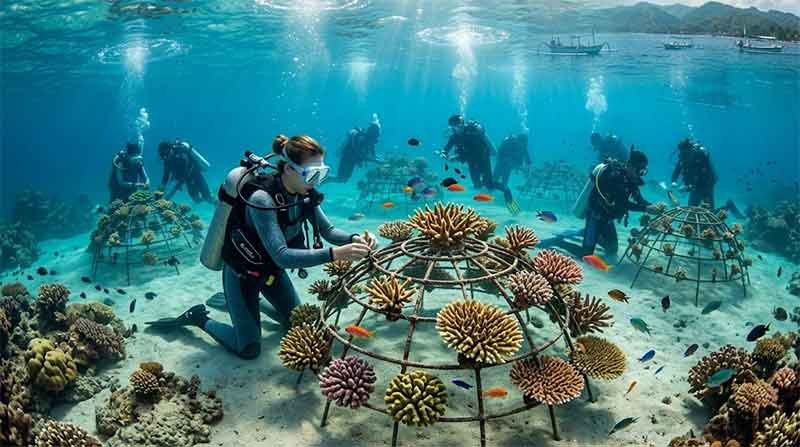
The coral fragments are placed in underwater nurseries where they can grow safely for several months or even years before transplantation.
Nurseries may use:
- Floating rope systems
- Metal frames
- PVC structures
- Suspended tables
- Artificial reef modules
Transplanting Corals
Once the corals have reached sufficient size, they are attached to damaged reef areas using environmentally safe materials.
Long-Term Monitoring
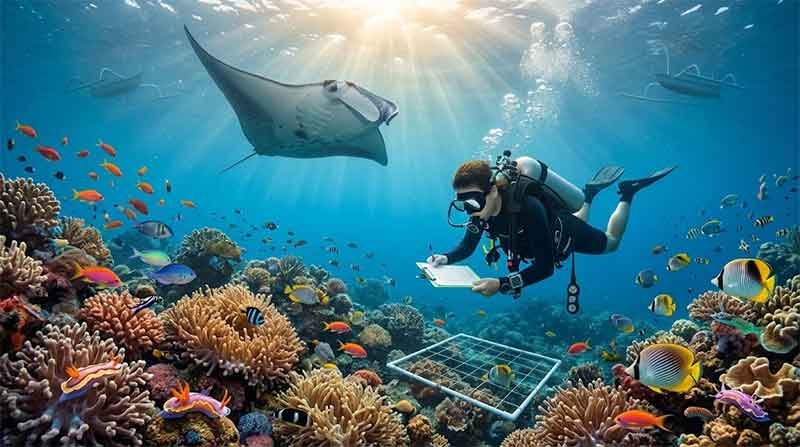
Divers regularly inspect restored reefs, recording coral growth, fish populations, algae levels, and overall ecosystem health.
Popular Coral Restoration Locations in Bali
Several coastal regions around Bali have become well known for successful reef restoration efforts.
Pemuteran
Pemuteran is one of Bali's most famous examples of coral restoration. Community-led conservation programs have transformed previously damaged reefs into thriving marine habitats.
Artificial reef structures combined with coral transplantation have dramatically increased fish populations while attracting eco-tourism from around the world.
Nusa Penida
The waters surrounding Nusa Penida contain healthy coral reefs alongside restoration areas where conservation groups work to strengthen reef resilience.
The region is also home to manta rays, reef sharks, sea turtles, and the famous mola mola during the appropriate season.
Tulamben
Tulamben is internationally recognized for the USAT Liberty Shipwreck, but nearby conservation initiatives also focus on restoring surrounding coral habitats.
The volcanic seabed provides ideal conditions for many coral species to establish themselves.
Padang Bai
Padang Bai features diverse reef environments where restoration projects help protect coral gardens that support macro marine life, reef fish, octopus, nudibranchs, and sea turtles.
Menjangan Island
Located within West Bali National Park, Menjangan Island contains some of Bali's healthiest reefs. Conservation programs emphasize protection alongside targeted restoration where necessary.
Coral Restoration Techniques Used in Bali
Modern coral restoration combines scientific research with innovative engineering.
Common methods include:
Coral Gardening
Fragments are grown in underwater nurseries before being replanted onto natural reefs.
Artificial Reef Structures
Concrete modules, reef stars, and specially designed frames provide stable surfaces for young corals to attach and grow.
Mineral Accretion Technology
Some projects use low-voltage electrical currents to encourage faster coral growth by promoting mineral deposition.
Coral Microfragmentation
Scientists divide larger coral colonies into tiny fragments that grow rapidly before merging into larger colonies.
Assisted Natural Recovery
Instead of planting new corals, some projects remove debris, invasive algae, and pollution, allowing reefs to recover naturally.
Read Also: Coral Reefs of Bali Explained
Marine Life That Benefits from Coral Restoration
As coral habitats recover, marine biodiversity often increases significantly.
Visitors may encounter:
- Clownfish
- Butterflyfish
- Angelfish
- Damselfish
- Sweetlips
- Triggerfish
- Parrotfish
- Lionfish
- Moray eels
- Sea turtles
- Reef sharks
- Octopus
- Cuttlefish
- Seahorses
- Nudibranchs
- Cleaner shrimp
Healthy reefs support every level of marine life, from microscopic plankton to large predators.
The Role of Local Communities
Many of Bali's most successful restoration projects are led by local communities rather than government agencies alone.
Fishermen, dive instructors, tourism operators, students, and volunteers all contribute through:
- Reef monitoring
- Beach cleanups
- Coral nursery maintenance
- Environmental education
- Sustainable tourism initiatives
- Waste reduction campaigns
Community involvement has become one of the strongest factors behind Bali's conservation success.
Read Also: Coral Growth on the Liberty Wreck: A Living Reef
Sustainable Diving and Snorkeling Practices
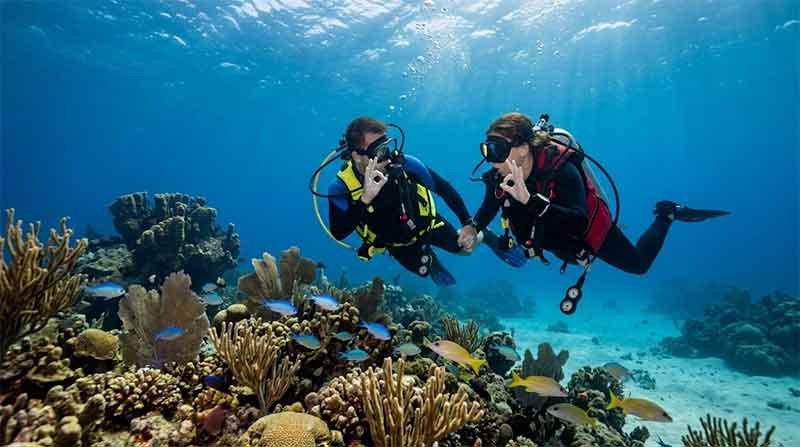
Tourists can help protect restored reefs by following responsible diving and snorkeling guidelines.
Always remember to:
- Never stand on coral.
- Maintain good buoyancy while diving.
- Avoid touching marine animals.
- Use reef-safe sunscreen.
- Never collect coral or shells.
- Secure equipment to prevent accidental contact.
- Dispose of waste properly.
- Follow instructions from local dive guides.
Small actions by thousands of visitors can make a significant difference.
Challenges Facing Coral Restoration
Despite impressive progress, coral restoration remains challenging.
Major obstacles include:
- Ocean warming.
- Coral bleaching.
- Increasing tourism pressure.
- Plastic pollution.
- Crown-of-thorns starfish outbreaks.
- Illegal fishing.
- Coastal development.
- Funding limitations.
Because coral reefs grow slowly, restoration requires patience and long-term commitment.
Future of Coral Restoration in Bali
Marine scientists continue developing better restoration techniques that improve coral survival and increase biodiversity. New technologies such as genetic research, coral breeding, artificial intelligence monitoring, underwater mapping, and drone surveys are helping conservation teams make better decisions.
Partnerships between local communities, universities, government agencies, dive operators, and international conservation organizations are expected to expand restoration efforts throughout Bali in the coming years.
As environmental awareness grows, more travelers are also choosing eco-friendly tourism experiences that directly support reef conservation.
How Visitors Can Support Coral Restoration
Anyone visiting Bali can contribute to healthier oceans.
Simple ways to help include:
- Choose environmentally responsible dive operators.
- Participate in reef conservation programs.
- Join beach cleanup events.
- Reduce single-use plastics.
- Respect marine protected areas.
- Learn about marine ecosystems.
- Support local conservation organizations.
- Share responsible travel practices with others.
Responsible tourism creates positive impacts that extend well beyond a single vacation.
Read Also: Coral Reefs of Menjangan Island: A Healthy Ecosystem
Conclusion
Coral Restoration Projects in Bali demonstrate how science, community involvement, and sustainable tourism can work together to rebuild fragile marine ecosystems. From Pemuteran and Tulamben to Padang Bai, Nusa Penida, and Menjangan Island, restoration efforts are helping damaged reefs recover while protecting the incredible biodiversity that makes Bali one of the world's premier diving destinations. Although challenges such as climate change and pollution remain, ongoing conservation initiatives provide hope that Bali's coral reefs will continue to thrive for generations to come. Visitors who choose responsible diving, snorkeling, and eco-friendly travel play an important role in supporting these valuable restoration projects and ensuring the future of Bali's underwater paradise.