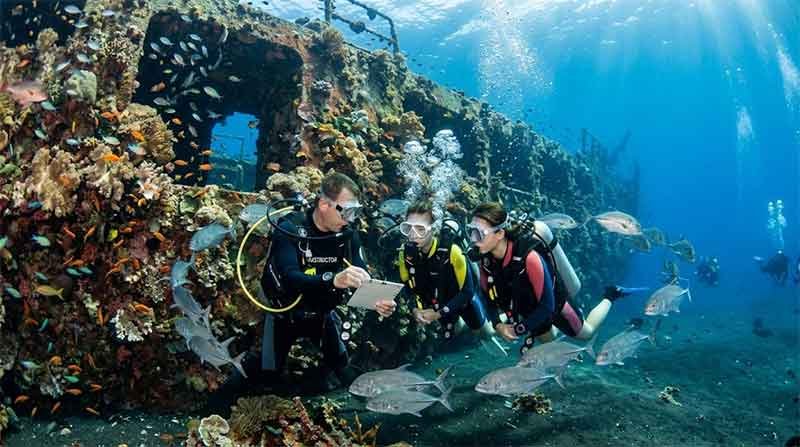
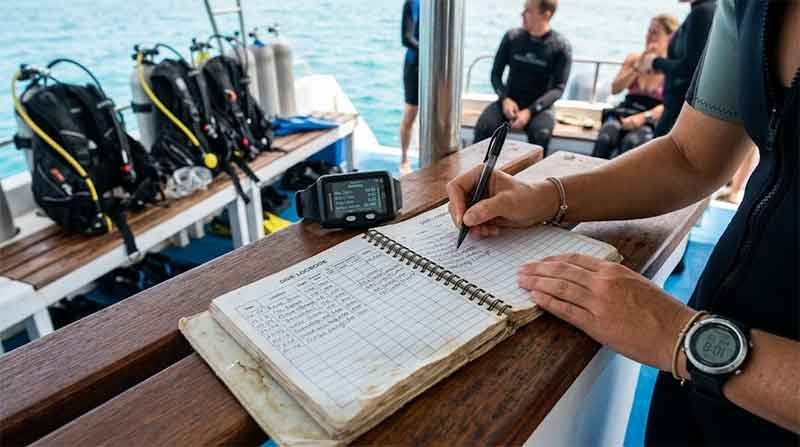
How to Log Your Dives Properly is one of the most valuable habits every scuba diver can develop, regardless of experience level. A well-maintained dive log is much more than a record of numbers—it serves as a personal diving history, a training tool, and a way to monitor your progress over time. Whether you use a traditional paper logbook or a modern digital app, recording accurate information after every dive helps improve safety, build confidence, and prepare you for more advanced diving adventures.
By learning how to log your dives properly, you can identify patterns, remember amazing underwater encounters, and document the milestones of your diving journey.
Why Keeping a Dive Log Is Important
Every certified diver is encouraged to maintain a dive log from the very beginning. While some divers stop logging after gaining experience, experienced professionals often continue documenting every dive because they understand its long-term value.
A dive log helps you:
- Track your diving experience.
- Monitor improvements in buoyancy and air consumption.
- Remember dive sites and underwater conditions.
- Record equipment performance.
- Verify experience for advanced certifications.
- Meet requirements for specialty courses.
- Build confidence before challenging dives.
- Create lasting memories of underwater adventures.
Your dive log becomes your personal underwater diary that grows more valuable with every dive.
What Information Should You Record?
A complete dive log should include all the important details about each dive. Recording accurate information shortly after surfacing ensures nothing is forgotten.
Include the following information:
- Dive number
- Date
- Dive location
- Dive site name
- Country or region
- Dive operator
- Dive buddy
- Instructor or guide
- Entry and exit time
- Maximum depth
- Average depth
- Total dive time
- Water temperature
- Air temperature
- Visibility
- Current strength
- Surface conditions
- Type of dive
- Tank size
- Starting pressure
- Ending pressure
- Weight used
- Exposure protection
- Equipment configuration
These details help you compare dives and improve future planning.
Record the Environmental Conditions
Environmental conditions have a significant impact on every dive. Recording them allows you to better understand how different situations affect your comfort and performance.
Important conditions include:
Visibility
Estimate underwater visibility in meters or feet.
Examples:
- Excellent (30+ meters)
- Good (15–30 meters)
- Moderate (8–15 meters)
- Poor (less than 8 meters)
Current
Describe the current honestly.
Examples:
- No current
- Mild current
- Moderate current
- Strong current
Water Temperature
Water temperature helps determine exposure protection for future dives.
For example:
- 29°C tropical water
- 24°C moderate water
- 18°C cool water
Surface Conditions
Record conditions such as:
- Calm sea
- Small waves
- Choppy surface
- Rain
- Windy
- Cloudy
- Sunny
Record Marine Life You Encountered
One of the most enjoyable parts of keeping a dive log is remembering the incredible marine life you observed.
You may record sightings such as:
- Sea turtles
- Reef sharks
- Manta rays
- Eagle rays
- Whale sharks
- Seahorses
- Frogfish
- Nudibranchs
- Octopus
- Cuttlefish
- Moray eels
- Clownfish
- Barracuda
- Napoleon wrasse
- Giant trevally
- Coral spawning
- Dolphins seen from the boat
These observations create unforgettable memories and help you remember your favorite dive sites.
Note Any Challenges During the Dive
A dive log is not only about successful dives. It should also include difficulties that can help you improve.
Examples include:
- Trouble equalizing
- High air consumption
- Poor buoyancy control
- Strong current
- Low visibility
- Equipment issues
- Weighting problems
- Anxiety before descent
- Difficulty with navigation
Recording these challenges allows you to recognize patterns and improve your skills over time.
Document Your Personal Performance
Self-evaluation is one of the most useful sections of any dive log.
Ask yourself:
- Was my buoyancy good?
- Did I stay relaxed?
- Did I communicate effectively?
- Was my trim balanced?
- Did I monitor my air regularly?
- Did I stay close to my buddy?
- Did I maintain good situational awareness?
Being honest about your performance leads to faster improvement.
Record Equipment Used
Equipment configuration affects every dive. Recording what you used helps identify preferences and equipment performance.
Include:
- BCD model
- Regulator
- Dive computer
- Wetsuit thickness
- Gloves
- Hood
- Fins
- Mask
- Camera
- SMB
- Dive light
- Compass
If equipment performs unusually well—or poorly—you'll have a record for future reference.
Track Your Air Consumption
Monitoring air consumption is an excellent way to measure your progress.
Record:
- Starting tank pressure
- Ending tank pressure
- Tank size
- Dive duration
- Maximum depth
Over time, you'll notice improvements as your breathing becomes calmer and more efficient.
Include Notes About Dive Planning
Good dive planning deserves documentation.
Examples include:
- Planned maximum depth
- Actual maximum depth
- Planned bottom time
- Safety stop duration
- Entry technique
- Exit technique
- Navigation route
Comparing your plan with the actual dive helps improve planning accuracy.
Write Personal Memories
Your dive log should not feel like a spreadsheet. Include memorable moments that make each dive unique.
Examples:
- First encounter with a manta ray.
- First night dive.
- First wreck dive.
- First underwater photograph.
- Saw thousands of schooling fish.
- Perfect visibility.
- Amazing coral reef.
- Beautiful sunrise before boarding.
- Celebrated 100th dive.
Years later, these notes become some of your favorite memories.
Related: How to Pack Dive Gear for Travel
Paper Logbook vs Digital Dive Log
Both options have advantages.
Paper Logbook
Advantages:
- Traditional and personal.
- Instructor signatures.
- Great souvenir.
- No battery required.
Disadvantages:
- Can be lost.
- Limited space.
- Manual calculations.
Digital Dive Log
Advantages:
- Automatic synchronization.
- Easy searching.
- GPS integration.
- Dive computer downloads.
- Cloud backup.
- Photos and videos attached.
- Statistical analysis.
Disadvantages:
- Requires electronic devices.
- Battery dependent.
- Some apps require subscriptions.
Many divers use both methods for maximum convenience.
Common Mistakes When Logging Dives
Avoid these common mistakes:
- Waiting several days before logging.
- Forgetting dive buddy names.
- Recording incorrect depths.
- Ignoring environmental conditions.
- Not tracking air consumption.
- Skipping equipment notes.
- Leaving out marine life sightings.
- Forgetting instructor signatures during training.
The sooner you log your dive, the more accurate it will be.
Tips for Keeping an Organized Dive Log
Develop a consistent routine after every dive.
Helpful habits include:
- Log your dive immediately after surfacing.
- Take photos of dive site maps.
- Save GPS locations if available.
- Record weather conditions.
- Include underwater photography notes.
- Track equipment maintenance.
- Add certification milestones.
- Review older logs regularly.
Consistency makes your dive log far more useful over time.
How Dive Logs Help with Advanced Certifications
Many advanced scuba courses require proof of diving experience. A detailed dive log demonstrates your readiness and helps instructors understand your background.
Your logged dives may be used when enrolling in:
- Advanced training
- Deep diving courses
- Wreck diving specialties
- Night diving specialties
- Rescue diver courses
- Professional-level certifications
Keeping an accurate logbook can simplify the enrollment process and provide confidence to instructors evaluating your experience.
Making Your Dive Log a Lifelong Record
Every dive tells a story. Some dives are filled with spectacular marine life, while others teach valuable lessons about buoyancy, navigation, or problem-solving. Over months and years, your logbook becomes a complete history of your underwater adventures.
Many divers find themselves revisiting old entries to remember favorite destinations, compare equipment setups, or relive incredible encounters beneath the surface. Whether you complete 20 dives or 2,000 dives, your logbook grows into an irreplaceable record of your diving journey.
Related: Wetsuit Thickness Guide for Bali
Conclusion
Learning How to Log Your Dives Properly is an essential skill for every scuba diver. An organized dive log helps improve safety, track personal progress, document marine life encounters, monitor equipment performance, and provide proof of diving experience for future certifications. Whether you prefer a classic paper logbook or a modern digital app, recording detailed information after every dive ensures you continue learning from every underwater experience. By making dive logging a consistent habit, you'll preserve unforgettable memories while becoming a more knowledgeable, confident, and responsible diver.
Discover the underwater beauty of Bali with Bali Diving Center Scuba, your trusted partner for unforgettable scuba diving experiences. Explore colorful coral reefs, encounter fascinating marine life, and enjoy safe, exciting dives with experienced diving professionals. Whether you are a beginner or an experienced diver, we are ready to help you plan the perfect Bali diving adventure. Ready to dive? Chat with us on WhatsApp now to check availability and make your booking!