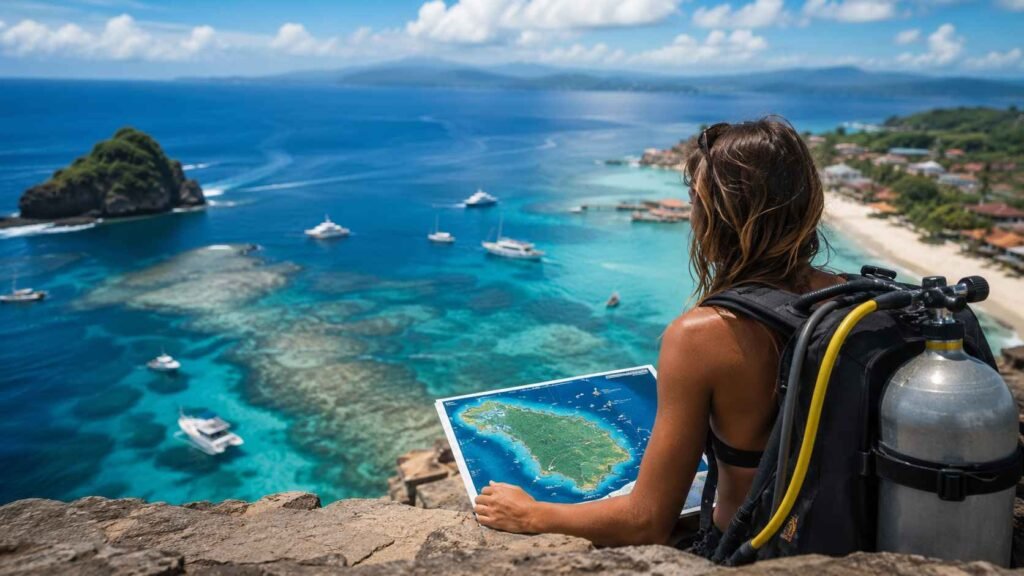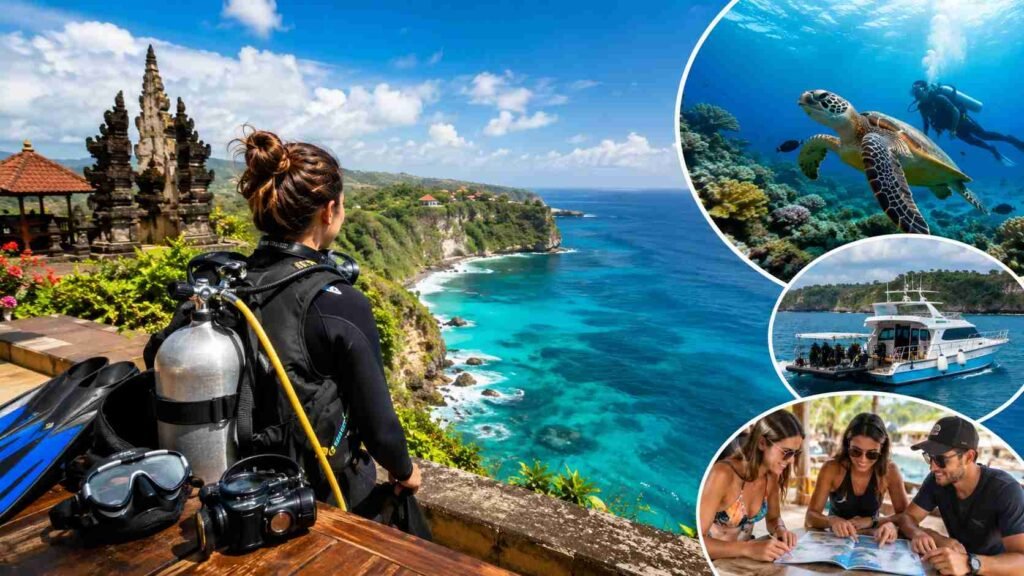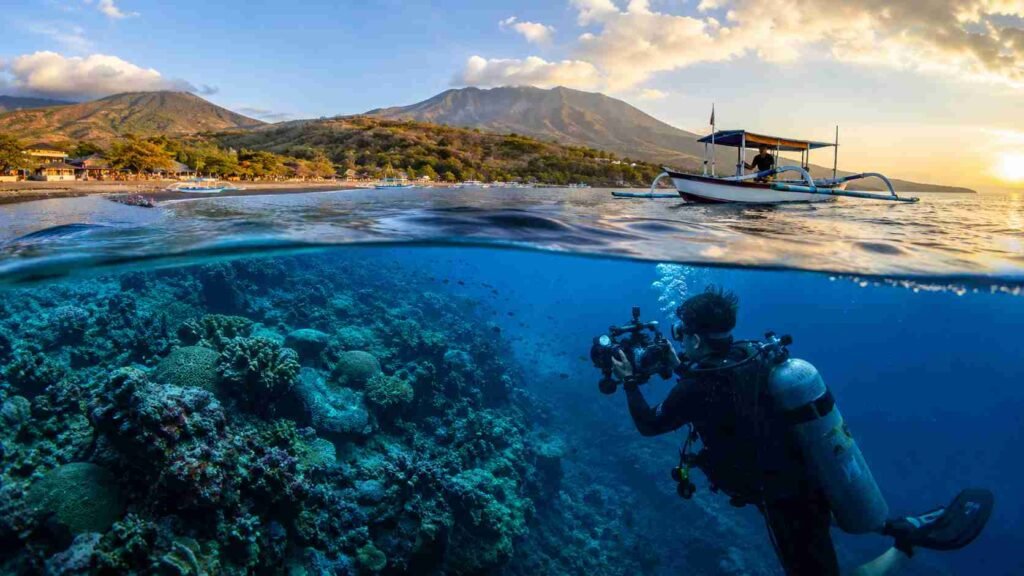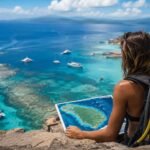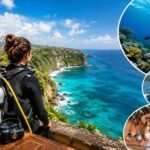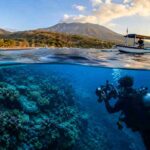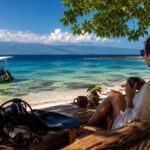
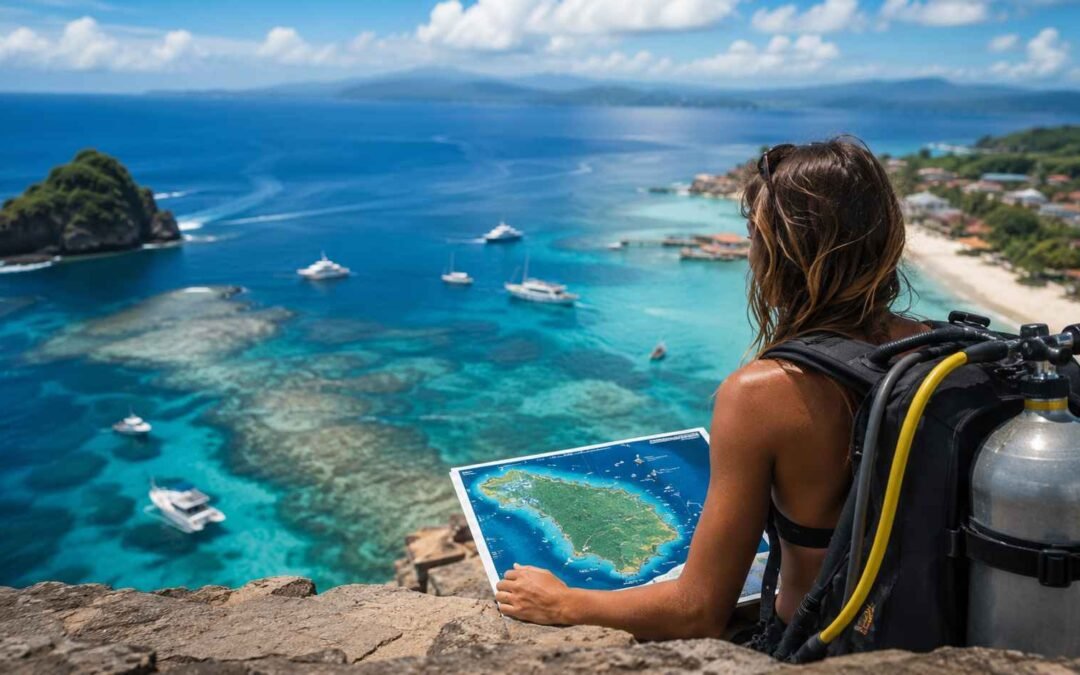
How to Choose the Best Dive Area in Bali is one of the most important questions for anyone planning a diving holiday on the Island of the Gods. Bali offers an incredible variety of dive sites, from colorful coral gardens and historic shipwrecks to thrilling drift dives and encounters with large marine life. With so many options available, selecting the right dive area can make the difference between a good diving trip and an unforgettable underwater adventure. Understanding the unique characteristics of each region will help you choose the perfect destination based on your experience level, interests, and travel goals.
Why Bali Is One of the World's Top Diving Destinations
Bali is recognized as one of Southeast Asia's premier diving locations due to its diverse marine ecosystems, excellent visibility, warm tropical waters, and year-round diving opportunities. The island sits within the Coral Triangle, one of the most biologically diverse marine regions on Earth.
Divers visiting Bali can experience:
- Vibrant coral reefs
- World-famous shipwreck diving
- Manta ray encounters
- Seasonal mola mola sightings
- Macro photography opportunities
- Drift diving adventures
- Beginner-friendly dive sites
The wide range of underwater experiences means there is a dive area suitable for every type of diver.
Consider Your Diving Experience Level
One of the first factors when choosing a dive area in Bali is your level of diving experience.
Best Areas for Beginners
New divers should look for locations with calm conditions, minimal currents, and easy access.
Popular beginner-friendly areas include:
- Amed
- Jemeluk Bay
- Padang Bai
- Blue Lagoon
These sites offer shallow reefs, gentle conditions, and abundant marine life, making them ideal for Open Water students and newly certified divers.
Best Areas for Intermediate Divers
Intermediate divers can explore sites with moderate currents and deeper reef systems.
Recommended areas include:
- Tulamben
- Candidasa
- Nusa Penida during calm conditions
These locations provide more varied underwater landscapes and exciting marine encounters.
Best Areas for Advanced Divers
Experienced divers seeking challenging conditions often head to:
- Nusa Penida
- Nusa Lembongan
- Gili Biaha
- Gili Tepekong
These areas feature stronger currents, deeper dives, and opportunities to see larger pelagic species.
Choose Based on the Marine Life You Want to See
Different dive regions around Bali attract different marine species.
For Manta Rays
If swimming alongside giant manta rays is at the top of your bucket list, Nusa Penida is the best choice.
Manta Point is famous for reliable manta ray sightings throughout much of the year. These graceful creatures can often be seen feeding and visiting cleaning stations.
For Mola Mola (Ocean Sunfish)
The elusive mola mola attracts divers from around the world.
The best locations include:
- Nusa Penida
- Nusa Lembongan
The peak season typically runs from July through October when colder currents bring these unusual fish closer to the reefs.
For Sea Turtles
Sea turtles can be found across many Bali dive sites, but common sightings occur in:
- Amed
- Tulamben
- Nusa Penida
- Padang Bai
For Macro Photography
Macro enthusiasts will love searching for tiny underwater treasures.
Top macro destinations include:
- Seraya Secret
- Tulamben
- Padang Bai
- Secret Bay
Photographers regularly find nudibranchs, ghost pipefish, frogfish, shrimp, and seahorses.
Decide Whether You Prefer Reefs, Wrecks, or Drift Diving
Every diver has different interests beneath the surface.
Reef Diving
Coral reef lovers should consider:
Amed
Amed features healthy reefs, calm conditions, and colorful marine life.
Padang Bai
Padang Bai offers coral gardens and excellent biodiversity close to southern Bali.
Wreck Diving
The most famous wreck dive in Bali is the USAT Liberty Shipwreck in Tulamben.
The wreck lies just offshore and is accessible from the beach, making it one of the easiest and most rewarding wreck dives in the world.
Highlights include:
- Coral-covered structures
- Large schools of fish
- Reef sharks
- Bumphead parrotfish
Drift Diving
Divers seeking adrenaline and excitement often prefer drift dives.
Top drift diving areas include:
- Nusa Penida
- Nusa Lembongan
- Candidasa
Strong currents bring nutrient-rich water that attracts larger marine species and creates spectacular underwater action.
Consider Water Conditions Throughout the Year
Although Bali offers year-round diving, seasonal conditions can influence your destination choice.
Dry Season (April to October)
The dry season generally provides:
- Better visibility
- Calmer weather
- Cooler water in some areas
- Peak mola mola season
This period is popular among international divers.
Wet Season (November to March)
The wet season often features:
- Warmer water
- Fewer crowds
- Good diving conditions in many locations
- Excellent macro opportunities
Many dive sites remain enjoyable throughout the rainy season.
Read more: Can Non-Swimmers Try Diving in Padang Bai?
Think About Travel Time and Convenience
Not all dive areas are equally accessible from Bali's major tourist centers.
Closest Dive Areas from South Bali
If you are staying in:
- Kuta
- Seminyak
- Canggu
- Legian
- Jimbaran
Padang Bai is often the most convenient option, with travel times of approximately one to two hours.
East Bali Destinations
Tulamben and Amed require longer journeys but reward visitors with excellent shore diving and relaxed coastal scenery.
Offshore Islands
Nusa Penida and Nusa Lembongan require boat transfers but offer some of Bali's most iconic marine encounters.
Read more: What Exposure Protection Do You Need in Nusa Penida?
Match Your Budget to the Dive Area
Budget can also influence where you dive.
Budget-Friendly Areas
Divers looking to maximize value often choose:
- Amed
- Tulamben
- Padang Bai
These regions offer competitive dive packages and affordable accommodations.
Premium Diving Experiences
For specialized trips and larger marine life encounters, destinations like Nusa Penida may involve higher transportation and diving costs.
However, many divers consider the experience well worth the investment.
Read more: Why Menjangan Is Perfect for Relaxed Diving
Best Dive Areas in Bali at a Glance
Amed
Best for:
- Beginners
- Reef diving
- Relaxed atmosphere
- Underwater photography
Tulamben
Best for:
- Wreck diving
- Shore diving
- Macro photography
- All certification levels
Padang Bai
Best for:
- Easy access
- Beginner divers
- Reef exploration
- Day trips from South Bali
Nusa Penida
Best for:
- Manta rays
- Mola mola
- Drift diving
- Advanced divers
Candidasa
Best for:
- Shark sightings
- Strong currents
- Advanced diving experiences
Read more: Amed Diving for Underwater Photography
Tips for Choosing the Perfect Dive Area
Before booking your dives, consider:
- Your certification level
- Desired marine life encounters
- Current seasonal conditions
- Travel time from your accommodation
- Photography interests
- Comfort with currents
- Budget and trip length
Speaking with local dive professionals can also help you identify the best sites based on current conditions.
Read more: Complete Guide to Diving in Bali for First-Time Visitors
Conclusion
Choosing the best dive area in Bali depends on your experience level, diving goals, and the type of underwater adventure you want to experience. Beginners may enjoy the calm reefs of Amed and Padang Bai, while advanced divers often seek the thrilling currents and marine megafauna of Nusa Penida. Tulamben remains a favorite for wreck enthusiasts, and macro photographers will find endless opportunities throughout Bali's diverse dive sites. By understanding what each region offers, you can confidently select the perfect dive destination and enjoy some of the most spectacular underwater experiences that Bali has to offer.