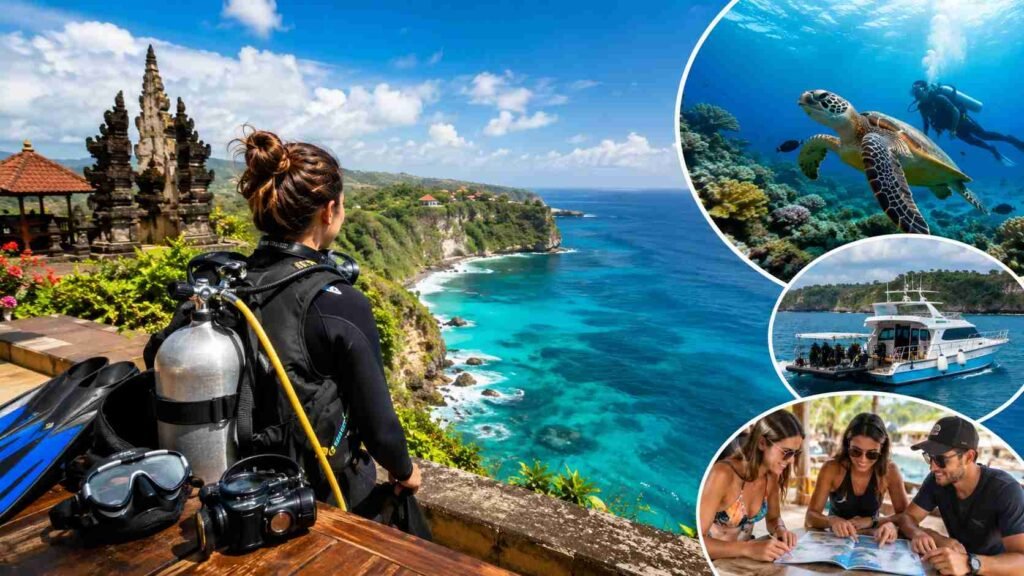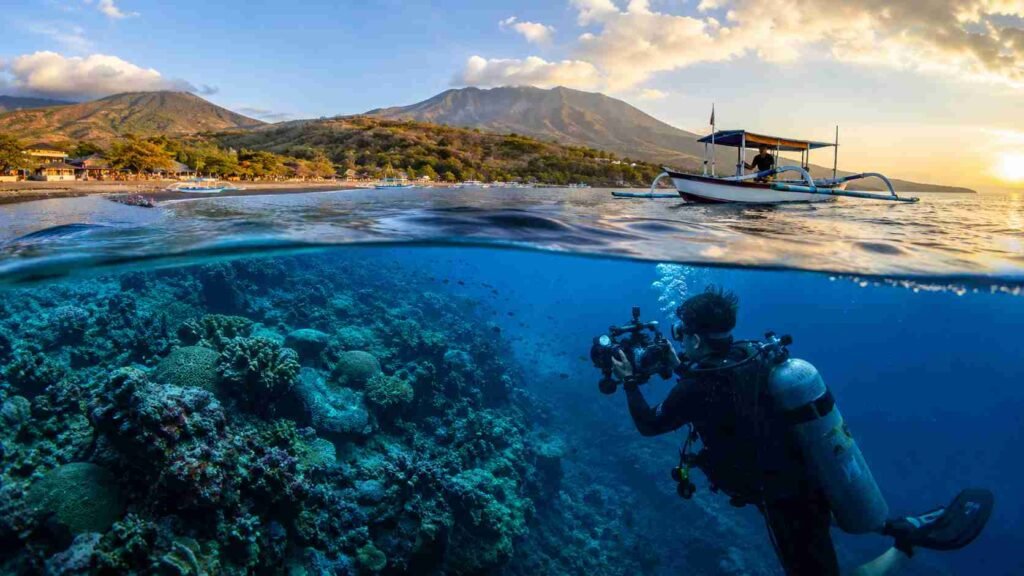
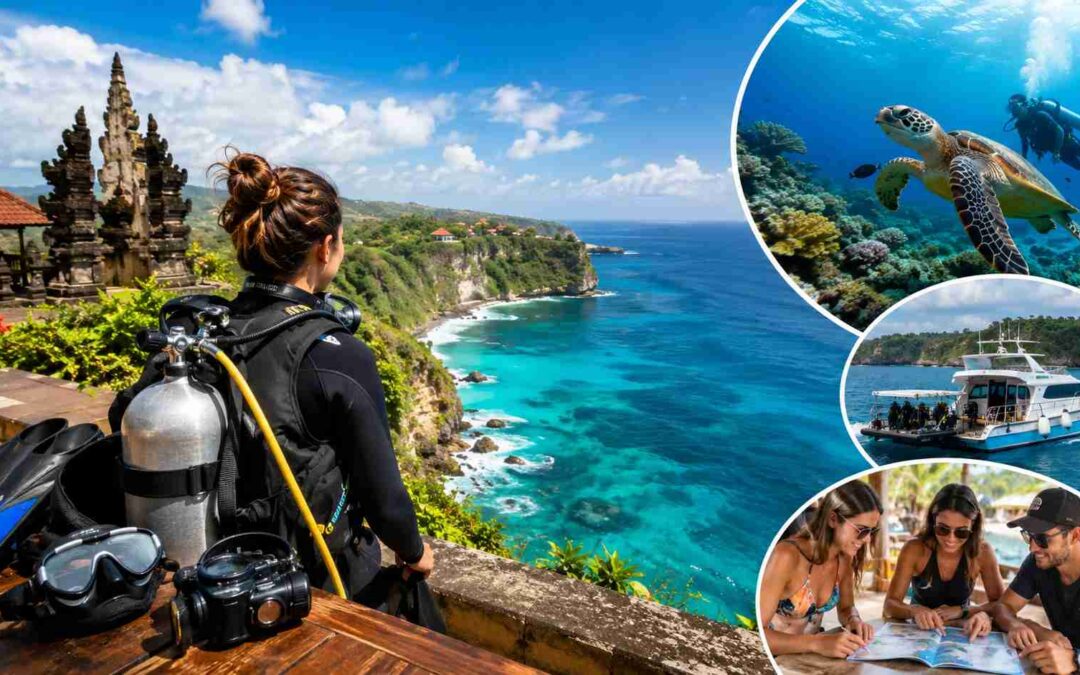
Bali is one of the world's most famous diving destinations, attracting beginners and experienced divers alike with its warm tropical waters, diverse marine life, and spectacular underwater landscapes. This Complete Guide to Diving in Bali for First-Time Visitors will help you understand everything you need to know before your first dive, from choosing the best dive sites and understanding certification requirements to preparing for a safe and unforgettable underwater adventure.
Whether you dream of swimming alongside sea turtles, exploring colorful coral reefs, or discovering historic shipwrecks, Bali offers an incredible range of diving experiences suitable for all skill levels.
Why Bali Is One of the Best Diving Destinations in the World
Bali is surrounded by the rich marine ecosystems of the Indonesian archipelago, which sits within the Coral Triangle. This region contains some of the highest levels of marine biodiversity on Earth.
Visitors can expect:
- Crystal-clear waters in many dive locations
- Colorful coral reefs
- Tropical fish species
- Sea turtles
- Reef sharks
- Manta rays
- Seasonal mola mola (ocean sunfish)
- Shipwreck diving opportunities
- Year-round diving conditions
The island also offers a wide range of dive centers, professional instructors, and beginner-friendly dive sites, making it ideal for first-time divers.
Do You Need a Diving Certification in Bali?
The answer depends on the type of diving experience you want.
Discover Scuba Diving
If you have never dived before, you can join a Discover Scuba Diving program. This introductory experience allows beginners to dive under the direct supervision of a certified instructor without earning a certification.
These programs typically include:
- Basic safety briefing
- Introduction to diving equipment
- Practice skills in shallow water
- Guided open-water dive
Open Water Certification
If you want to dive independently with a buddy in the future, earning an Open Water certification is recommended.
The course usually includes:
- Theory lessons
- Confined water training
- Open water dives
- Final skill assessments
Most courses can be completed within three to four days.
Best Time to Go Diving in Bali
Diving is available throughout the year, but conditions vary depending on the season and location.
April to October
This is generally considered the dry season.
Benefits include:
- Better underwater visibility
- Calmer sea conditions
- Lower rainfall
- Excellent diving opportunities around the island
July to October
This period is famous for sightings of mola mola near Nusa Penida.
Year-Round Manta Ray Encounters
Manta rays can often be seen throughout the year around Nusa Penida, although conditions may vary.
Best Dive Sites in Bali for Beginners
Tulamben
Tulamben is one of Bali's most famous dive destinations and is perfect for first-time divers.
Highlights include:
- Easy shore entry
- Calm conditions
- Excellent visibility
- Diverse marine life
- The famous USAT Liberty Shipwreck
The wreck lies relatively close to shore, making it accessible even for newer divers.
Amed
Amed offers relaxed diving conditions and beautiful coral reefs.
Visitors can enjoy:
- Gentle currents
- Macro marine life
- Coral gardens
- Clear water
This area is ideal for divers who want a peaceful underwater experience.
Padang Bai
Padang Bai features several beginner-friendly dive sites.
Popular attractions include:
- Coral reefs
- Tropical fish
- Blue Lagoon
- White sandy seabeds
The calm conditions make it suitable for those still building confidence underwater.
Advanced Dive Sites to Explore Later
After gaining experience, many divers move on to more challenging locations.
Nusa Penida
Known for:
- Manta rays
- Mola mola
- Strong currents
- Dramatic underwater landscapes
Nusa Lembongan
Offers exciting drift dives and vibrant coral reefs.
Candidasa
Features deeper dive sites and opportunities to encounter larger marine species.
Marine Life You Can See While Diving in Bali
Bali's underwater world is incredibly diverse.
Common sightings include:
- Clownfish
- Butterflyfish
- Angelfish
- Sea turtles
- Moray eels
- Reef sharks
- Lionfish
- Barracuda
- Octopus
- Manta rays
Lucky divers may also encounter dolphins near the surface between dive sites.
What Is the Water Temperature in Bali?
Water temperatures generally range from:
- 26°C to 30°C (79°F to 86°F) in most locations
- 20°C to 25°C (68°F to 77°F) in some southern sites during the mola mola season
Most divers wear:
- 3mm wetsuits in warmer areas
- 5mm wetsuits in cooler locations
Your dive operator can recommend appropriate exposure protection.
Essential Diving Equipment
Most dive centers provide rental equipment.
Standard gear includes:
- Mask
- Snorkel
- Fins
- Buoyancy Control Device (BCD)
- Regulator
- Tank
- Wetsuit
- Weight system
Many experienced divers prefer bringing their own mask and dive computer for comfort and familiarity.
Safety Tips for First-Time Divers
Choose a Reputable Dive Center
Look for:
- Certified instructors
- Well-maintained equipment
- Positive reviews
- Strong safety standards
Stay Hydrated
The tropical climate can lead to dehydration, which may affect diving safety.
Equalize Early and Often
Proper equalization helps prevent ear discomfort and injury.
Never Hold Your Breath
Continuous breathing is one of the most important rules in scuba diving.
Dive Within Your Limits
Always follow your instructor's guidance and avoid exceeding your comfort level.
Read more: Menjangan Island Diving Safety Guide
Can Non-Swimmers Dive in Bali?
Some introductory programs may accept non-swimmers under controlled conditions, but swimming ability is highly recommended.
For certification courses, basic swimming skills are typically required.
Always check the requirements with your chosen dive center before booking.
Read more: Can Non-Swimmers Try Diving in Padang Bai?
How Much Does Diving in Bali Cost?
Prices vary depending on location, dive operator, and package type.
Typical costs include:
- Discover Scuba Diving experiences
- Single fun dives
- Multi-dive packages
- Open Water certification courses
- Equipment rental
Booking multiple dives often reduces the cost per dive.
Read more: What Exposure Protection Do You Need in Nusa Penida?
What to Bring for Your Diving Trip
Before heading to your dive site, pack:
- Swimwear
- Towel
- Reef-safe sunscreen
- Sunglasses
- Change of clothes
- Reusable water bottle
- Waterproof bag
- Certification card if applicable
- Logbook
Avoid applying excessive sunscreen immediately before diving, as it may affect mask sealing.
Read more: Why Menjangan Is Perfect for Relaxed Diving
Common Mistakes First-Time Divers Should Avoid
Many beginner divers make similar mistakes.
These include:
- Descending too quickly
- Forgetting to equalize
- Overusing air due to nervous breathing
- Touching coral reefs
- Chasing marine animals
- Skipping dive briefings
Remaining calm and listening carefully to your instructor will greatly improve your experience.
Read more: Amed Diving for Underwater Photography
Why Diving in Bali Is an Unforgettable Experience
Few destinations combine accessibility, biodiversity, and underwater beauty as successfully as Bali. First-time divers can enjoy calm reefs and shallow training sites, while experienced divers can explore shipwrecks, drift dives, and encounters with some of the ocean's most remarkable creatures.
From the famous USAT Liberty Shipwreck in Tulamben to the manta rays of Nusa Penida, Bali offers unforgettable underwater adventures for every level of diver. With proper preparation and guidance, your first diving experience in Bali can become the beginning of a lifelong passion for exploring the ocean.