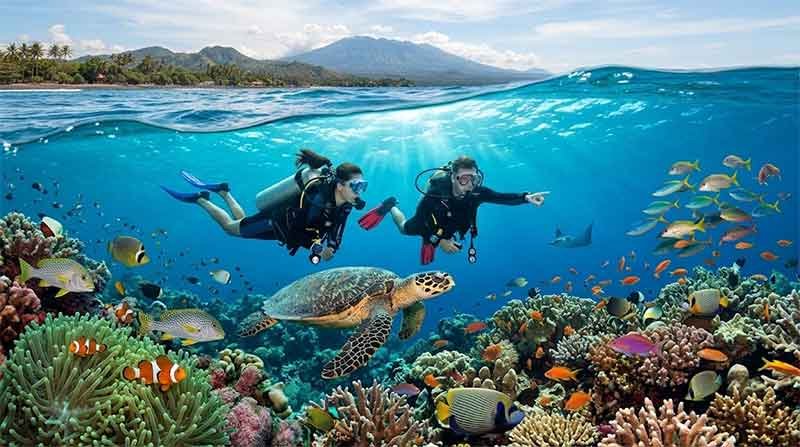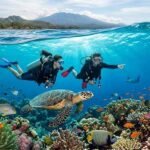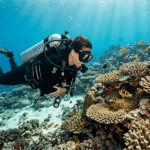
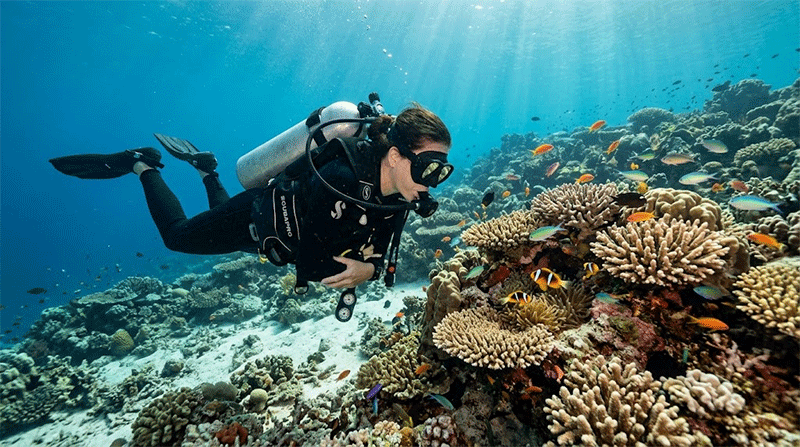
Why Slow Diving Is Better is a principle that experienced divers often recommend to beginners and advanced underwater explorers alike. While it may be tempting to swim quickly to cover more distance or chase marine life, moving slowly beneath the surface creates a safer, more enjoyable, and more rewarding diving experience.
Slow diving helps conserve air, reduces stress, improves buoyancy, protects fragile marine ecosystems, and allows divers to notice incredible underwater details that are easily missed when rushing. Whether you are exploring coral reefs in Bali, wrecks, walls, or macro dive sites, slowing down can completely transform every dive into a memorable adventure.
What Is Slow Diving?
Slow diving refers to maintaining a relaxed swimming pace throughout a dive instead of constantly kicking hard or rushing from one attraction to another. It emphasizes calm breathing, controlled movements, and taking time to observe the underwater world.
Rather than treating a dive like a race, slow diving encourages divers to appreciate every moment beneath the surface. It is a diving philosophy that combines safety, awareness, and environmental responsibility.
Slow Diving Helps You Use Less Air
One of the biggest advantages of slow diving is improved air consumption.
When divers swim quickly, they naturally breathe faster. Faster breathing causes the air cylinder to empty much sooner, reducing total dive time.
By moving slowly:
- Heart rate stays lower.
- Breathing becomes calmer.
- Oxygen consumption decreases.
- Tank pressure lasts longer.
- Bottom time increases.
Many divers are surprised that simply slowing their swimming pace can add several extra minutes to every dive.
Better Buoyancy Control
Excellent buoyancy requires small, gentle body movements.
Fast kicking often causes divers to:
- Rise unexpectedly.
- Sink too quickly.
- Stir up sand.
- Crash into coral.
- Lose balance underwater.
Slow diving gives you more time to make small buoyancy adjustments using your breathing and buoyancy control device (BCD). This creates smoother, more effortless movement through the water.
The result is a dive that feels almost like flying.
You Will See More Marine Life
Many underwater creatures hide from sudden movement.
Fast-moving divers often scare away:
- Reef fish
- Sea turtles
- Octopus
- Frogfish
- Seahorses
- Shrimp
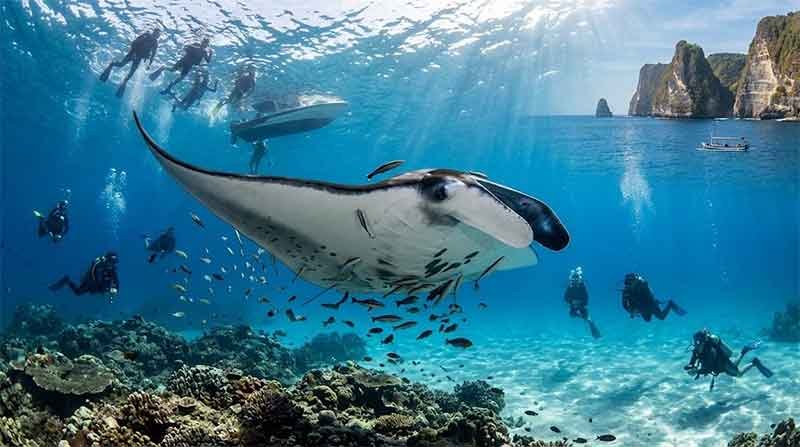
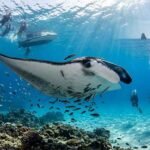
- Rays
When you approach slowly and calmly, marine animals usually continue their natural behavior.
This allows divers to witness:
- Fish cleaning stations
- Octopus hunting
- Shrimp cleaning moray eels
- Sea turtles feeding
- Nudibranch movement
- Schooling fish behavior
Slow diving rewards patience with unforgettable wildlife encounters.
Macro Photography Becomes Easier
Macro diving is impossible to enjoy if you constantly rush.
Tiny underwater creatures often measure only a few centimeters long.
Examples include:
- Pygmy seahorses
- Nudibranchs
- Skeleton shrimp
- Tiny crabs
- Pipefish
- Blennies
A slow approach allows photographers to:
- Focus accurately.
- Avoid frightening subjects.
- Improve composition.
- Capture sharp images.
- Wait for perfect behavior.
Professional underwater photographers often spend several minutes with a single subject.
Improve Underwater Awareness
Slow diving allows you to pay attention to everything happening around you.
Instead of looking only ahead, you begin noticing:
- Your depth
- Air supply
- Dive buddy location
- Current direction
- Marine life
- Navigation references
- Coral formations
Greater awareness reduces the chance of becoming disoriented or separated from your dive group.
Reduce Stress and Anxiety
Many new divers accidentally rush because they feel nervous.
Swimming faster actually creates more stress because it causes:
- Faster breathing
- Increased heart rate
- Higher air consumption
- Fatigue
- Less control
Slowing down has the opposite effect.
Calm movements naturally create calm breathing, making the entire dive feel more comfortable.
Many instructors encourage anxious divers to pause, breathe slowly, and continue at a relaxed pace.
Protect Coral Reefs
Coral reefs are living animals that grow extremely slowly.
Some coral colonies take decades—or even centuries—to reach their current size.
Fast divers are more likely to:
- Kick coral.
- Break delicate branches.
- Stir sand over coral.
- Accidentally touch marine life.
Slow diving helps divers maintain better control and minimize environmental impact.
Protecting coral ensures future generations can enjoy healthy reefs.
Less Sediment Means Better Visibility
When divers kick too hard near the bottom, they disturb sand and silt.
This creates cloudy water that:
- Reduces visibility.
- Makes photography difficult.
- Disturbs marine habitats.
- Can affect the entire dive group.
Slow, controlled fin kicks help keep the water clear.
Good visibility benefits everyone underwater.
Easier Communication with Your Dive Buddy
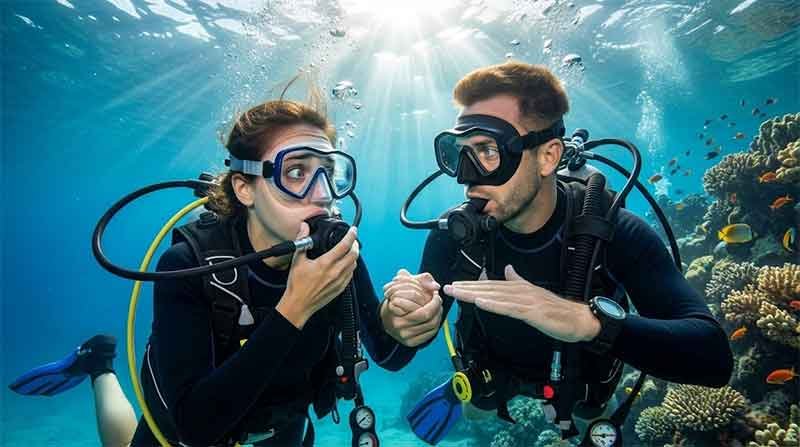
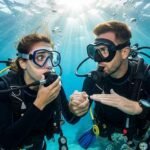
A relaxed pace makes buddy communication much easier.
You'll have more opportunities to:
- Exchange hand signals.
- Point out marine life.
- Confirm air pressure.
- Adjust navigation.
- Stay close together.
Fast swimming often separates buddies unnecessarily.
Slow diving keeps the team connected throughout the dive.
Improve Underwater Navigation
When rushing, divers often become focused only on reaching the next destination.
This can cause them to lose track of:
- Compass direction
- Boat location
- Shore entry point
- Reef structure
- Exit route
Moving slowly gives your brain more time to process navigation cues, making dives safer and reducing the risk of getting lost.
Save Energy for Longer Dive Days
If you're planning multiple dives in one day, conserving energy becomes important.
Fast swimming can lead to:
- Leg fatigue
- Muscle cramps
- Increased dehydration
- Faster exhaustion
Slow diving helps preserve energy so you remain comfortable throughout the day.
Many dive professionals dive several times daily by maintaining a relaxed pace instead of expending unnecessary energy.
Better Chances to Spot Rare Creatures
Many underwater species rely on camouflage.
Some examples include:
- Leaf scorpionfish
- Stonefish
- Ghost pipefish
- Frogfish
- Pygmy seahorses
- Decorator crabs
These animals are almost invisible unless you slow down and carefully observe your surroundings.
Many divers complete an entire dive without realizing they swam past dozens of fascinating creatures.
Safer Ascents
The benefits of slow diving continue during ascent.
A slow ascent helps:
- Reduce decompression stress.
- Allow expanding air to escape safely.
- Maintain buoyancy control.
- Complete safety stops comfortably.
Rushing to the surface increases unnecessary risk.
Most dive organizations recommend ascending no faster than the recommended maximum ascent rate while completing an appropriate safety stop.
Slow Diving Builds Better Skills
Experienced divers often appear effortless underwater.
This isn't because they are stronger swimmers.
Instead, they have mastered:
- Neutral buoyancy
- Trim
- Controlled breathing
- Efficient finning
- Situational awareness
These skills develop naturally when divers slow down and focus on technique rather than speed.
Mental Benefits of Slow Diving
Many people describe scuba diving as a form of underwater meditation.
The peaceful environment encourages:
- Mindfulness
- Relaxation
- Stress relief
- Mental clarity
- Connection with nature
By slowing down, divers can fully appreciate the silence and beauty of the underwater world instead of feeling rushed.
Slow Diving Is Ideal for Every Experience Level
Beginners
New divers gain confidence, improve buoyancy, and reduce anxiety.
Intermediate Divers
They refine air consumption, navigation, and underwater awareness.
Advanced Divers
They discover more marine life, improve photography, and dive with greater efficiency.
Regardless of certification level, slow diving remains one of the most valuable habits a diver can develop.
Practical Tips for Slowing Down Underwater
Focus on Breathing
Take slow, deep, relaxed breaths instead of short, rapid breaths.
Shorten Your Fin Kicks
Use gentle, efficient kicks rather than constant powerful movements.
Pause Frequently
Stop occasionally to look around instead of continuously swimming.
Watch Marine Life
Spend several minutes observing one interesting creature rather than searching for the next.
Stay Neutrally Buoyant
Avoid unnecessary movement by maintaining proper buoyancy throughout the dive.
Follow Your Dive Guide
Professional guides often move slowly because they know where to find hidden marine life and how to approach it without causing disturbance.
Common Mistakes Divers Make
Many divers unknowingly rush because they:
- Chase fish.
- Swim against strong currents unnecessarily.
- Kick too hard.
- Ignore breathing patterns.
- Try to cover too much distance.
- Become overly excited.
Recognizing these habits is the first step toward becoming a calmer, more efficient diver.
Conclusion
Why Slow Diving Is Better goes far beyond simply swimming at a relaxed pace. It improves safety, extends bottom time, conserves air, enhances buoyancy, reduces stress, protects coral reefs, and allows divers to experience far more of the underwater world. By slowing down, you will notice incredible marine life, enjoy clearer visibility, communicate better with your dive buddy, and develop stronger diving skills over time. Whether you are exploring vibrant coral reefs, historic wrecks, or world-famous dive sites, embracing slow diving will make every underwater adventure safer, richer, and significantly more enjoyable.
Related Posts: