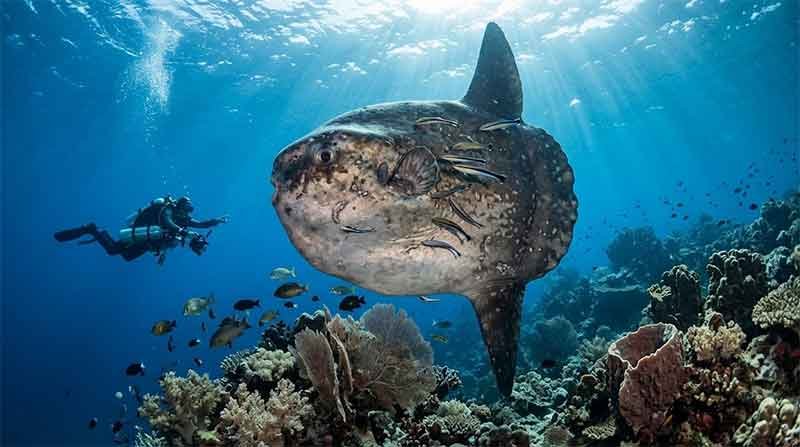
Where to See Mola Mola in Bali is one of the most searched topics among divers planning a trip to Indonesia. Bali is one of the few places in the world where divers have a realistic chance of encountering the magnificent Mola Mola, also known as the ocean sunfish. These gentle giants are famous for their enormous size, unusual appearance, and seasonal visits to the deep reefs surrounding Bali. Every year, thousands of underwater photographers and scuba enthusiasts travel to the island hoping to witness this incredible marine creature in its natural habitat.
Unlike many tropical fish, Mola Mola spend most of their lives in deep, cold ocean waters. During specific months, they rise to shallower depths where cleaner fish remove parasites from their skin. This unique behavior provides divers with a rare opportunity to observe one of the ocean's most mysterious species up close.
If you're planning a diving holiday, understanding where to see Mola Mola in Bali, the best season, and how to prepare will greatly increase your chances of an unforgettable underwater experience.
Why Bali Is Famous for Mola Mola Diving
Bali sits at the meeting point of the Indian Ocean and the Indonesian Throughflow, creating nutrient-rich waters that support exceptional marine biodiversity. The seasonal upwellings bring colder water from the deep ocean, attracting Mola Mola to cleaning stations around offshore islands.
These unique ocean conditions make Bali one of the world's premier destinations for Mola Mola encounters.
Reasons divers choose Bali include:
- Reliable seasonal sightings
- Healthy coral reef ecosystems
- Crystal-clear visibility during the dry season
- Professional dive operators
- Easy access from major tourist destinations
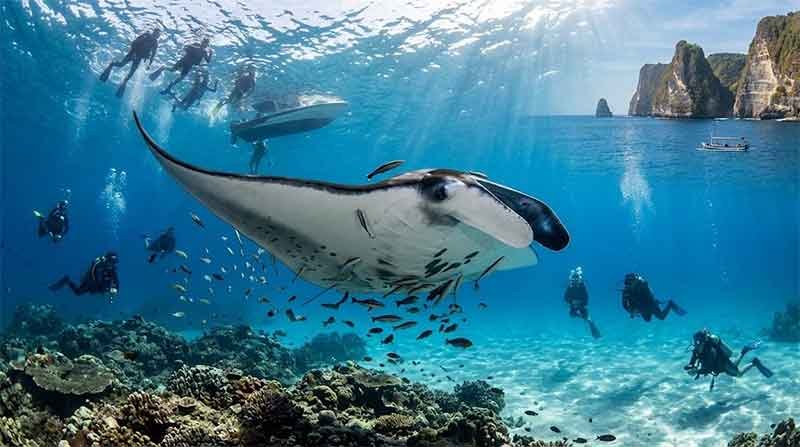
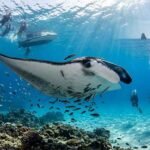
- Opportunities to combine Mola Mola dives with manta ray encounters
Few destinations offer such diverse marine life within short boat rides from shore.
What Is a Mola Mola?
The Mola Mola (Ocean Sunfish) is the world's heaviest bony fish. Adults commonly weigh between 500 and 1,500 kilograms, while some exceptional individuals exceed 2,000 kilograms.
Characteristics include:
- Flat, disc-shaped body
- Small mouth
- Tall dorsal and anal fins
- Tiny eyes compared to body size
- Silver-gray skin
- Slow and graceful swimming style
Despite their massive size, Mola Mola feed mainly on jellyfish, salps, squid, and other soft-bodied marine animals.
Their peaceful nature makes encounters especially memorable for divers.
Best Places Where to See Mola Mola in Bali
Nusa Penida
Nusa Penida is by far the best location for spotting Mola Mola in Bali.
The island lies southeast of mainland Bali and features dramatic underwater cliffs, deep drop-offs, and powerful currents that attract ocean sunfish every year.
Popular dive sites include:
- Crystal Bay
- Blue Corner
- Toyapakeh
- SD Point
- Ped
Crystal Bay is the most famous Mola Mola dive site because of its cleaning stations located between 20 and 40 meters.
Divers often descend to deeper areas and patiently wait for the fish to approach the reef.
Crystal Bay
Crystal Bay has earned worldwide recognition for seasonal Mola Mola sightings.
Why it's famous:
- Frequent cleaning stations
- Excellent visibility
- Healthy coral reef
- High probability during the season
- Suitable for experienced divers
Although the bay appears calm on the surface, underwater currents can change rapidly, making experience important.
Blue Corner
Blue Corner is considered one of Bali's advanced dive sites.
Conditions include:
- Strong currents
- Deep reef walls
- Excellent pelagic activity
- Chance of multiple Mola Mola sightings
Besides sunfish, divers often encounter:
- Reef sharks
- Giant trevally
- Tuna
- Eagle rays
- Schools of barracuda
Toyapakeh
Toyapakeh offers colorful reefs combined with occasional Mola Mola encounters.
Highlights include:
- Vibrant coral gardens
- Large schools of reef fish
- Clear visibility
- Healthy marine ecosystem
Although sightings are less predictable than Crystal Bay, lucky divers may still encounter these giants during the season.
SD Point
SD Point is another excellent drift dive where Mola Mola occasionally appear.
This site features:
- Coral slopes
- Large reef fish
- Turtle sightings
- Excellent macro life
- Seasonal pelagic visitors
Experienced guides know where cleaning stations are located and maximize your chances.
Best Time to See Mola Mola in Bali
Timing is everything when searching for Mola Mola.
The peak season generally runs from:
July to October
These months provide the highest probability of encounters due to colder upwelling water.
Many dive centers report frequent sightings throughout this period.
August and September
These are often considered the absolute best months.
Water temperatures may drop to:
- 18°C to 23°C
The cooler temperatures encourage Mola Mola to visit reef cleaning stations more regularly.
Water Conditions During Mola Mola Season
Divers should expect changing conditions.
Typical conditions include:
- Visibility: 15–30 meters
- Water temperature: 18–27°C
- Moderate to strong currents
- Occasional thermoclines
- Calm mornings
A thicker wetsuit is highly recommended because temperatures can change dramatically during a dive.
Cleaning Stations Explained
One fascinating aspect of Mola Mola behavior is their visit to cleaning stations.
Small reef fish remove:
- Parasites
- Dead skin
- External organisms
During this cleaning process, Mola Mola often remain nearly motionless, allowing divers to observe them respectfully from a safe distance.
Patience is essential, as these encounters cannot be rushed.
Diving Experience Required
Most Mola Mola dive sites are recommended for:
- Advanced Open Water divers
- Experienced drift divers
- Divers comfortable with currents
Some dive operators require:
- 20–50 logged dives
- Drift diving experience
- Good buoyancy control
Because the fish often appear below 20 meters, proper training is important.
Equipment Recommendations
Bring equipment suitable for deeper dives.
Recommended gear includes:
- 5mm wetsuit
- Hood (optional)
- Gloves if permitted
- Dive computer
- SMB (Surface Marker Buoy)
- Reef hook if your guide recommends one
- Underwater camera
- Anti-fog solution
Cold thermoclines can surprise even experienced tropical divers.
Photography Tips
Capturing Mola Mola requires preparation.
Helpful tips:
Stay Patient
Do not chase the fish.
Remain still and let it approach naturally.
Use Wide-Angle Lenses
The fish can exceed three meters in height, making wide-angle lenses ideal.
Control Buoyancy
Avoid stirring sediment while hovering near cleaning stations.
Respect Marine Life
Never block the Mola Mola's path or interfere with cleaning behavior.
Responsible diving benefits both divers and wildlife.
Other Marine Life You May See
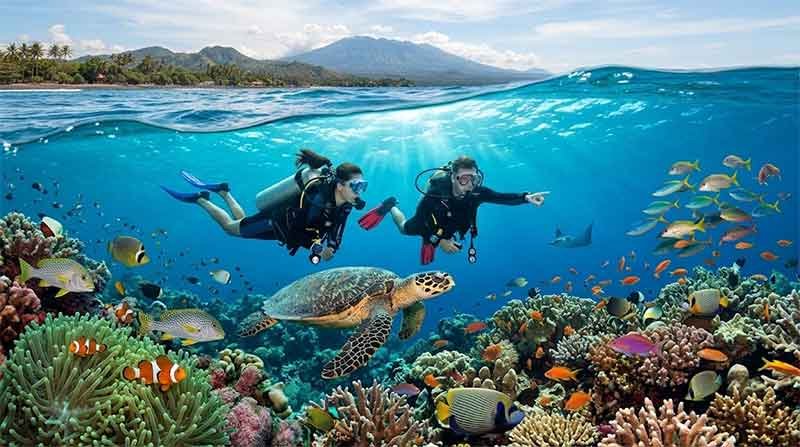
Even if Mola Mola remain elusive, Bali's reefs offer incredible biodiversity.
Common sightings include:
- Manta rays
- Green turtles
- Hawksbill turtles
- Reef sharks
- Napoleon wrasse
- Giant trevally
- Barracuda
- Moray eels
- Octopus
- Nudibranchs
- Frogfish
- Leaf scorpionfish
- Pygmy seahorses
- Blue-spotted stingrays
Every dive offers something unique.
Safety Tips for Mola Mola Diving
Ocean conditions around Nusa Penida can be unpredictable.
Always:
- Dive with experienced local guides
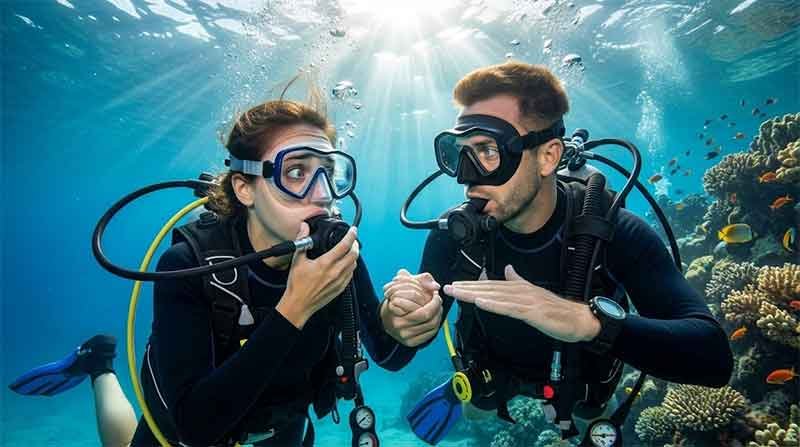
- Listen carefully during briefings
- Stay close to your buddy
- Monitor your depth
- Watch your air consumption
- Avoid descending beyond certification limits
- Respect current conditions
Safety should always take priority over photography.
Responsible Wildlife Interaction
Mola Mola are protected by responsible diving practices.
Divers should:
- Keep a respectful distance
- Never touch the fish
- Avoid flash photography at close range
- Maintain neutral buoyancy
- Follow the dive guide's instructions
- Avoid crowding cleaning stations
Sustainable tourism helps preserve these amazing animals for future generations.
Can Beginners See Mola Mola?
It depends.
While beginner divers can visit Bali during Mola Mola season, most actual Mola Mola dive sites involve:
- Strong currents
- Deep profiles
- Advanced buoyancy requirements
New divers are encouraged to gain experience before attempting these dives.
Some operators may recommend completing additional drift diving training first.
Combining Mola Mola and Manta Ray Diving
Many divers schedule multiple days around Nusa Penida.
A typical itinerary includes:
Day 1
- Manta Point
- Coral reef dives
Day 2
- Crystal Bay
- Blue Corner
- SD Point
This combination offers opportunities to see two of Bali's most iconic marine animals during one diving holiday.
Why Divers Travel from Around the World
Mola Mola encounters are considered one of scuba diving's greatest experiences.
Unlike aquarium sightings, observing a giant ocean sunfish emerging from the blue is unforgettable.
Combined with Bali's:
- Affordable diving
- Warm hospitality
- Beautiful landscapes
- Excellent dive infrastructure
- Rich marine biodiversity
it's easy to understand why Bali consistently ranks among the world's best diving destinations.
Conclusion
Where to See Mola Mola in Bali is a question with an exciting answer: the waters around Nusa Penida, particularly Crystal Bay, Blue Corner, Toyapakeh, and SD Point, provide some of the best opportunities on Earth to encounter these extraordinary ocean giants. The ideal season from July to October offers cooler waters that bring Mola Mola to reef cleaning stations, creating unforgettable experiences for qualified divers. By diving with experienced professionals, respecting marine life, and choosing the right season, you can maximize your chances of witnessing one of the ocean's most remarkable creatures. Whether you are an underwater photographer or simply passionate about marine wildlife, seeing a Mola Mola in Bali is an adventure that will remain a highlight of your diving journey for years to come.
Related Posts: