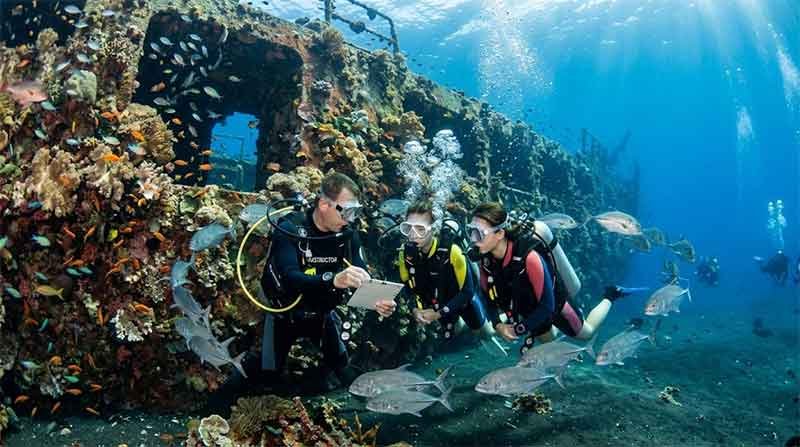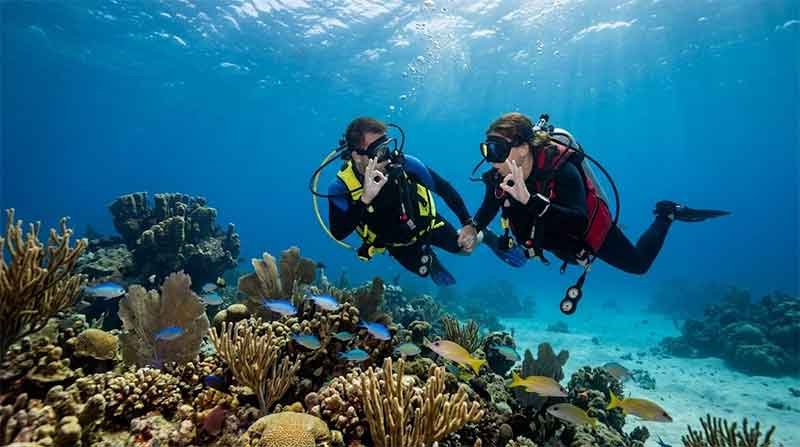
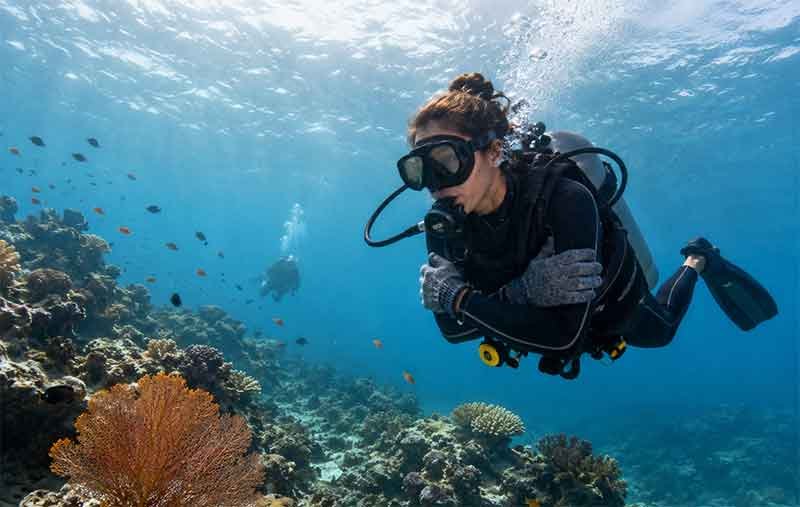
Staying Warm Underwater in Bali is an important topic for every diver, whether you are taking your first scuba diving course or planning multiple dives around the island. Although Bali is famous for its tropical climate and warm beaches, the water temperature can vary significantly depending on the dive location and the season. Staying comfortable underwater not only makes your dive more enjoyable but also helps you conserve energy, improve air consumption, and maintain focus throughout the dive. Understanding how to stay warm while diving in Bali will help you enjoy longer, safer, and more relaxing underwater adventures.
Why Divers Feel Cold Even in Tropical Waters
Many first-time visitors assume Bali's ocean will feel as warm as the air temperature. While surface temperatures are pleasant, water removes body heat much faster than air. Even in water between 26°C and 29°C (79°F to 84°F), divers can gradually lose body heat during a long dive.
Several factors affect how quickly you become cold:
- Water temperature
- Dive duration
- Number of dives per day
- Body fat percentage
- Individual metabolism
- Wind exposure after the dive
- Wet wetsuit between dives
Some divers naturally tolerate cooler water better than others, making proper preparation essential.
Water Temperatures Around Bali
Different dive sites have different water temperatures throughout the year.
Nusa Penida
Nusa Penida is famous for manta rays and mola mola, but it also experiences colder water due to deep ocean currents.
Typical temperatures include:
- 20°C–24°C (68°F–75°F) during the mola mola season
- 24°C–27°C (75°F–81°F) during warmer months
Cold upwellings can appear suddenly even during otherwise warm dives.
Tulamben
Tulamben generally enjoys stable temperatures.
Average water temperatures:
- 27°C–29°C (81°F–84°F)
This makes it one of Bali's more comfortable dive destinations throughout much of the year.
Padang Bai
Padang Bai experiences seasonal cooling caused by ocean currents.
Typical range:
- 23°C–28°C (73°F–82°F)
Certain sites can feel noticeably colder than others.
Menjangan Island
Menjangan is known for calm conditions and relatively warm water.
Typical temperatures:
- 27°C–29°C (81°F–84°F)
Many divers find Menjangan comfortable even during multiple dives.
Choose the Right Wetsuit
Your wetsuit is your primary protection against heat loss.
3mm Wetsuit
Suitable for:
- Warm months
- Short dives
- Divers who rarely feel cold
Advantages:
- Lightweight
- Flexible
- Comfortable movement
5mm Wetsuit
Recommended for:
- Multiple dives
- Cooler months
- Nusa Penida diving
- Divers who become cold easily
Benefits include:
- Better insulation
- Greater comfort
- Longer enjoyable dives
Many experienced divers visiting Bali prefer a 5mm wetsuit because it offers versatility across different dive sites.
Wear a Hood if Needed
Many divers underestimate how much warmth escapes through the head.
A thin neoprene hood can:
- Reduce heat loss
- Increase comfort
- Make cold currents more manageable
- Improve enjoyment during longer dives
This is especially useful when diving around Nusa Penida.
Consider Gloves and Boots
Depending on local regulations and environmental policies, neoprene boots and gloves may be appropriate.
Benefits include:
- Better warmth
- Extra comfort
- Protection during shore entries
- Reduced heat loss through hands and feet
Always follow local dive center policies regarding glove use to help protect marine life.
Stay Hydrated Before Diving
Hydration affects more than just overall health.
Proper hydration helps:
- Improve circulation
- Reduce fatigue
- Maintain body temperature
- Lower the risk of decompression-related problems
Drink plenty of water before and after every dive.
Avoid excessive alcohol the night before diving, as dehydration can make you feel colder underwater.
Eat a Good Meal Before Diving
Your body needs energy to produce heat.
A balanced meal containing:
- Complex carbohydrates
- Lean protein
- Healthy fats
can help your body maintain warmth throughout the dive.
Avoid diving on an empty stomach.
Limit Surface Cooling
Many divers become colder between dives than during the dive itself.
After surfacing:
- Remove your wetsuit if practical
- Dry yourself thoroughly
- Wear a towel or dry robe
- Put on a windproof jacket
- Stay out of strong wind
Keeping warm on the boat helps maintain your core temperature for the next dive.
Shorten Long Dives if Necessary
There is no rule saying every dive must last as long as possible.
If you begin to shiver or feel uncomfortably cold:
- Signal your buddy.
- Inform your dive guide.
- End the dive safely.
Comfort contributes to safe diving.
Use Proper Weighting
Carrying excessive weight requires more effort underwater.
Overweighting can:
- Increase air consumption
- Cause fatigue
- Make you colder
- Reduce buoyancy control
A proper weight check before diving improves comfort and efficiency.
Stay Relaxed Underwater
Stress increases breathing rate and energy use.
Calm, slow breathing helps:
- Reduce air consumption
- Lower physical effort
- Improve buoyancy
- Conserve body heat
Experienced divers often stay warmer simply because they move efficiently.
Plan Your Diving Schedule
If you're planning several dives over consecutive days, consider the order of dive sites.
For example:
- Begin with warmer locations such as Menjangan or Tulamben.
- Schedule colder dives at Nusa Penida when you are well-rested.
- Avoid excessive physical exhaustion between diving days.
Good planning helps maintain comfort throughout your diving holiday.
Pack Extra Warm Clothing
Even though Bali is tropical, mornings on dive boats can feel surprisingly cool.
Useful items include:
- Lightweight hoodie
- Dry towel
- Warm hat
- Windbreaker
- Dry change of clothes
These simple items greatly improve comfort after diving.
Listen to Your Body
Everyone reacts differently to water temperature.
Signs that you are becoming too cold include:
- Continuous shivering
- Reduced hand dexterity
- Difficulty concentrating
- Fatigue
- Slower movements
Never ignore these symptoms. Inform your dive guide if you become uncomfortable.
Choosing the Right Dive Operator
A professional dive operator helps you stay comfortable by providing:
- Well-maintained wetsuits
- Proper wetsuit sizing
- Site recommendations based on seasonal temperatures
- Safe dive planning
- Experienced dive guides familiar with local conditions
If you're unsure what exposure protection to bring, ask your dive center before your trip. They can recommend the most suitable equipment for the season and dive locations you plan to visit.
Frequently Asked Questions
Is Bali water always warm?
No. While many dive sites are warm, locations such as Nusa Penida can become much cooler due to seasonal upwellings and deep ocean currents.
What wetsuit is best for Bali?
A 5mm wetsuit is a versatile choice for most divers, especially if you plan to dive multiple sites or visit cooler areas like Nusa Penida. A 3mm wetsuit is often sufficient during warmer months and at warmer dive locations.
Why do I get cold after my second dive?
Your body loses heat gradually with each dive. Surface intervals, wind exposure, and wearing a wet wetsuit between dives can make subsequent dives feel colder.
Should beginners worry about getting cold?
Yes. New divers often move more underwater and may use more energy, which can increase heat loss. Wearing the appropriate exposure protection helps improve comfort and confidence.
Does staying warm improve air consumption?
Indirectly, yes. Comfortable divers tend to breathe more slowly, remain relaxed, and use less energy, which often leads to better air consumption.
Conclusion
Staying Warm Underwater in Bali is about more than comfort—it contributes to safer, more enjoyable diving experiences. Choosing the right wetsuit, staying hydrated, eating well, protecting yourself from wind between dives, and selecting equipment appropriate for each dive site can make a noticeable difference. Whether you're exploring the USAT Liberty Wreck in Tulamben, drifting alongside manta rays in Nusa Penida, or enjoying the colorful reefs of Menjangan and Padang Bai, staying warm allows you to focus on Bali's incredible marine life rather than the temperature. With good preparation and guidance from an experienced dive operator, you can enjoy every dive in Bali comfortably throughout the year.
Related Posts: