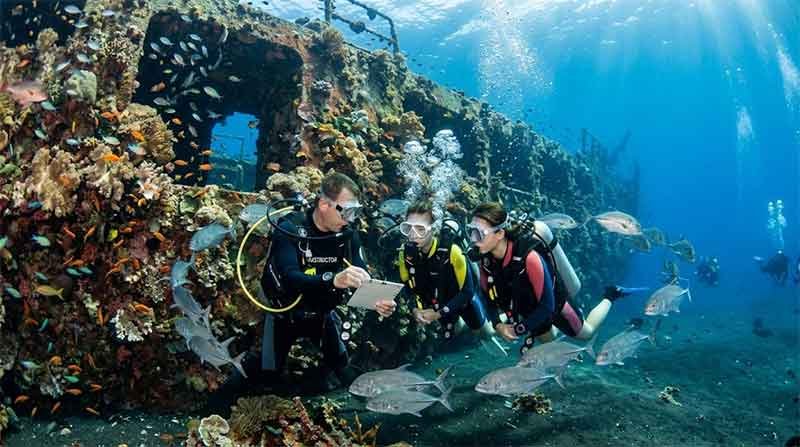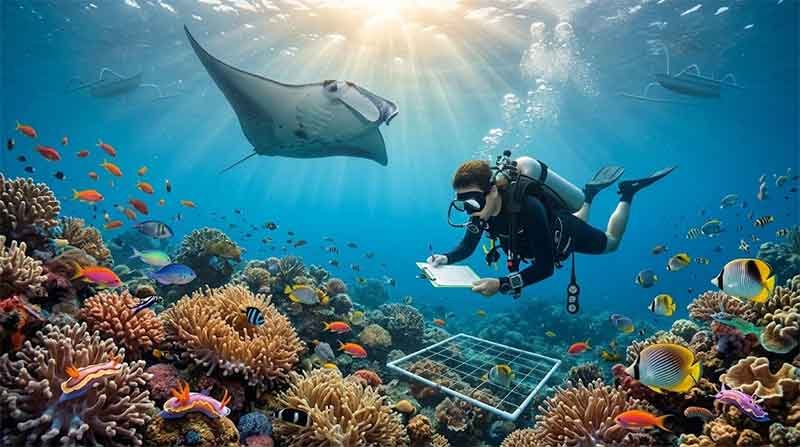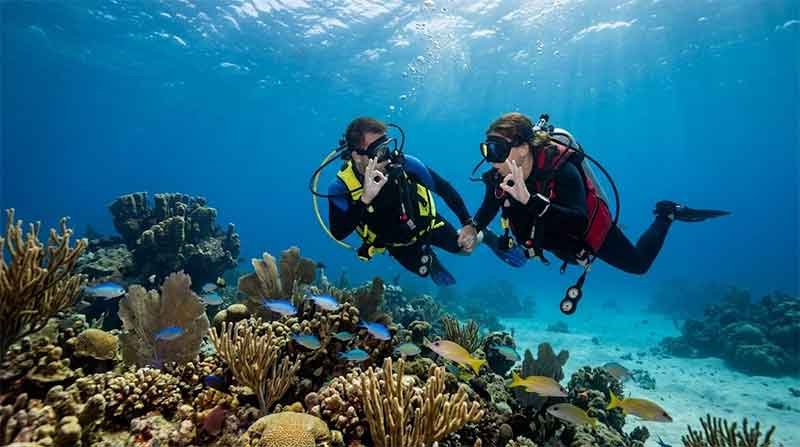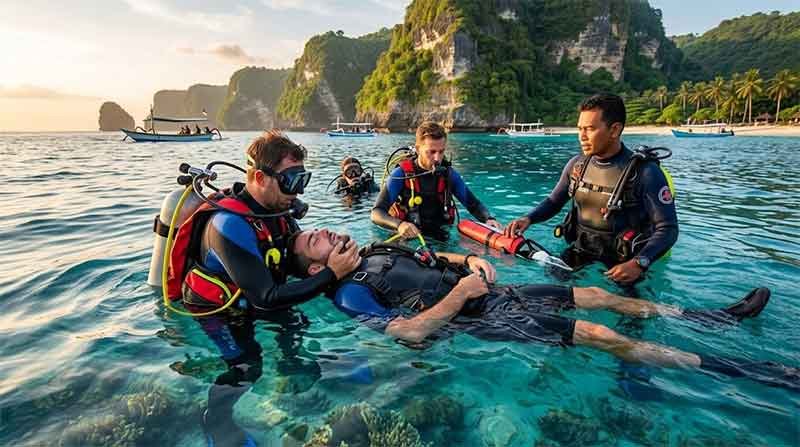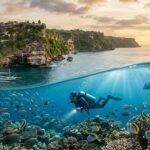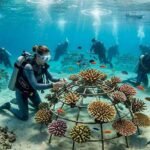
What Gear Do You Need to Dive in Bali? If you are planning a scuba diving trip to Bali, having the right diving equipment is essential for safety, comfort, and enjoying every underwater moment. Bali is home to world-famous dive sites such as Tulamben, Nusa Penida, Padang Bai, Amed, and Menjangan Island, each offering different water conditions. Whether you are a beginner taking your first dive or an experienced diver exploring deep walls and drift dives, understanding what gear you need will help you prepare for an unforgettable diving adventure in Bali.
Many visitors choose to rent their equipment from professional dive centers, while others prefer bringing their own personal gear for maximum comfort and familiarity. This guide explains every essential piece of scuba diving equipment, optional accessories, and practical recommendations for diving in Bali.
Why the Right Dive Gear Matters
Scuba diving is more enjoyable when your equipment fits correctly and functions properly. Well-maintained gear improves buoyancy, reduces stress underwater, and allows you to focus on marine life instead of adjusting uncomfortable equipment.
Proper dive gear also helps you:
- Stay comfortable during long dives.
- Improve underwater breathing.
- Maintain neutral buoyancy.
- Reduce air consumption.
- Increase safety.
- Protect yourself from cold water, currents, and sharp coral.
Although Bali has warm tropical waters, different dive sites require slightly different equipment depending on the season and location.
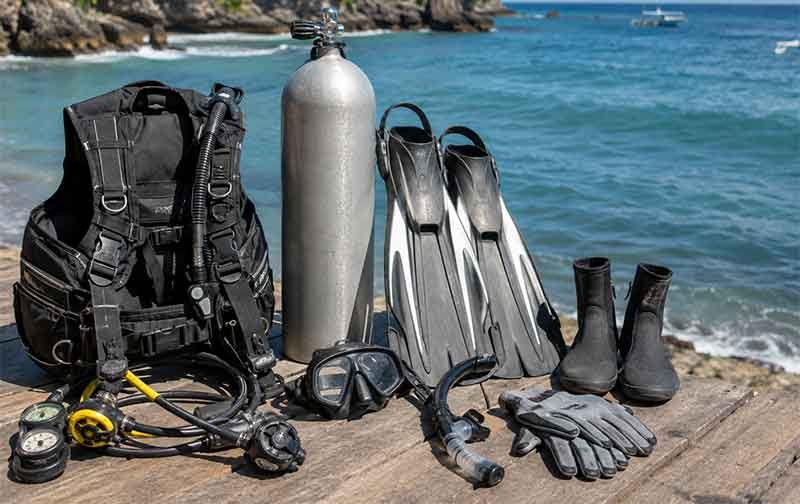
Essential Scuba Diving Equipment
Dive Mask
A quality dive mask is one of the most important pieces of equipment. Your mask creates an air space that allows you to see clearly underwater.
Look for:
- Tempered glass lenses
- Soft silicone skirt
- Comfortable fit
- Low internal volume
- Adjustable strap
A properly fitting mask should seal naturally against your face without excessive pressure.
Snorkel
Although scuba divers spend most of the dive underwater, a snorkel is useful while waiting on the surface or swimming back to the boat.
A good snorkel should have:
- Comfortable mouthpiece
- Flexible tube
- Purge valve (optional)
- Splash guard
Many divers attach the snorkel directly to their mask.
Fins
Fins provide efficient propulsion while reducing energy consumption.
Common types include:
Full Foot Fins
Ideal for warm water and usually worn without boots.
Open Heel Fins
Used with neoprene dive boots. These are more versatile and commonly used by dive centers in Bali.
Strong currents around Nusa Penida often make open heel fins the preferred choice.
Wetsuit
Bali's water temperatures generally range between:
- 26°C to 30°C (79°F to 86°F)
Even in warm water, divers lose body heat over time.
Most divers wear:
- 3 mm wetsuit
- 5 mm wetsuit during cooler months
- Dive skin for very warm conditions
At sites like Nusa Penida, temperatures can occasionally drop below 23°C (73°F), especially during the dry season due to upwellings.
Buoyancy Control Device (BCD)
The BCD helps divers control buoyancy throughout the dive.
Functions include:
- Holding the scuba tank
- Inflating and deflating underwater
- Maintaining neutral buoyancy
- Floating comfortably at the surface
Modern BCDs include multiple D-rings for attaching accessories.
Regulator
The regulator allows you to breathe compressed air from the scuba tank.
A complete regulator system includes:
- Primary second stage
- Alternate air source (octopus)
- First stage
- Low-pressure inflator hose
- Submersible pressure gauge
Many dive centers in Bali maintain regulators to international safety standards.
Scuba Tank
Scuba tanks are normally supplied by the dive operator.
Common sizes include:
- Aluminum 80 cubic feet
- Steel tanks
- Larger capacity tanks for divers with higher air consumption
Tanks are filled with compressed air, while Nitrox may also be available for certified divers.
Dive Computer
A dive computer is strongly recommended for every diver.
It monitors:
- Depth
- Dive time
- No-decompression limits
- Ascent rate
- Surface interval
Using a dive computer greatly improves dive safety compared to relying solely on dive tables.
Weight System
Weights help offset the positive buoyancy of your body and wetsuit.
Weight systems may include:
- Integrated BCD weights
- Weight belts
- Trim pockets
The amount of weight depends on:
- Body composition
- Wetsuit thickness
- Tank material
- Water salinity
Your dive guide will help determine the correct amount.
Dive Boots
Dive boots protect your feet while:
- Walking on rocky beaches
- Boarding boats
- Wearing open heel fins
A 3 mm to 5 mm neoprene boot is ideal for most Bali diving conditions.
Surface Marker Buoy (SMB)
An SMB is an important safety device, especially during boat dives and drift dives.
It helps boats locate divers during ascent and surface intervals.
Experienced divers often carry:
- Delayed SMB
- Finger spool or reel
These are especially valuable when diving around Nusa Penida.
Dive Knife or Cutting Tool
A small cutting device is useful for emergencies involving:
- Fishing line
- Rope
- Nets
It is rarely used but can be an important safety item.
Underwater Torch
A dive light is useful even during daytime dives.
Benefits include:
- Restoring natural colors underwater
- Looking inside crevices
- Night diving
- Wreck diving
A bright LED torch with long battery life is ideal.
Reef Hook
Some advanced dive sites with stronger currents allow certified divers to use reef hooks responsibly.
These help divers remain stationary while observing large pelagic fish without excessive finning.
Always follow your dive guide's instructions before using one.
Optional Accessories Worth Bringing
Many divers enjoy bringing additional personal gear.
Popular accessories include:
- Underwater camera
- Action camera
- Spare mask strap
- Anti-fog solution
- Dry bag
- Waterproof logbook
- Dive watch
- Waterproof phone case
- Microfiber towel
- Reusable water bottle
These items improve convenience throughout your dive holiday.
Should You Bring Your Own Dive Gear?
There are advantages to bringing personal equipment.
Benefits
- Familiar fit
- Greater comfort
- Better hygiene
- Consistent performance
- Saves rental costs on multiple dive trips
Possible Drawbacks
- Extra luggage weight
- Airline baggage fees
- Equipment maintenance responsibilities
Many visiting divers choose to bring their own:
- Mask
- Fins
- Dive computer
Then rent:
- BCD
- Regulator
- Tank
- Weights
This combination offers comfort while reducing travel weight.
Renting Dive Equipment in Bali
Professional dive centers throughout Bali offer complete rental packages.
Rental equipment is typically inspected regularly and includes:
- Mask
- Fins
- Wetsuit
- BCD
- Regulator
- Tank
- Weights
Before diving, always check:
- Mask seal
- Regulator breathing performance
- BCD inflation
- Tank pressure
- Hose condition
- Fin straps
Never hesitate to request replacement equipment if something feels uncomfortable.
Dive Gear for Different Bali Dive Sites
Tulamben
Tulamben offers calm conditions ideal for beginners.
Recommended gear:
- 3 mm wetsuit
- Standard fins
- Dive computer
- Torch for the Liberty Wreck
Nusa Penida
Known for strong currents and larger marine life.
Recommended gear:
- 5 mm wetsuit during cooler months
- Open heel fins
- SMB
- Dive computer
- Reef hook (when appropriate)
Padang Bai
Excellent for macro photography and varied dive conditions.
Recommended gear:
- Underwater torch
- Camera
- Dive computer
Menjangan Island
Famous for walls and exceptional visibility.
Recommended gear:
- Camera
- Wide-angle lens
- Comfortable wetsuit
Amed
Ideal for relaxed diving and underwater photography.
Recommended gear:
- Camera
- Torch
- Lightweight wetsuit
What Should Beginners Buy First?
If you're new to scuba diving, purchasing every piece of equipment immediately isn't necessary.
Most instructors recommend buying these first:
- Mask
- Snorkel
- Fins
- Dive computer
These items directly affect comfort and are the most personal pieces of dive equipment.
As you gain experience, you can gradually purchase your own regulator, BCD, wetsuit, and accessories.
How to Maintain Your Dive Gear
Proper maintenance extends the life of your equipment.
Always:
- Rinse thoroughly with fresh water.
- Dry equipment away from direct sunlight.
- Store regulators with dust caps attached.
- Hang wetsuits properly.
- Keep masks in protective cases.
- Service regulators annually.
- Inspect hoses before every trip.
Well-maintained gear performs more reliably and keeps every dive safer.
Packing Tips for Diving in Bali
Before flying to Bali, create a packing checklist.
Include:
- Certification card
- Dive logbook
- Passport
- Dive insurance information
- Personal medications
- Sunscreen
- Reef-safe sunscreen
- Sunglasses
- Hat
- Lightweight clothing
- Dry bag
- Charging cables
- Camera batteries
- Power bank
Packing efficiently reduces stress and ensures you're ready to dive as soon as you arrive.
Final Thoughts
Knowing What Gear Do You Need to Dive in Bali? allows you to plan your trip with confidence and enjoy Bali's spectacular underwater world safely and comfortably. While professional dive centers provide high-quality rental equipment, bringing personal essentials such as your mask, fins, and dive computer can significantly improve your diving experience. Whether you're exploring the iconic USAT Liberty Wreck in Tulamben, encountering majestic manta rays in Nusa Penida, photographing colorful macro life in Padang Bai, or drifting along the coral walls of Menjangan Island, having the right dive gear helps you make the most of every underwater adventure. By choosing equipment that fits well, maintaining it properly, and understanding the conditions at each dive site, you'll be fully prepared for an unforgettable scuba diving experience in Bali.
Related Posts: