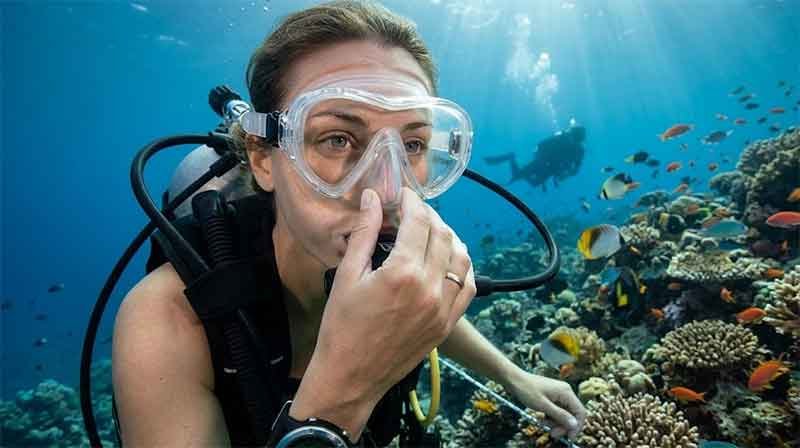

Bali Diving Safety Briefings Explained are one of the most important parts of every scuba diving trip, whether you are a beginner completing your first ocean dive or an experienced diver exploring Bali's famous underwater sites. A professional dive safety briefing helps divers understand the dive plan, local conditions, emergency procedures, and underwater communication before entering the water. Paying close attention during the briefing significantly improves safety, reduces stress, and helps everyone enjoy a smooth and memorable diving experience in Bali.
Every dive site around Bali is unique. From the colorful coral gardens of Amed to the strong currents around Nusa Penida and the historic USAT Liberty Wreck in Tulamben, each location requires specific information that cannot be assumed. A proper safety briefing prepares divers for the conditions they are about to encounter.
Why Dive Safety Briefings Are Essential
Safety briefings are much more than a routine conversation before a dive. They are carefully designed to ensure every diver understands the dive environment and knows exactly what to expect.
A complete briefing helps to:
- Reduce confusion underwater
- Improve communication between divers
- Prevent unnecessary accidents
- Prepare divers for local marine conditions
- Review emergency procedures
- Increase confidence before entering the water
Even divers with hundreds of logged dives attend every briefing because no two dive sites are exactly the same.
What Is Covered During a Bali Diving Safety Briefing?
Professional dive guides follow a structured briefing before every dive. While the details vary depending on the location, most briefings include several important topics.
Dive Site Overview
The guide begins by introducing the dive site and explaining what makes it unique.
This usually includes:
- Entry and exit points
- Maximum depth
- Average visibility
- Bottom composition
- Coral formations
- Marine life expected
- Current conditions
Understanding the dive site's layout helps divers feel comfortable before entering the water.
Weather and Ocean Conditions
Ocean conditions can change throughout the day.
Your guide will explain:
- Wave height
- Surface conditions
- Tide direction
- Current strength
- Water temperature
- Visibility estimates
Knowing these conditions helps divers prepare mentally and physically.
Dive Plan
Every dive follows a planned route.
The guide explains:
- Direction of travel
- Estimated dive duration
- Planned maximum depth
- Turning pressure
- Safety stop location
- Exit procedure
Following the dive plan keeps the group together and minimizes unnecessary risks.
Buddy System Review
One of scuba diving's most important safety rules is never dive alone.
During the briefing, divers review:
- Buddy assignments
- Distance to maintain
- Air checks
- Communication methods
- Lost buddy procedure
A reliable buddy system significantly increases overall dive safety.
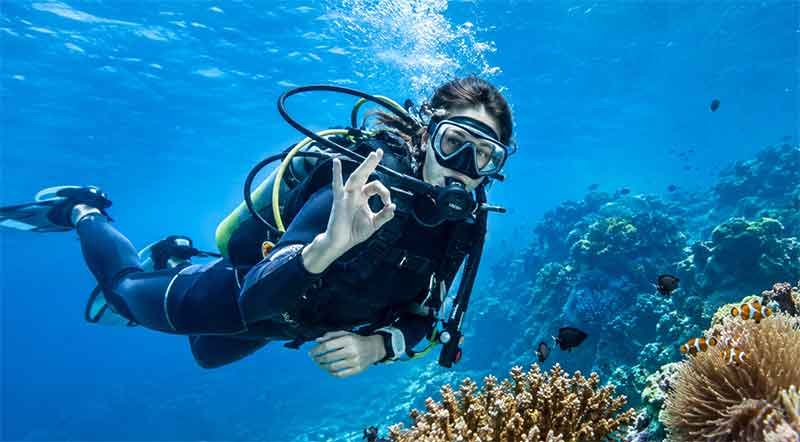
Underwater Hand Signals
Divers cannot speak underwater, making hand signals essential.
Common signals include:
- OK
- Not OK
- Problem
- Up
- Down
- Low air
- Out of air
- Stop
- Look
- Danger
The dive guide often reviews these signals before entering the water, especially if beginner divers are participating.
Equipment Check Procedures
Before entering the water, guides remind divers to perform a complete buddy equipment inspection.
This includes checking:
- Tank valve
- Air pressure
- BCD inflation
- Regulator function
- Alternate air source
- Weight system
- Mask
- Fins
- Computer
- Camera attachments
Many problems can be avoided through a simple equipment check.
Emergency Procedures
One of the most valuable parts of every safety briefing is understanding emergency procedures.
The guide explains:
- What to do if separated
- Low air procedures
- Out-of-air emergencies
- Controlled emergency swimming ascent
- Surface signaling
- Boat pickup procedures
- Emergency oxygen availability
Knowing these procedures helps divers react calmly if something unexpected occurs.
Marine Life Awareness
Bali is home to incredible marine biodiversity.
Depending on the dive site, guides may point out:
- Sea turtles
- Reef sharks
- Manta rays
- Mola mola (seasonal)
- Frogfish
- Seahorses
- Nudibranchs
- Moray eels
- Octopus
- Barracuda
The guide also explains respectful wildlife interaction.
Divers should:
- Never chase animals
- Never touch marine life
- Avoid standing on coral
- Maintain neutral buoyancy
- Give animals enough space
Protecting the reef is everyone's responsibility.
Site-Specific Hazards
Every Bali dive site has different challenges.
Examples include:
Tulamben
- Rocky beach entries
- Small waves
- Sloping volcanic sand
- Wreck penetration restrictions
Nusa Penida
- Strong currents
- Cold thermoclines
- Down currents
- Boat traffic
Padang Bai
- Surge in shallow areas
- Variable visibility
- Boat movement
- Rocky entries
Menjangan Island
- Deep wall diving
- Gentle drift dives
- Excellent visibility
- Boat entry procedures
Knowing these hazards allows divers to stay alert throughout the dive.
Air Management
Good air management is discussed during every briefing.
Guides explain:
- Starting pressure
- Turn pressure
- Reserve pressure
- Surface pressure
Divers are reminded to monitor their gauges frequently rather than waiting for the guide to ask.
Buoyancy Reminders
Poor buoyancy is one of the biggest causes of coral damage.
The guide may remind divers to:
- Stay horizontal
- Avoid kicking coral
- Control breathing
- Add air gradually
- Dump air slowly during descent
Good buoyancy protects both divers and the marine environment.
Boat Diving Procedures
Many Bali dive sites are accessed by boat.
The briefing often includes:
- Boarding instructions
- Tank setup
- Giant stride entry
- Back roll entry
- Reboarding ladder use
- Surface waiting position
Understanding boat procedures helps dives run efficiently.
Shore Diving Procedures
Popular shore dives like Tulamben require different preparation.
The guide explains:
- Walking safely on rocks
- Timing entry with waves
- Carrying equipment
- Exiting through surf
- Equipment removal
These small details make shore entries much easier.
Photography Etiquette
Many divers bring underwater cameras.
During the briefing, guides may remind photographers to:
- Stay with the group
- Watch buoyancy
- Avoid blocking other divers
- Never touch coral for a better photo
- Respect marine life
Taking great photos should never compromise safety.
Why Beginners Should Listen Carefully
New divers often assume they learned everything during certification.
However, local briefings provide information that certification courses cannot cover.
The briefing introduces:
- Local currents
- Entry techniques
- Marine hazards
- Site navigation
- Regional safety practices
Listening carefully helps beginners build confidence quickly.
Why Experienced Divers Should Never Skip Briefings
Experienced divers sometimes believe they already know enough.
In reality, every location has different conditions.
Even professional divers benefit from learning about:
- Daily current changes
- Boat traffic
- Tide conditions
- Marine life activity
- Weather updates
- Emergency logistics
Experience never replaces local knowledge.
Questions You Should Ask During the Briefing
If something is unclear, ask before entering the water.
Helpful questions include:
- How strong is today's current?
- What visibility should we expect?
- Where is the deepest point?
- How long will the dive last?
- What is our turnaround pressure?
- What marine life is commonly seen today?
- How do we exit if conditions change?
Professional guides appreciate divers who ask thoughtful questions.
Common Mistakes Divers Make During Safety Briefings
Some divers unintentionally reduce their safety by:
- Talking while the guide is explaining
- Setting up equipment instead of listening
- Assuming every dive site is identical
- Forgetting buddy assignments
- Ignoring emergency procedures
- Missing depth limits
- Forgetting current direction
Giving the briefing your full attention only takes a few minutes and greatly improves safety.
How Professional Dive Centers Conduct Briefings
Quality dive centers take safety seriously.
Their briefings are:
- Clear and organized
- Easy to understand
- Adapted to diver experience
- Updated according to weather
- Focused on local conditions
- Interactive with questions encouraged
A professional briefing reflects the overall safety standards of the dive operation.
Environmental Responsibility During the Briefing
Modern dive briefings also emphasize ocean conservation.
Divers are encouraged to:
- Practice excellent buoyancy
- Avoid touching coral
- Never feed fish
- Secure loose equipment
- Collect floating plastic only if safe
- Respect marine protected areas
Protecting Bali's reefs ensures future generations can enjoy the same incredible underwater world.
Final Thoughts
Bali Diving Safety Briefings Explained is more than simply reviewing rules before entering the water. These briefings provide essential information about dive site conditions, underwater navigation, emergency procedures, equipment checks, marine life awareness, and responsible diving practices. Whether you are exploring the Liberty Wreck in Tulamben, drifting through the reefs of Menjangan Island, discovering Padang Bai's vibrant marine life, or searching for manta rays around Nusa Penida, listening carefully to every safety briefing is one of the smartest decisions you can make.
A few minutes of attention before the dive can lead to a safer, more enjoyable, and unforgettable scuba diving experience while protecting both yourself and Bali's extraordinary underwater ecosystem.
Related Posts: