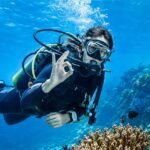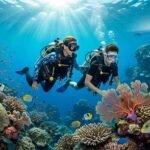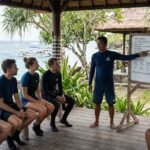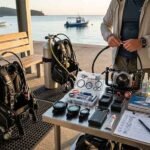
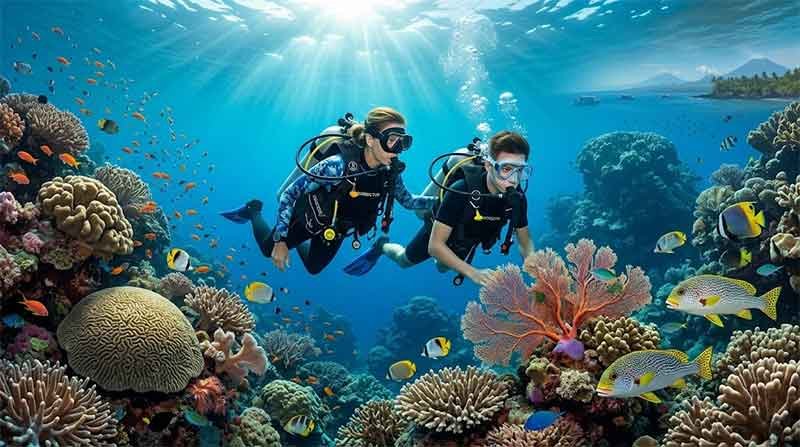
Best Places in Bali to Learn Scuba Diving is one of the most searched topics by travelers who want to combine a tropical vacation with an unforgettable underwater adventure. Bali offers warm waters, excellent visibility, diverse marine life, and world-class dive schools that cater to beginners and experienced divers alike.
Whether you are taking your first Open Water Course or planning to continue with advanced certifications, choosing the right location can make your diving experience safer, easier, and more enjoyable. This guide explores the best places in Bali to learn scuba diving and explains what makes each destination unique.
Why Bali is the Perfect Destination to Learn Scuba Diving
Bali has become one of the world's leading scuba diving destinations for several reasons. The island offers year-round diving conditions, affordable certification courses, professional instructors, and access to some of Indonesia's most famous dive sites.
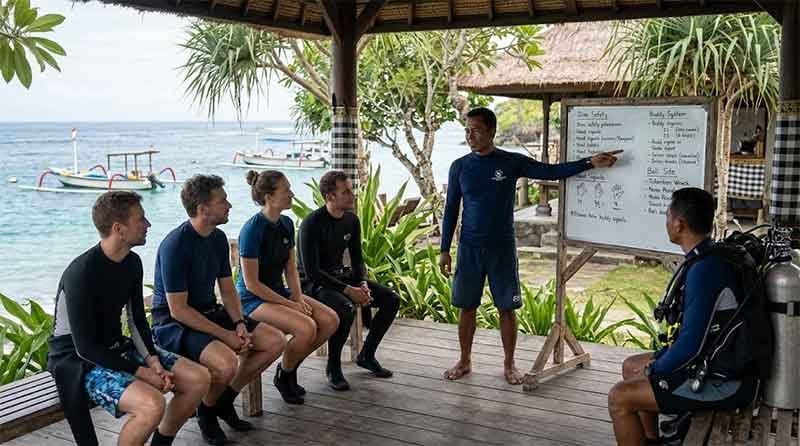
New divers appreciate Bali because many training locations feature calm water, easy shore entries, and abundant marine life. Students can complete classroom sessions, confined water training, and open water dives while enjoying stunning beaches and breathtaking scenery.
Some of the main advantages include:
- Warm water temperatures between 26°C and 30°C
- Excellent underwater visibility during much of the year
- Numerous beginner-friendly dive sites
- Internationally certified dive centers
- Affordable course packages
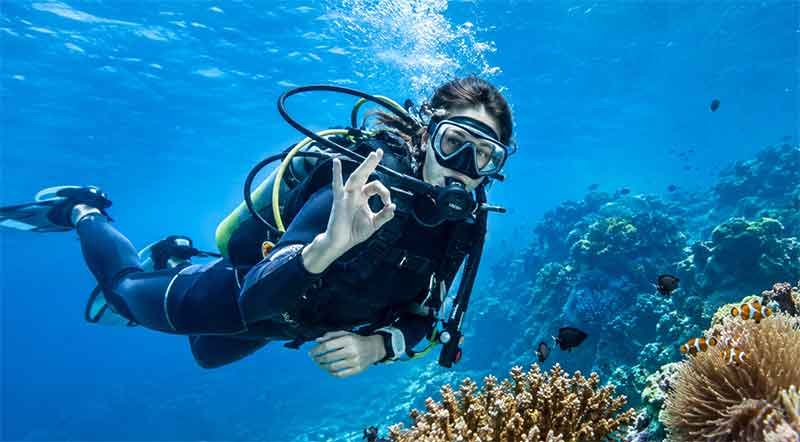
- Incredible biodiversity with colorful coral reefs and tropical fish
What Makes a Good Place to Learn Scuba Diving?
Not every dive site is suitable for beginners. The best training locations generally offer calm conditions and simple underwater navigation.
Important factors include:
- Minimal currents
- Shallow reef areas
- Easy beach access
- Good visibility
- Safe entry and exit points
- Plenty of marine life to keep training enjoyable
- Experienced instructors familiar with local conditions
Fortunately, Bali has several locations that meet all of these criteria.
Tulamben – Bali's Most Popular Beginner Diving Destination
Tulamben is often considered the number one location for learning scuba diving in Bali. Located on the northeast coast, this peaceful fishing village is famous for its calm waters and easy shore diving.
The biggest attraction is the USAT Liberty Shipwreck, one of the world's most accessible wreck dives. Although parts of the wreck are suitable for advanced divers, beginner students can safely explore shallow sections during training.
Why Tulamben is Perfect for Beginners
- Calm sea conditions
- Excellent visibility
- Easy shore entry
- Colorful coral reefs
- Diverse marine life
- Minimal boat travel
- Relaxed atmosphere
Students frequently encounter:
- Clownfish
- Butterflyfish
- Parrotfish
- Lionfish
- Giant moray eels
- Sea turtles
- Reef octopus
Because many dive sites are only a short walk from the shore, students spend more time underwater and less time traveling.
Amed – Peaceful Reefs and Gentle Conditions
Located close to Tulamben, Amed is another outstanding destination for beginner scuba divers. This quiet coastal region features beautiful coral gardens, black volcanic sand, and calm bays ideal for training.
Unlike busier tourist areas, Amed offers a slower pace that allows students to focus entirely on learning.
Highlights of Learning in Amed
- Healthy coral reefs
- Gentle underwater slopes
- Relaxed dive environment
- Good visibility
- Excellent macro marine life
- Multiple beginner dive sites
Amed is especially popular among underwater photographers because of its incredible biodiversity.
Padang Bai – Convenient and Diverse Dive Sites
Padang Bai is located on Bali's southeast coast and provides access to several excellent dive sites suitable for students.
The protected Blue Lagoon is especially recommended for beginner courses due to its calm conditions and sandy bottom.
Students often enjoy seeing:
- Blue-spotted stingrays
- Leaf scorpionfish
- Cuttlefish
- Reef fish
- Moray eels
- Nudibranchs
Padang Bai is also closer to many popular tourist areas, making it convenient for travelers staying in southern Bali.
Sanur – Great for Introductory Diving
Sanur offers easy access from Denpasar, Kuta, Seminyak, and Canggu, making it an attractive option for visitors with limited time.
Many dive operators use Sanur as a departure point for nearby training sites.
Advantages include:
- Short travel times
- Calm mornings
- Beginner-friendly dive operators
- Flexible course schedules
Although Sanur itself has fewer famous dive sites than Tulamben, its location makes it ideal for introductory experiences.
Nusa Penida – Better for Continuing Education
Nusa Penida is famous for giant manta rays and seasonal mola mola sightings. While it is one of Bali's most spectacular diving destinations, it is generally not recommended for complete beginners due to stronger currents.
However, divers who complete their Open Water certification elsewhere often return to Nusa Penida for:
- Advanced Open Water courses
- Drift diving
- Deep diving
- Underwater photography
- Manta ray encounters
For newer divers, instructors usually recommend gaining additional experience before exploring this area.
Menjangan Island – Exceptional Visibility
Located inside West Bali National Park, Menjangan Island is known for crystal-clear water and beautiful coral walls.
Many divers describe Menjangan as one of Bali's most scenic underwater environments.
Benefits include:
- Outstanding visibility
- Healthy coral ecosystems
- Calm dive conditions
- Rich marine biodiversity
- Less crowded dive sites
Although the journey is longer from southern Bali, many divers find the trip worthwhile.
Marine Life You Can Expect to See
One of the reasons students love learning in Bali is the incredible variety of marine species.
Depending on the location and season, divers may encounter:
- Sea turtles
- Clownfish
- Angelfish
- Triggerfish
- Sweetlips
- Barracuda
- Garden eels
- Giant moray eels
- Blue-spotted stingrays
- Octopus
- Reef sharks
- Seahorses
- Frogfish
- Nudibranchs
- Mantis shrimp
Every dive offers something different, making each training session exciting.
Choosing the Right Dive School
The location is only one part of the learning experience. Choosing a professional dive center is equally important.
Look for dive schools that provide:
- Certified instructors
- Small student-to-instructor ratios
- Well-maintained equipment
- Safety-focused training
- Positive customer reviews
- Transparent pricing
- Comprehensive dive insurance recommendations
Quality instruction builds confidence and ensures you develop safe diving habits from the beginning.
Best Time of Year to Learn Scuba Diving in Bali
Scuba diving is available throughout the year, but certain seasons provide better visibility depending on the location.
Generally:
- April to November offers excellent visibility across many dive sites.
- December to March may bring more rain, but diving remains possible in many protected areas.
Tulamben and Amed often provide reliable diving conditions year-round, making them popular choices regardless of the season.
Tips for First-Time Divers
Before starting your scuba diving course, keep these practical tips in mind:
Stay Hydrated
Drink plenty of water before and after diving to reduce fatigue and improve comfort.
Get Plenty of Rest
A good night's sleep helps improve concentration during classroom lessons and underwater training.
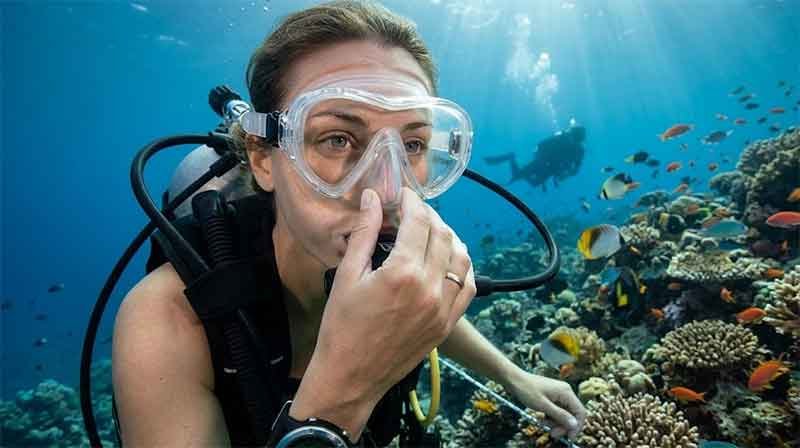
Equalize Early and Often
Learning proper equalization techniques helps prevent ear discomfort during descent.
Listen Carefully to Your Instructor
Following instructions closely is the best way to stay safe and build confidence underwater.
Avoid Flying Immediately After Diving
Always follow recommended no-fly intervals after diving to reduce the risk of decompression sickness.
Which Bali Diving Destination is Best for You?
Each location offers unique advantages depending on your goals.
Choose Tulamben if you want:
- The easiest beginner diving
- Shore diving convenience
- Shipwreck exploration
- Calm conditions
Choose Amed if you prefer:
- Peaceful surroundings
- Beautiful coral reefs
- Relaxed atmosphere
- Excellent macro life
Choose Padang Bai if you want:
- Easy access
- Variety of dive sites
- Blue Lagoon training dives
Choose Menjangan if you enjoy:
- Exceptional visibility
- Healthy coral walls
- Less crowded diving
Choose Nusa Penida after certification if you want:
- Manta rays
- Drift diving
- Advanced diving adventures
Frequently Asked Questions
Is Bali good for complete beginners?
Yes. Bali is considered one of the best places in Southeast Asia for learning scuba diving thanks to its calm dive sites, experienced instructors, and diverse underwater environments.
How long does it take to get certified?
Most Open Water Diver courses take between three and four days, depending on the training schedule and weather conditions.
Do I need to know how to swim?
Yes. Basic swimming ability and comfort in the water are required for scuba certification.
Is scuba diving in Bali safe?
When you dive with a reputable dive center, follow instructor guidance, and use properly maintained equipment, scuba diving in Bali is considered very safe.
What is the minimum age for learning scuba diving?
Many certification agencies allow children as young as 10 years old to begin junior scuba diving courses, provided they meet the required swimming skills and medical guidelines.
Conclusion
Best Places in Bali to Learn Scuba Diving offers endless opportunities for beginners to discover the underwater world in a safe and exciting environment. From the calm shore dives of Tulamben and the colorful reefs of Amed to the protected waters of Padang Bai and the crystal-clear visibility of Menjangan Island, Bali provides outstanding locations for every new diver. By choosing a reputable dive school and the right training destination, you can earn your scuba certification while experiencing some of the most beautiful marine ecosystems in the world. Whether your goal is recreational diving, underwater photography, or continuing toward advanced certifications, learning to scuba dive in Bali is an investment in unforgettable adventures that will last a lifetime.