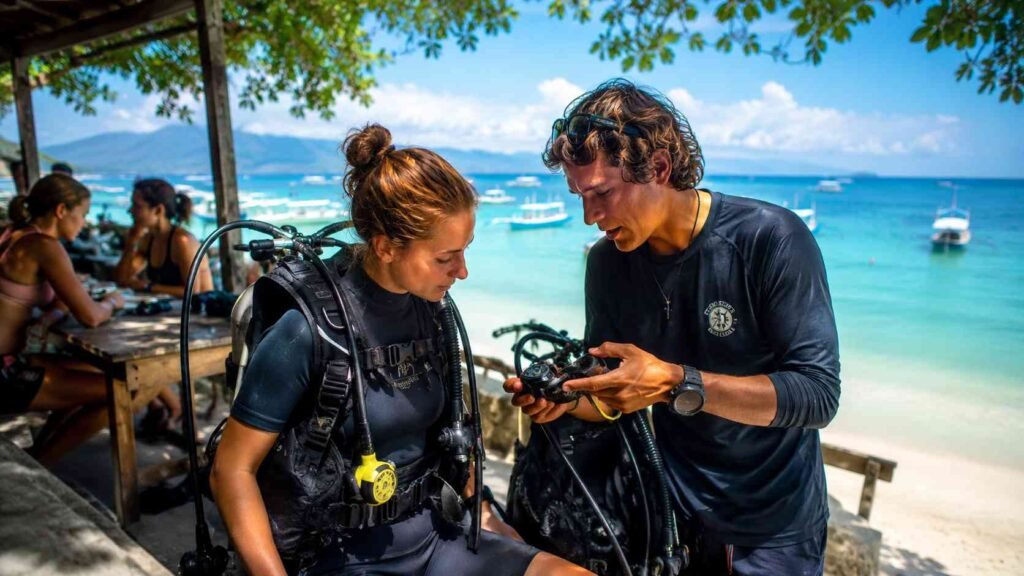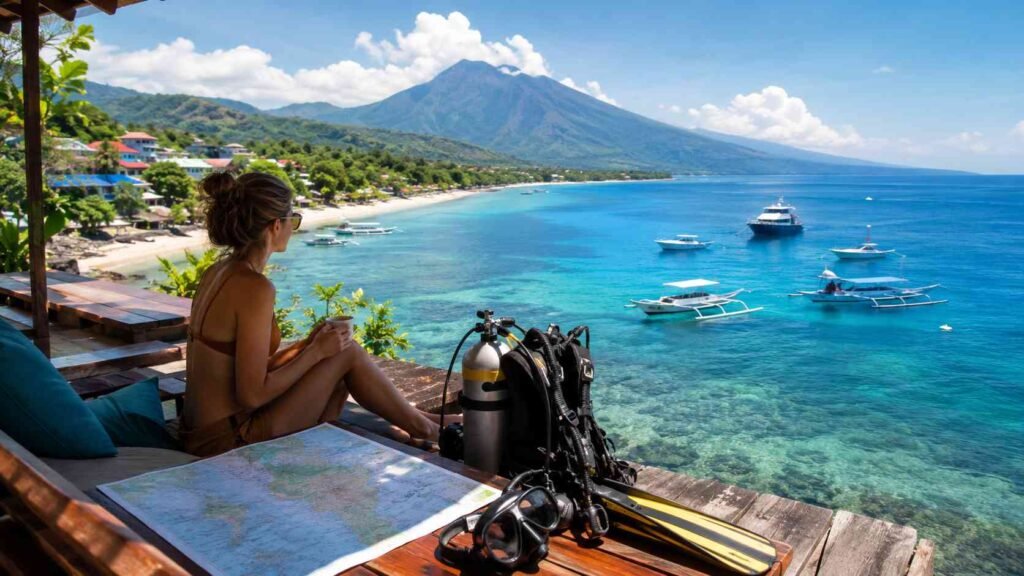
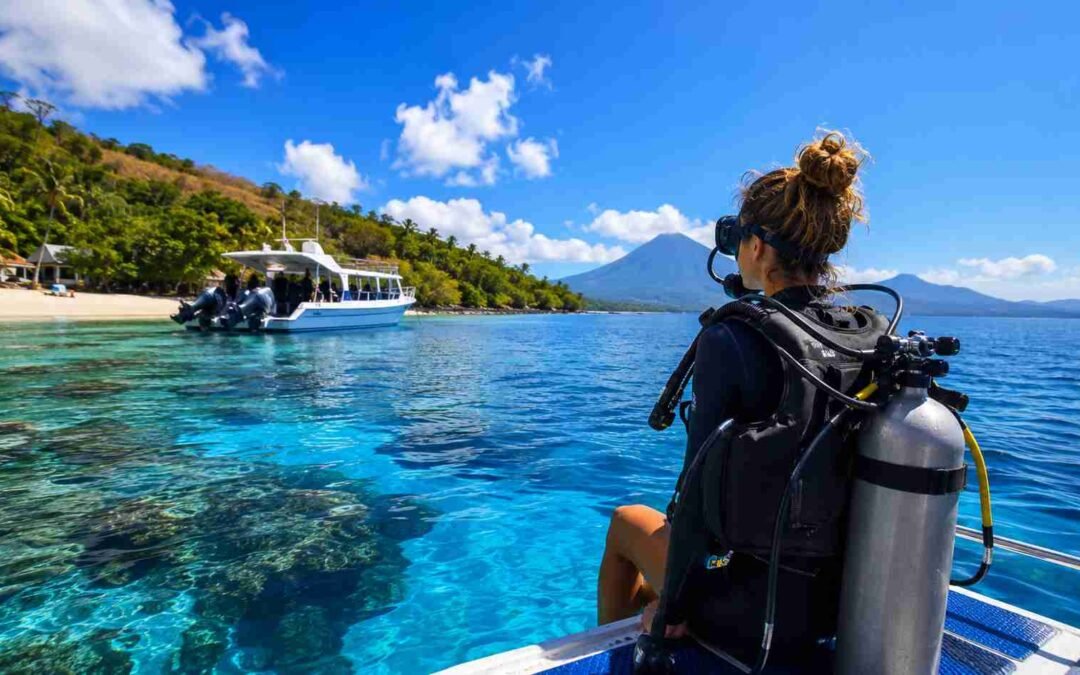
When Is High Season for Diving in Bali? This is one of the most common questions asked by travelers planning a diving holiday on the Island of the Gods. Bali is a world-renowned diving destination that offers incredible underwater experiences throughout the year. However, certain months bring better visibility, calmer sea conditions, and increased chances of encountering famous marine species such as manta rays, mola mola, reef sharks, and sea turtles. Understanding Bali’s diving seasons can help divers choose the best time for their underwater adventure and maximize every dive.
Understanding Bali’s Diving Seasons
Unlike many diving destinations that have a short diving window, Bali offers year-round diving opportunities. The island experiences two main seasons:
- Dry Season (April to October)
- Rainy Season (November to March)
While diving is possible during both periods, the dry season is generally considered the high season for diving in Bali due to favorable weather conditions and excellent underwater visibility.
Why the Dry Season Is Considered High Season
The dry season from April to October attracts the largest number of divers visiting Bali. During these months, rainfall is lower, seas are generally calmer, and visibility often reaches 20 to 40 meters depending on the dive site.
Several factors make this period ideal for diving:
Better Underwater Visibility
Visibility is often at its best during the dry season. Cleaner water allows divers to fully appreciate Bali’s vibrant coral reefs, underwater walls, shipwrecks, and marine biodiversity.
Comfortable Weather Conditions
Sunny days and lower humidity create comfortable conditions for both diving and surface intervals. Boat trips to offshore dive sites are usually smoother as well.
Ideal Conditions for Photography
Underwater photographers prefer the dry season because clearer water and abundant sunlight improve image quality and underwater color reproduction.
Access to More Dive Sites
Calmer sea conditions allow dive operators to access a wider variety of sites around Bali, including exposed locations that may be challenging during rough weather.
Peak Diving Months in Bali
Although the entire dry season is popular, some months stand out as the busiest.
June to August
June, July, and August represent the absolute peak season. These months coincide with international summer holidays, attracting divers from Europe, Australia, Asia, and North America.
During this period, visitors can expect:
- Excellent visibility
- Pleasant water temperatures
- High demand for dive trips
- Busy dive centers and resorts
- Strong tourism activity across Bali
Advance booking is highly recommended for accommodations, dive packages, and certifications.
September and October
Many experienced divers consider September and October among the best months to dive in Bali. The weather remains excellent, while tourist crowds begin to decrease.
These months offer:
- Outstanding visibility
- Fewer crowds than July and August
- Warm surface conditions
- Excellent opportunities for marine life encounters
Mola Mola Season in Bali
One of the biggest attractions during Bali’s diving high season is the opportunity to see the famous ocean sunfish, commonly known as the mola mola.
Best Months to See Mola Mola
The mola mola season generally runs from July through October, with August and September often providing the highest chances of sightings.
The best locations include:
- Nusa Penida
- Nusa Lembongan
- Nusa Ceningan
These fascinating creatures can grow to several meters in length and attract divers from around the world.
Conditions During Mola Mola Season
Water temperatures can drop significantly at deeper sites where mola mola are commonly seen. Divers should be prepared for temperatures between 18°C and 24°C and may benefit from thicker wetsuits.
Manta Ray Encounters Throughout the Year
Unlike mola mola, manta rays can be seen year-round around Bali, particularly near Nusa Penida.
However, the dry season often provides:
- Better visibility
- More comfortable diving conditions
- Easier access to manta cleaning stations
- Improved photography opportunities
For many divers, combining manta ray dives with mola mola season creates the ultimate Bali diving experience.
Read more: Bali Diving Itinerary for 7 Days
Diving During the Rainy Season
Although the dry season is considered high season, the rainy season should not be overlooked.
Benefits of Rainy Season Diving
Many divers choose Bali between November and March because of:
- Lower accommodation prices
- Fewer tourists
- Less crowded dive boats
- Attractive dive package promotions
Marine Life Highlights
Certain macro species become more active during this period, making Bali especially appealing for underwater photographers interested in smaller marine creatures.
Popular macro diving destinations include:
- Seraya Secrets
- Tulamben
- Padang Bai
Read more: How Much Does Diving in Bali Cost in 2026?
Best Dive Sites During High Season
Tulamben
Tulamben is home to the famous USAT Liberty Shipwreck, one of Bali’s most iconic dive sites. Excellent visibility during high season makes the wreck particularly impressive.
Nusa Penida
Known for manta rays, mola mola, dramatic underwater topography, and healthy coral reefs, Nusa Penida becomes a major attraction during the dry season.
Amed
Amed offers beautiful reef diving, calm conditions, and excellent underwater biodiversity. It is suitable for both beginners and experienced divers.
Menjangan Island
Located within West Bali National Park, Menjangan is famous for crystal-clear visibility, wall diving, and colorful coral formations.
Padang Bai
Padang Bai provides diverse diving opportunities including reefs, walls, drift dives, and encounters with turtles, reef sharks, and other marine life.
Read more: Is Bali Good for Beginner Divers?
Tips for Diving During Bali’s High Season
Book Early
The best dive resorts, liveaboards, and dive centers can fill up quickly, especially from June through August.
Choose Accommodation Near Your Dive Sites
Staying near your preferred diving area reduces travel time and allows for a more relaxed diving schedule.
Bring Appropriate Exposure Protection
Water temperatures vary significantly depending on location and season. A 3mm to 5mm wetsuit is suitable for most divers, while thicker protection may be preferred during mola mola dives.
Plan Around Your Experience Level
Some famous sites, particularly around Nusa Penida, can have strong currents. Beginners should consult local dive professionals to select suitable dive locations.
Read more: Best Dive Centers in Bali: What to Look For
Is High Season the Best Time for Every Diver?
Not necessarily. While the dry season offers ideal conditions and famous marine life encounters, some divers prefer the quieter rainy season. Those seeking lower costs, fewer crowds, and macro photography opportunities may find the off-season equally rewarding.
The best time to dive in Bali ultimately depends on personal preferences, budget, and the type of marine life you hope to encounter.
Read more: Bali Diving Packages Explained
Conclusion
When Is High Season for Diving in Bali? The high season generally runs from April to October, with June through August being the busiest months and September to October offering some of the best overall diving conditions. During this period, divers can enjoy excellent visibility, favorable weather, calmer seas, and opportunities to encounter iconic species such as manta rays and mola mola. Whether you are a beginner exploring coral reefs or an experienced diver seeking world-class underwater adventures, Bali’s high diving season provides unforgettable experiences beneath the surface.