
What Makes Blue Lagoon So Popular? This question is often asked by travelers planning a trip to Bali, especially those who want to experience snorkeling or diving in a beautiful yet accessible location. Blue Lagoon has gained an impressive reputation among visitors because it combines crystal-clear water, colorful marine life, and easy access from many popular areas in Bali. Unlike crowded beaches or difficult dive sites, Blue Lagoon offers a relaxed environment where beginners and experienced ocean lovers can enjoy the underwater world without stress. Its natural beauty and calm conditions have helped turn this small bay into one of the most talked-about marine spots on the island.
A Small Bay With Stunning Natural Beauty
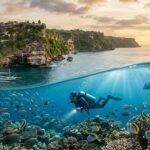
One of the main reasons Blue Lagoon is so popular is its stunning natural setting. The beach sits in a quiet cove surrounded by rocky cliffs and green hills, creating a peaceful atmosphere that feels far from the busy tourist centers of Bali. The water in the bay often appears bright turquoise, which is how the lagoon earned its name.
Because the bay is naturally protected, the waves are usually gentle. This makes it easier for snorkelers and divers to enter the water safely and enjoy a comfortable experience. Visitors often notice that even from the beach, the water looks incredibly clear, giving them a glimpse of the colorful marine life waiting below the surface.
The combination of dramatic coastal scenery and vibrant water colors creates a perfect tropical setting that attracts photographers, ocean lovers, and travelers searching for beautiful hidden beaches.
Excellent Snorkeling Conditions
Blue Lagoon is widely known for its fantastic snorkeling. Many travelers say that it is one of the easiest places in Bali to see marine life without needing advanced diving skills. The coral reef begins relatively close to the shore, allowing snorkelers to reach interesting underwater areas with minimal swimming.
Visibility is often very good, especially during calm weather conditions. Clear water allows visitors to observe coral formations and tropical fish with impressive clarity. Because the reef is shallow in many areas, sunlight easily reaches the coral gardens, making the colors of the reef appear bright and lively.
Another advantage is that snorkeling tours in this area are simple and convenient. Local guides know the best spots and can quickly bring visitors to areas where marine life is most active.
Marine Life You Can Easily See
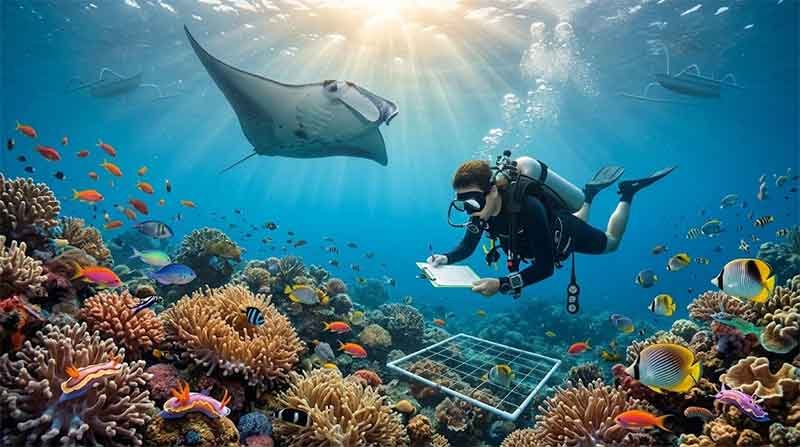
One of the highlights of snorkeling at Blue Lagoon is the variety of marine species that live there. Even first-time snorkelers are often surprised by how many different fish they can see in a short time.
Some of the marine life commonly spotted includes:
- Angelfish
- Butterflyfish
- Parrotfish
- Lionfish
- Moray eels
- Blue spotted stingrays
- Small reef sharks occasionally passing by
The coral reef also supports a healthy ecosystem filled with colorful hard and soft corals. These coral gardens provide shelter for many species, which is why the area feels so alive underwater.
For underwater photographers, this variety of marine life creates many opportunities to capture memorable images.
A Beginner-Friendly Dive Site
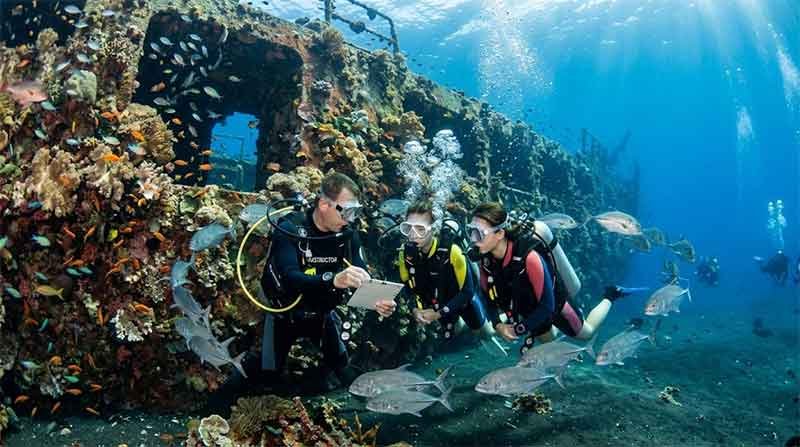
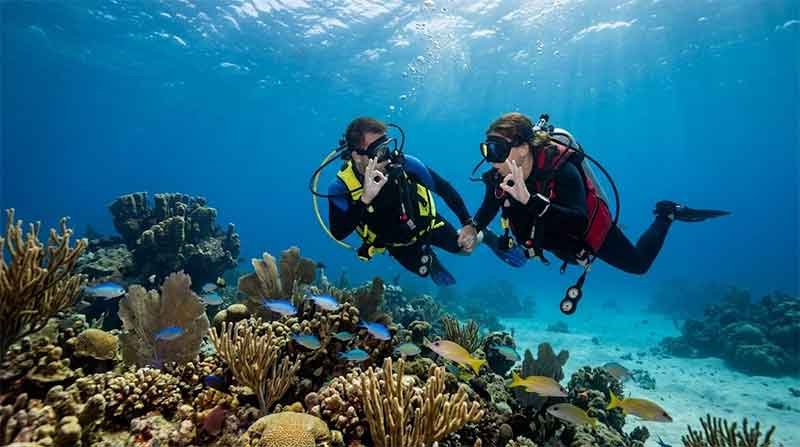
Another reason Blue Lagoon has become so popular is that it is considered one of Bali’s best dive sites for beginners. Many diving schools bring students here for training dives because the conditions are generally calm and predictable.
The depth gradually increases as you move away from the shore, which allows new divers to build confidence slowly. Instead of dropping into deep water immediately, divers can descend step by step while exploring the reef.
Instructors also appreciate the relatively mild currents that are often present. While currents can change depending on the tide, they are usually manageable for divers who are still learning.
Because of these beginner-friendly conditions, many travelers complete their first ocean dives here and remember the experience for the rest of their lives.
Read more: Padang Bai vs Nusa Penida for Beginners
Unique Underwater Landscape
Beyond the coral reefs and marine life, Blue Lagoon also offers a fascinating underwater landscape. Divers often describe the terrain as a mix of sandy slopes, coral gardens, and small reef structures.
Some sections feature gentle sandy areas where stingrays like to hide beneath the sand. Other areas contain coral bommies filled with fish and small creatures. The combination of different underwater environments makes every dive slightly different.
Macro photographers also enjoy exploring this site because it is possible to find small marine creatures hiding among the coral and rocks.
Popular Creatures for Macro Photography
Blue Lagoon is known for several interesting small marine species that photographers love to capture:
- Nudibranchs with bright colors
- Leaf scorpionfish blending into coral
- Pipefish hiding in reef structures
- Shrimp and small crabs living among corals
These tiny animals may be easy to miss at first, but experienced guides know where to look and can point them out to divers.
Read more: Why Tulamben Should Be on Every Divers Bali Itinerary
Easy Access From Many Parts of Bali
Location also plays a big role in the popularity of Blue Lagoon. The beach is located near Padang Bai, a coastal town on the eastern side of Bali that is already known as a harbor for boats traveling to nearby islands.
Because of this location, many travelers pass through the area while heading to other destinations. Once they learn about the snorkeling and diving opportunities nearby, they often decide to stop and explore the lagoon.
From South Bali areas such as Seminyak, Canggu, or Ubud, the drive usually takes around one and a half to two hours. This makes it possible to visit Blue Lagoon as a day trip without needing to stay overnight.
For many visitors, the chance to experience such beautiful underwater scenery without traveling far from Bali’s main tourist areas is a major advantage.
Read more: Padang Bai Diving Safety Tips
A Relaxed and Less Crowded Atmosphere
Another reason travelers love Blue Lagoon is the relaxed atmosphere. Compared to some of Bali’s more famous beaches, the area feels quieter and more peaceful.
Instead of large beach clubs or busy nightlife, visitors find a small beach with simple warungs and friendly local guides offering snorkeling trips. This laid-back environment allows travelers to enjoy nature without distractions.
Many people say that this slower pace is exactly what makes Blue Lagoon special. It feels authentic and calm, giving visitors a chance to connect with the ocean and appreciate Bali’s natural beauty.
Read more: Manta Rays in Nusa Penida Best Time to See Them
Perfect for Day Trips and Short Adventures
Blue Lagoon is also ideal for travelers who want a quick ocean adventure. Not everyone has time to take a long diving trip or travel to remote islands, so the ability to experience excellent snorkeling in just a few hours is very appealing.
Many visitors arrive in the morning, enjoy a snorkeling session, relax on the beach for lunch, and then return to their hotel in the afternoon. This flexibility makes the destination suitable for families, couples, and solo travelers alike.
The simplicity of organizing a trip here is one of the reasons the lagoon continues to grow in popularity.
Read more: Padang Bai Diving Trips from Balis Main Tourist Areas
A Destination That Appeals to All Ocean Lovers
Ultimately, What Makes Blue Lagoon So Popular? The answer lies in its unique combination of beauty, accessibility, and underwater diversity. Few places offer such a rich marine environment while still being easy for beginners to explore.
The calm bay, colorful coral reefs, and wide variety of fish create an unforgettable experience for anyone who enters the water. Whether someone is snorkeling for the first time or completing their first scuba dive, Blue Lagoon offers a welcoming introduction to Bali’s underwater world.
For travelers searching for a marine adventure that is both exciting and relaxing, it is easy to see why Blue Lagoon continues to attract visitors from around the world.