Is Padang Bai Good For Underwater Photography? For underwater photographers searching for a destination that combines easy access, diverse marine life, and year-round diving conditions, Padang Bai is often mentioned as one of the hidden gems of Bali. Located on the island’s east coast, this small harbor village may look modest above water, but beneath the surface it offers an impressive variety of subjects—from colorful reef scenes to rare macro critters.
If you’re wondering whether Padang Bai deserves a spot on your underwater photography bucket list, the short answer is yes. But like any dive destination, its value depends on what you want to shoot, your experience level, and the conditions you prefer. This guide will help you understand exactly what makes Padang Bai special for photographers.
A Wide Variety of Photographic Subjects
One of the biggest reasons photographers love Padang Bai is the diversity of marine life packed into a relatively small area. You can shoot wide-angle reef scenes on one dive and switch to macro photography on the next without needing long boat rides.
Macro Photography Highlights
Padang Bai is particularly famous for its macro opportunities. Patient photographers can find:
- Nudibranchs in many colors and patterns
- Leaf scorpionfish and frogfish
- Blue-ringed octopus (seasonal)
- Ghost pipefish
- Seahorses and shrimp species
The sandy and rubble areas around sites like Jepun are perfect hunting grounds for small critters, making it ideal for photographers who enjoy slow, detail-focused dives.
Wide-Angle Possibilities
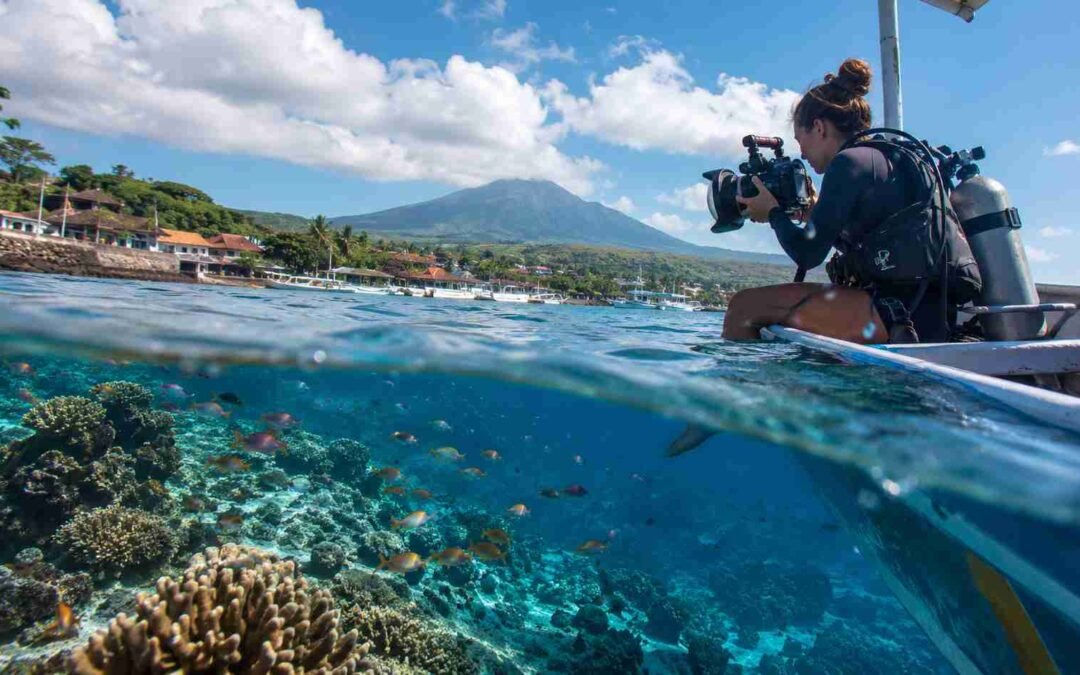
While Padang Bai isn’t known for massive pelagic action like Nusa Penida, it still offers beautiful reefscapes. Hard and soft corals create colorful backdrops, and you can often capture:
- Schools of fusiliers and snappers
- Reef sharks (occasionally)
- Turtles cruising along the reef
- Vibrant coral bommies
Sites such as Blue Lagoon are especially photogenic thanks to their clear water and healthy coral formations.
Generally Good Visibility for Clear Shots
Visibility in Padang Bai typically ranges between 10 and 25 meters depending on tides and season. While not always crystal clear, it’s usually good enough for both macro and wide-angle photography.
Morning dives often provide the best clarity and calmer surface conditions, which is helpful when you want sharp images and steady framing. Photographers who plan their dives around tides and weather windows can achieve excellent results.
Calm Conditions Ideal for Camera Work
Unlike strong-current destinations, Padang Bai is known for relatively calm dive conditions. This makes it an excellent place to focus on composition and lighting rather than constantly managing buoyancy in challenging currents.
For photographers, this means:
- Easier strobe positioning
- More time to frame shots
- Less stress when shooting macro
- Great training ground for beginners
Because of these forgiving conditions, many underwater photographers use Padang Bai as a place to practice new techniques or test new gear setups.
Accessibility and Convenience
Another advantage is how easy Padang Bai is to dive logistically. Most dive sites are just a short boat ride from shore, meaning more time underwater and less time traveling.
For photographers, this convenience offers several benefits:
- Quick surface intervals for lens changes
- Ability to do multiple dives per day
- Less risk of rough boat rides damaging equipment
- Easy entry for half-day trips
Its accessibility also makes it a popular add-on to dive itineraries around Bali.
Read more: What Makes the USAT Liberty Wreck So Special
Year-Round Diving Opportunities
Padang Bai can be dived throughout the year, but conditions vary slightly by season:
- Dry season (April–October): Generally better visibility and calmer seas
- Wet season (November–March): More plankton and critters, sometimes slightly reduced visibility
Interestingly, the wet season can actually be fantastic for macro photography because increased nutrients attract more small marine life.
Read more: Amed Wreck Dive Guide
Perfect for All Skill Levels
Whether you’re a beginner with your first underwater camera or an experienced shooter with a full rig, Padang Bai offers something valuable.
- Beginners: Calm sites and shallow reefs make it easy to practice
- Intermediate photographers: Great place to refine lighting and composition
- Advanced shooters: Macro diversity keeps even seasoned photographers engaged
Because the sites are not overly deep or demanding, you can focus more on creativity rather than dive logistics.
Read more: Top 10 Marine Species You'll See in Tulamben
Limitations to Consider
While Padang Bai is excellent for many types of photography, it’s important to have realistic expectations.
- It’s not a top destination for large pelagic encounters
- Visibility can fluctuate with tides
- Some sites have sandy bottoms that can be stirred up easily
If your goal is dramatic big-animal photography, you might pair Padang Bai with destinations like Nusa Penida or Komodo. But for macro and reef photography, it truly shines.
Read more: Padang Bai Night Diving: What Can You See
Tips for Getting the Best Shots in Padang Bai
To make the most of your underwater photography trip, keep these tips in mind:
- Dive early for the best visibility and soft natural light
- Bring both macro and wide lenses if possible
- Use a good dive guide—they know where critters hide
- Maintain perfect buoyancy to avoid stirring sand
- Shoot slowly and take time to observe behavior
Patience is often rewarded here, especially when searching for rare macro subjects.
Read more: Why Amed Is Ideal for Solo Divers
Final Verdict: A Photographer’s Hidden Gem
So, is Padang Bai good for underwater photography? Absolutely. While it may not have the fame of some Indonesian dive hotspots, it delivers incredible value through its biodiversity, calm conditions, and accessibility.
For macro lovers, it’s one of Bali’s most rewarding locations. For reef photographers, it offers colorful scenes and reliable conditions. And for beginners, it’s a welcoming place to build skills and confidence with a camera underwater.
If you’re planning a dive trip to Bali and want a location that combines variety, convenience, and photographic potential, Padang Bai deserves a place on your itinerary. It’s the kind of destination where every dive feels like a new opportunity—and where even a short visit can fill your memory card with unforgettable shots.