When Is Mola Mola Season In Nusa Penida? If you are planning a diving trip to Bali and dreaming of seeing the legendary ocean sunfish, you are probably asking one important question: when is mola mola season in Nusa Penida?
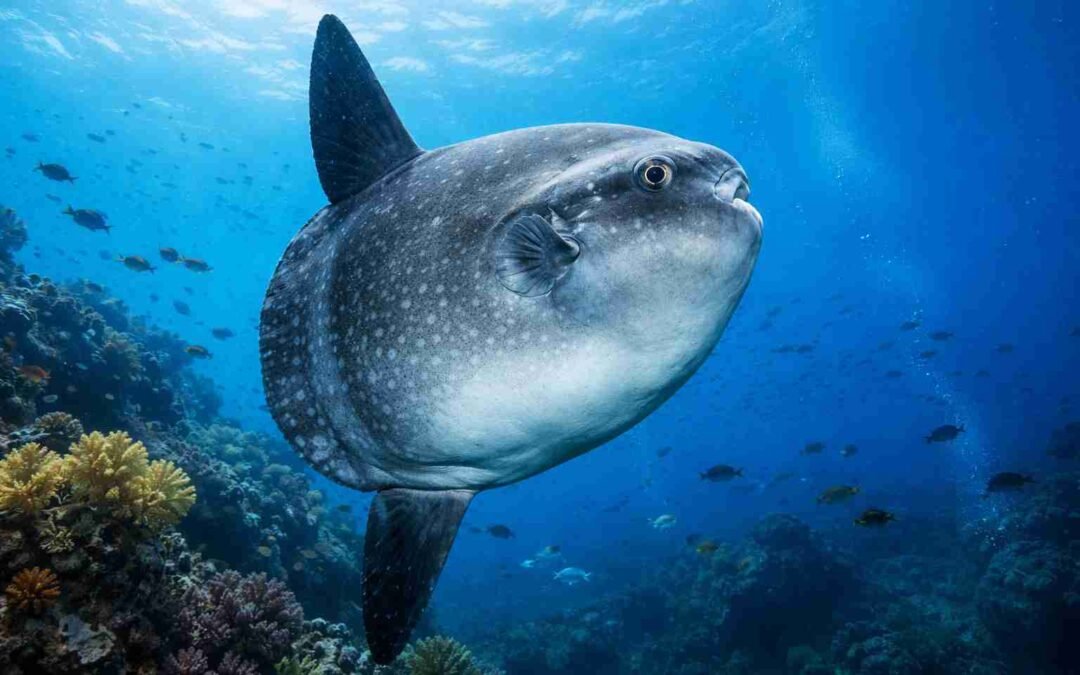
Mola mola, also known as the ocean sunfish, is one of the most fascinating and unusual marine creatures in the world. With its massive, flat body and slow, graceful movements, encountering one underwater is truly unforgettable. Nusa Penida is one of the best places on the planet to see them—but timing is everything.
In this article, you’ll learn exactly when mola mola season happens, why they appear in Nusa Penida, what conditions to expect, and how to prepare for the best possible diving experience.
When Is Mola Mola Season in Nusa Penida?
Mola mola season in Nusa Penida typically runs from July to October, with peak sightings usually happening in August and September.
During these months, divers have the highest chance of seeing mola mola at famous dive sites like Crystal Bay, Blue Corner, and sometimes Batu Bolong. While sightings can occasionally happen outside of these months, they are much less predictable.
If your main goal is to see mola mola while diving in Bali, planning your trip during this seasonal window gives you the best opportunity.
Why Do Mola Mola Appear in Nusa Penida?
Mola mola normally live in deep, cold ocean waters. They can descend to depths of several hundred meters. However, during the dry season in Bali (around July to October), colder water rises to the surface around Nusa Penida due to upwellings and strong currents from the Lombok Strait.
This colder water brings nutrient-rich conditions and attracts smaller fish. Mola mola rise from the deep to visit cleaning stations on coral reefs, where reef fish remove parasites from their skin. These cleaning stations are usually found between 20–40 meters depth, which makes it possible for divers to observe them.
This seasonal change in water temperature is the main reason mola mola appear around Nusa Penida during these specific months.
What Are Diving Conditions Like During Mola Mola Season?
While mola mola season is exciting, diving conditions can be more challenging compared to other times of the year.
Here’s what to expect:
1. Colder Water Temperatures
Water temperatures can drop to 20–24°C, especially at depth. This is significantly cooler than Bali’s usual warm tropical waters. Most divers use a 5mm wetsuit, and some prefer a hood for extra warmth.
2. Strong Currents
Nusa Penida is famous for drift diving. Sites like Crystal Bay and Blue Corner can have strong and unpredictable currents. Good buoyancy control and comfort in currents are important.
3. Deeper Dives
Mola mola are often spotted between 25–40 meters. Advanced Open Water certification (or equivalent experience) is strongly recommended.
Because of these factors, mola mola diving is generally better suited for experienced divers rather than complete beginners.
Read More : Everything You Need To Know Before Diving In Tulamben.
Best Dive Sites for Mola Mola in Nusa Penida
Although sightings are never guaranteed (it’s always wildlife, after all), some dive sites are especially known for mola mola encounters:
Crystal Bay
The most famous mola mola site. It features cleaning stations where sunfish often hover while being cleaned by reef fish.
Blue Corner
A deeper and more advanced site, known for strong currents and occasional large pelagic sightings.
Batu Bolong
More famous for its colorful reef and schooling fish, but mola mola can sometimes appear here during peak season.
Your dive guide will always choose the best site based on conditions, currents, and recent sightings.
Read More : Top Dive Site In Padang Bai For All Levels
Can You See Mola Mola Outside the Season?
It is possible—but rare.
Some divers report sightings in June or November, especially if water temperatures drop unexpectedly. However, from December to May (rainy season), the water is generally warmer, and mola mola are much less likely to come up to cleaning stations.
If seeing mola mola is your top priority, avoid relying on luck outside the main July–October window.
Read More : Manta Point Diving What To Expect
Tips to Increase Your Chances of Seeing Mola Mola
While no dive center can guarantee a sighting, you can improve your chances with these tips:
- Visit during peak season (August–September).
- Plan multiple dives in Nusa Penida rather than just one.
- Dive with experienced local guides who know mola mola behavior.
- Stay calm and maintain good buoyancy to avoid disturbing the fish.
- Listen carefully to your dive briefing and follow your guide’s signals.
Mola mola are shy and sensitive to sudden movements. A calm diver is much more likely to have a longer and closer encounter.
Read More : Menjangan Diving Guide Good For First Time Visitor
Is Mola Mola Diving Safe?
Yes—when done with a professional and experienced dive operator.
The key risks in Nusa Penida are currents and colder water, not the mola mola themselves. These fish are harmless and gentle. Proper planning, safety briefings, and good dive skills are essential for a safe and enjoyable experience.
Always dive within your certification limits and comfort zone.
Read More : Is Tulamben Good For Beginner Divers?
Why Seeing a Mola Mola Is So Special
Mola mola are the heaviest bony fish in the world and can grow up to 3 meters tall from fin to fin. Seeing one in its natural habitat feels almost surreal. They move slowly, almost floating like a drifting moon underwater.
Many divers describe their first mola mola encounter as one of the most magical moments of their diving life. It’s not just another fish—it’s a rare and powerful experience.
Read More : Blue Lagoon Diving Perfect For Beginners
Final Thoughts
So, when is mola mola season in Nusa Penida?
The best time is July to October, with peak chances in August and September. During these months, colder water brings the famous ocean sunfish closer to the reefs, giving divers a unique opportunity to witness one of the ocean’s most extraordinary creatures.
If mola mola is on your diving bucket list, plan your trip carefully, prepare for cooler and more challenging conditions, and choose an experienced local dive center.
With the right timing and a bit of luck, you might find yourself face-to-face with one of the ocean’s most incredible giants—an underwater moment you will never forget.