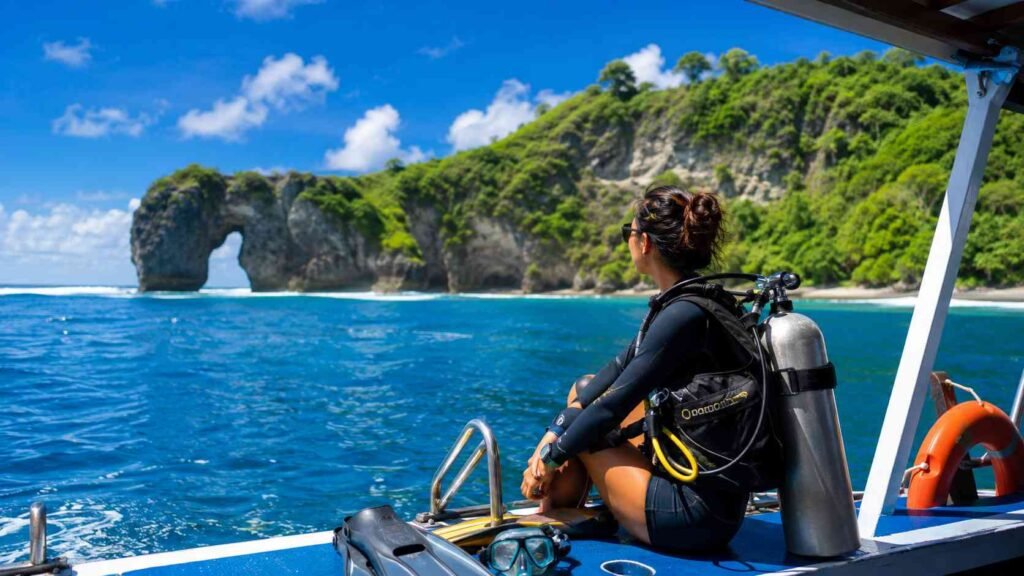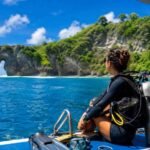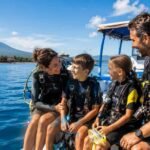
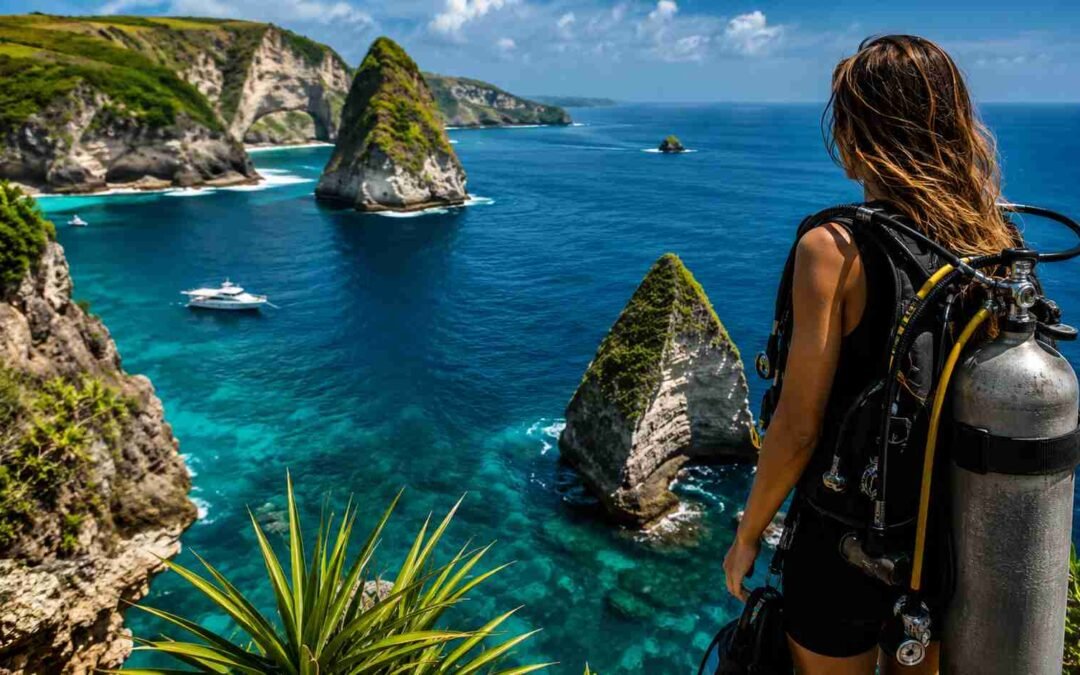
Nusa Penida Diving for Advanced Certification Divers is one of the most thrilling underwater experiences in Indonesia, offering strong currents, deep walls, and encounters with large pelagic species. Located off the southeast coast of Bali, Nusa Penida has earned a global reputation as a destination best suited for divers who already hold advanced certification and want to push their skills further in dynamic conditions.
Why Nusa Penida Is Ideal for Advanced Divers
Advanced divers are often looking for more than colorful reefs—they want challenging environments that sharpen navigation, buoyancy, and situational awareness. Around Nusa Penida, dive sites feature thermoclines, surge, and occasionally unpredictable currents, creating the perfect training ground for divers who want to build confidence in real-world conditions.
Another reason this island stands out is biodiversity. From reef sharks to massive sunfish, the ecosystem here offers encounters that are rare in many other tropical destinations. These factors combine to create dives that are both technically engaging and visually unforgettable.
Signature Dive Sites
Manta Point
Manta Point is famous for year-round sightings of reef manta rays. The site is relatively shallow but often exposed to surge, requiring excellent buoyancy control and situational awareness. Advanced divers appreciate the chance to observe cleaning stations while managing movement in surge conditions.
Crystal Bay
At Crystal Bay, divers may encounter the elusive mola mola (ocean sunfish), particularly during the cooler months. Descents here can be deeper, and currents can change quickly, making it a classic advanced-level dive. Clear visibility and dramatic reef slopes add to the appeal.
Blue Corner
Known for fast drifts and exhilarating topography, Blue Corner is often considered one of the most exciting sites in the region. Divers may see sharks, large trevallies, and occasional mola mola while navigating strong currents that demand solid drift-diving skills.
Marine Life Highlights
Diving around Nusa Penida means entering a transition zone between the Indian Ocean and the Bali Sea, resulting in a rich mix of species. Large pelagics such as manta rays and sunfish are the main draw, but macro lovers can also find nudibranchs, frogfish, and vibrant reef communities.
Seasonality plays a role in what you’ll see. Mola mola sightings typically peak between July and October when colder upwellings bring nutrient-rich water. Manta rays, however, can be spotted throughout the year, making the destination rewarding in any season.
Read more: Is Padang Bai Good For Underwater Photography?
Skills You Should Have Before Diving Here
While an advanced certification from organizations like PADI or SSI is usually recommended, experience in drift diving is equally important. Divers should be comfortable with negative entries, deploying surface marker buoys, and maintaining neutral buoyancy in surge.
Good air consumption and situational awareness are essential, as dives can be deeper and more physically demanding than typical reef dives. Many operators also recommend a recent dive log showing experience in similar conditions.
Read more: Can You Snorkel With Manta Rays In Nusa Penida?
Safety Considerations
Safety is a major priority when diving Nusa Penida. Currents can shift rapidly, so briefings are detailed and dive plans are strictly followed. Using reef hooks, staying close to the guide, and maintaining proper spacing are common practices that help ensure safe and enjoyable dives.
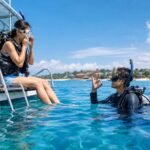
Surface conditions can also be choppy, particularly during certain tides, so divers should be comfortable with boat entries and exits in open water. Choosing a reputable dive operator with experienced local guides significantly enhances safety.
Read more: Coral Growth On The Liberty Wreck: A Living Reef
Best Time to Dive
Diving is possible year-round, but conditions vary. The dry season typically offers calmer seas and better visibility, while the cooler months increase the likelihood of mola mola encounters. Early morning departures often provide the smoothest surface conditions and the most predictable currents.
Read more: Snorkeling Vs Diving In Amed: Which Experience Suits You Best
Equipment Recommendations
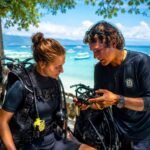
A 3–5 mm wetsuit is generally sufficient, though thermoclines can make deeper water feel colder. Many advanced divers also bring a reef hook, dive computer, and SMB for safety. Gloves are usually discouraged to protect the reefs, so strong buoyancy control is important to avoid contact.
Read more: The Difference Between Manta Point And Manta Bay
Final Thoughts
For divers seeking adrenaline, skill development, and unforgettable marine encounters, Nusa Penida stands out as one of Southeast Asia’s premier advanced diving destinations. The combination of powerful ocean conditions and extraordinary biodiversity creates dives that are as challenging as they are rewarding. With proper preparation and respect for the environment, advanced divers will find every descent here to be an experience that pushes their limits and expands their underwater horizons.