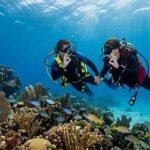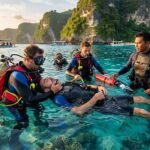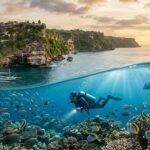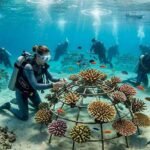
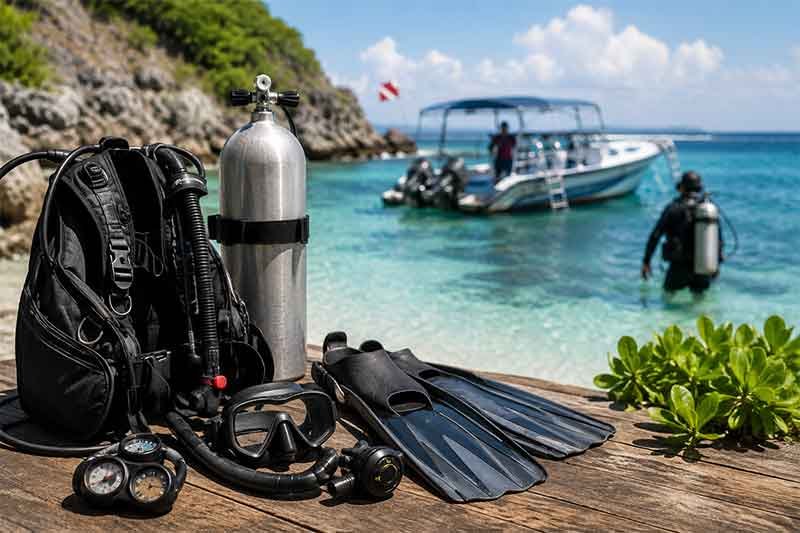
Should You Bring Your Own Dive Gear to Bali? It is one of the most common questions asked by travelers planning a scuba diving holiday in Indonesia. The answer depends on your diving experience, the length of your trip, your comfort preferences, and the type of equipment you own. Bali is home to world-class dive sites, professional dive centers, and high-quality rental equipment, making it possible to enjoy incredible underwater adventures whether you bring your own gear or rent locally.
For many divers, bringing personal equipment improves comfort and confidence underwater. Others prefer traveling light and using professionally maintained rental gear. Understanding the advantages and disadvantages of each option will help you make the right decision before arriving in Bali.
Whether you plan to dive in Tulamben, Nusa Penida, Padang Bai, Amed, or Menjangan Island, this guide explains everything you need to know about bringing your own dive gear to Bali.
Why Divers Consider Bringing Their Own Dive Gear
Many certified divers gradually invest in their own equipment after gaining experience. Personal gear becomes familiar over hundreds of dives and helps create consistency underwater.
Advantages include:
- Better comfort and fit
- Familiar operation
- Increased confidence
- Improved buoyancy control
- Better hygiene
- Less time adjusting equipment before dives
Equipment that fits correctly often results in a safer and more enjoyable dive experience.
Why Renting Dive Gear in Bali Is Popular
Bali has become one of Asia's top diving destinations. Professional dive centers invest heavily in maintaining quality rental equipment because thousands of tourists rely on it every year.
Most rental packages include:
- BCD
- Regulator
- Wetsuit
- Mask
- Fins
- Dive computer (sometimes optional)
- SMB where appropriate
- Weight system
- Tank
Reputable dive operators inspect, clean, disinfect, and service equipment regularly to international safety standards.
For occasional divers, renting is often the simplest and most economical solution.
Equipment You Should Consider Bringing
Even divers who rent major equipment often bring smaller personal items.
Dive Mask
A properly fitted mask makes a huge difference underwater.
Every diver's face is unique, making masks one of the most personal pieces of equipment.
Benefits include:
- Better seal
- Reduced leaking
- Greater comfort
- Familiar vision
- Prescription lenses if needed
A comfortable mask can significantly improve your dive experience.
Dive Computer
Many experienced divers prefer using their own dive computer.
Reasons include:
- Familiar display
- Personalized settings
- Stored dive history
- Better dive planning
- Consistent safety information
Using your own computer also eliminates the learning curve associated with different rental models.
Fins
If you own high-quality fins that fit perfectly, bringing them can improve:
- Finning efficiency
- Comfort
- Reduced leg fatigue
- Better underwater control
However, fins occupy considerable luggage space.
Related: What Gear Do You Need to Dive in Bali?
Equipment That Is Usually Fine to Rent
Many divers choose to rent larger equipment.
These items include:
- BCD
- Regulator
- Tanks
- Weights
- Weight belts
- Surface marker buoy (if provided)
Professional dive centers inspect this equipment regularly and replace aging components as needed.
Should Beginners Bring Their Own Gear?
Most new divers do not need to purchase a complete set of equipment before visiting Bali.
If you're newly certified, renting allows you to:
- Try different brands
- Learn what you prefer
- Avoid expensive purchases
- Travel with lighter luggage
Many divers only begin buying equipment after completing 20–30 dives.
Experienced Divers May Prefer Personal Equipment
Advanced divers often own:
- Premium regulators
- High-performance BCDs
- Custom fins
- Personal dive computers
- Backup masks
- SMBs
- Dive lights
Using familiar equipment becomes increasingly valuable during:
- Deep dives
- Drift dives
- Multiple-day dive trips
- Photography dives
- Technical diving
Consistency reduces distractions underwater.
Airline Baggage Considerations
Complete scuba equipment is heavy.
A full kit may include:
- BCD
- Regulator
- Computer
- Mask
- Fins
- Wetsuit
- Boots
- Accessories
This can easily add 35–50 pounds (16–23 kg) to your luggage.
Before flying to Bali, check:
- Checked baggage allowance
- Carry-on limits
- Sports equipment policies
- Excess baggage charges
Sometimes airline fees exceed the cost of renting equipment locally.
Packing Dive Gear Safely
If you decide to bring equipment, pack it carefully.
Tips include:
Protect Your Regulator
Carry regulators in your cabin baggage whenever possible.
Use padded protection to avoid damage.
Pack Your Dive Computer Separately
Keep electronics in your carry-on luggage.
Avoid checking expensive instruments.
Protect Your Mask
Store your mask inside a hard protective case.
Avoid placing heavy items on top of it.
Dry Equipment Completely
Never pack damp equipment.
Moisture can lead to:
- Mold
- Odors
- Corrosion
- Damage to sensitive components
Related: Staying Warm Underwater in Bali
Bali's Warm Water Means Less Equipment
Water temperatures in Bali generally range from approximately 79°F to 86°F (26°C–30°C), depending on the dive site and season. Cooler areas such as Nusa Penida may occasionally require thicker exposure protection because of upwellings.
Many divers are comfortable using:
- 3 mm wetsuit
- 5 mm wetsuit
- Rash guard in very warm conditions
You usually won't need heavy cold-water equipment.
Dive Gear Maintenance During Your Vacation
If you're diving for several days, care for your equipment properly.
After every dive:
- Rinse thoroughly with fresh water.
- Allow equipment to dry in the shade.
- Avoid prolonged direct sunlight.
- Store regulators with dust caps secured.
- Keep zippers clean.
- Inspect O-rings regularly.
Proper maintenance extends the life of your gear.
Traveling With Underwater Cameras
Many divers visiting Bali bring cameras instead of complete dive kits.
Protect camera equipment by:
- Using padded cases
- Carrying batteries properly
- Bringing spare memory cards
- Packing extra O-rings
- Testing housings before entering the water
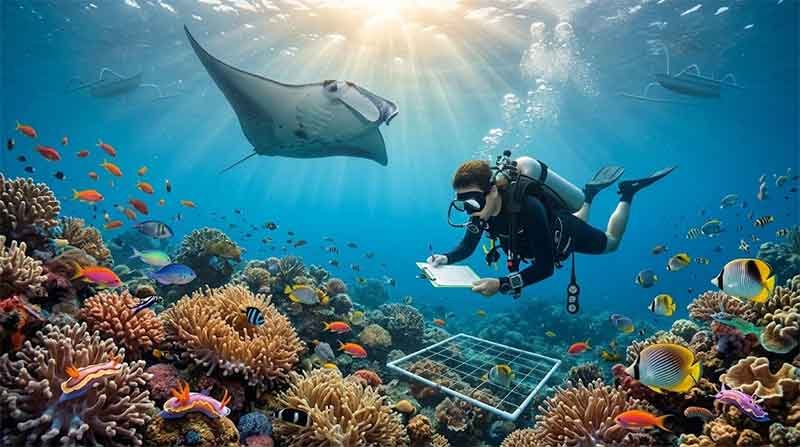
Bali's coral reefs, turtles, reef fish, nudibranchs, manta rays, and occasional mola mola provide incredible photography opportunities.
Hygiene Benefits of Personal Equipment
Some divers simply prefer using their own:
- Mask
- Snorkel
- Mouthpiece
- Wetsuit
Personal equipment eliminates concerns about sharing gear and often provides greater comfort throughout the trip.
Cost Comparison
Purchasing quality scuba equipment represents a significant investment.
For travelers diving only a few days each year, renting may be more economical.
However, frequent divers who complete many dives annually often recover the cost of personal equipment over time while enjoying better familiarity and comfort.
Consider:
- Number of dives per year
- Airline baggage fees
- Equipment maintenance costs
- Rental prices
- Convenience
There is no universal answer—the best choice depends on your diving habits.
Is Rental Equipment Safe in Bali?
At reputable dive centers, rental equipment is generally reliable and well maintained.
Professional operators typically:
- Service regulators regularly
- Replace worn components
- Inspect BCD inflators
- Sanitize wetsuits
- Test equipment before use
Before every dive, perform a complete buddy check regardless of whether the gear is rented or personally owned.
Which Option Is Best?
Choosing whether to bring your own dive gear depends on your priorities.
Bring your own equipment if you:
- Dive frequently.
- Own quality gear.
- Value familiarity.
- Want maximum comfort.
- Plan multiple dive days.
Rent equipment if you:
- Dive occasionally.
- Want lighter luggage.
- Are a beginner.
- Prefer convenience.
- Wish to avoid airline baggage fees.
Many experienced travelers use a hybrid approach by bringing their mask, dive computer, and sometimes fins while renting larger items.
Final Thoughts
Should You Bring Your Own Dive Gear to Bali? There is no single answer that fits every diver. Bali offers excellent rental equipment through reputable dive operators, making it easy for travelers to enjoy spectacular underwater adventures without transporting a full scuba kit. At the same time, experienced divers often appreciate the familiarity, comfort, and consistency of using their own equipment.
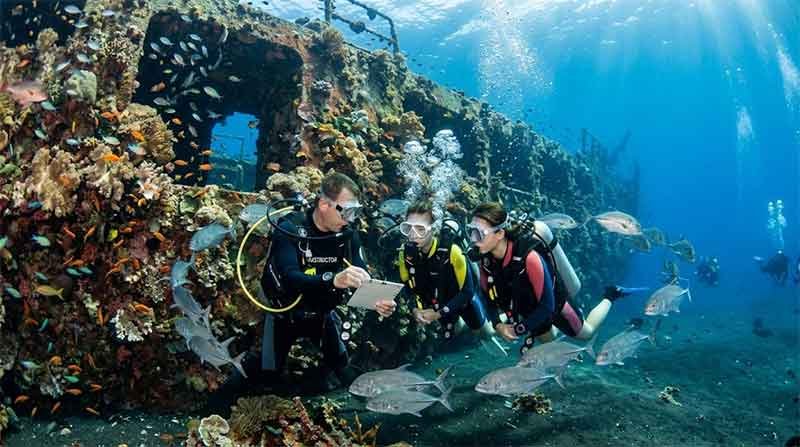
Evaluate your diving experience, travel style, airline baggage allowance, and planned number of dives before making your decision. Whether you pack your favorite gear or rely on professionally maintained rental equipment, Bali's vibrant coral reefs, historic shipwrecks, thrilling drift dives, and extraordinary marine life promise an unforgettable diving experience.