
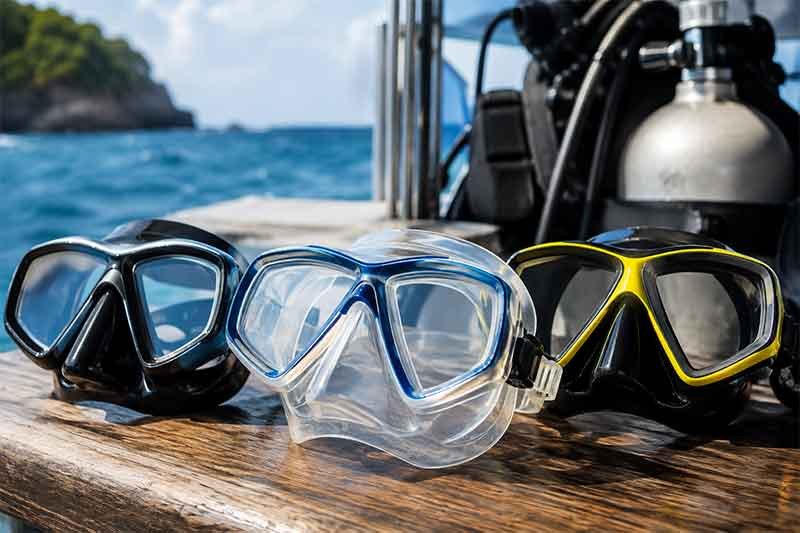
Choosing the Right Dive Mask is one of the most important decisions any scuba diver or snorkeler can make. A high-quality dive mask provides clear underwater vision, creates a reliable seal to keep water out, and ensures comfort throughout every dive. Whether you are a beginner preparing for your first dive in Bali or an experienced diver upgrading your equipment, selecting the right dive mask can significantly improve your underwater experience. This guide explains everything you need to know about choosing the perfect dive mask, including fit, lens types, skirt materials, maintenance tips, and common mistakes to avoid.
Why Your Dive Mask Matters
Your dive mask is your window to the underwater world. Unlike swimming goggles, a scuba diving mask creates an air space in front of your eyes, allowing you to focus clearly underwater. A poorly fitting mask can leak continuously, cause discomfort, and distract you from enjoying marine life.
A properly fitted dive mask offers several benefits:
- Clear underwater vision
- Comfortable fit during long dives
- Reduced water leakage
- Easy equalization
- Better safety underwater
- Less jaw and facial fatigue
Even the most expensive dive mask is not the best choice if it does not fit your face properly.
Understanding How a Dive Mask Works
A dive mask creates an enclosed air pocket between your face and the lens. This air space allows your eyes to focus underwater because water alone changes the way light enters your eyes.
Divers must also equalize the pressure inside the mask during descent by gently blowing air through the nose. That is why every scuba diving mask covers both the eyes and nose.
The Most Important Factor: Proper Fit
The number one priority when choosing a dive mask is fit.
Everyone has a different face shape, including:
- Narrow faces
- Wide faces
- High cheekbones
- Small noses
- Broad noses
- Round faces
- Oval faces
One mask may fit one diver perfectly while leaking badly on another.
How to Test a Dive Mask
A simple fit test can help determine whether a mask is suitable.
- Place the mask gently against your face.
- Do not use the strap.
- Inhale lightly through your nose.
- Release your hands.
A well-fitting mask should stay on your face for several seconds without falling off.
If you feel gaps around your cheeks or forehead, the mask may leak underwater.
Single Lens vs Dual Lens Dive Masks
One of the first choices divers encounter is lens style.
Single Lens Masks
Single lens masks have one continuous lens across the front.
Advantages include:
- Wider uninterrupted view
- Modern appearance
- Excellent peripheral vision
- Popular among recreational divers
Disadvantages include:
- Limited prescription lens options
- Slightly larger internal volume in some models
Dual Lens Masks
Dual lens masks separate the left and right lenses.
Advantages include:
- Easier to install prescription lenses
- Often lower internal volume
- Popular among underwater photographers
- Easier mask clearing for some divers
Disadvantages include:
- Center frame slightly interrupts vision
Neither design is universally better. The right choice depends on your preferences and diving needs.
Low Volume vs High Volume Masks
Internal volume refers to the amount of air inside the mask.
Low Volume Masks
Low volume masks are popular among:
- Scuba divers
- Freedivers
- Technical divers
- Underwater photographers
Benefits include:
- Easier mask clearing
- Easier equalization
- Smaller profile
- Closer lens positioning for improved vision
High Volume Masks
Higher volume masks may provide:
- Larger viewing area
- More spacious feeling
- Comfortable fit for larger faces
Most recreational scuba divers today prefer low-volume designs.
Choosing the Right Lens Material
Most quality scuba masks use tempered glass.
Tempered glass offers:
- Better scratch resistance
- Improved durability
- Safety if broken
- Excellent optical clarity
Avoid inexpensive plastic lenses for scuba diving because they scratch easily and may distort underwater vision.
Clear Skirt vs Black Skirt
The skirt is the soft silicone portion that seals against your face.
Clear Silicone Skirts
Benefits include:
- More natural light enters the mask
- Brighter appearance
- Good for beginners
- Less enclosed feeling
Possible drawbacks:
- More internal reflections
- Slight glare in bright conditions
Black Silicone Skirts
Benefits include:
- Reduced reflections
- Better contrast
- Preferred by underwater photographers
- Less distracting during photography
Many experienced divers eventually prefer black skirts, while new divers often enjoy the brightness of clear silicone.
Silicone Quality Matters
High-quality silicone improves both comfort and durability.
Premium silicone offers:
- Softer seal
- Better flexibility
- Longer lifespan
- Improved resistance to UV damage
- Better sealing on different face shapes
Avoid masks made from stiff rubber or low-quality silicone.
Frameless vs Framed Dive Masks
Frameless Masks
Frameless masks bond the silicone skirt directly to the glass.
Advantages:
- Lightweight
- Compact
- Lower volume
- Easy to pack for travel
Disadvantages:
- Fewer replacement parts
- Limited repair options
Framed Masks
Framed masks use a rigid frame around the lens.
Advantages:
- Very durable
- Easy lens replacement
- Prescription lens compatibility
- Wide variety of designs
Both styles perform well when properly fitted.
Prescription Dive Masks
Many divers wear glasses on land but switch to prescription dive masks underwater.
Options include:
- Factory prescription lenses
- Custom prescription lenses
- Reading lenses for gauges
- Progressive prescription lenses
Never wear regular glasses underneath a scuba mask.
If you wear contact lenses, consult your eye care professional before diving. Many divers successfully dive with soft contact lenses while following proper safety precautions.
Mask Strap Design
A quality strap improves comfort and stability.
Look for:
- Wide silicone straps
- Easy adjustment buckles
- Swivel buckles
- Durable attachment points
Avoid overly tight straps.
Many leaks occur because divers tighten the mask excessively instead of choosing the correct size.
How Tight Should a Dive Mask Be?
A common beginner mistake is overtightening.
The mask should:
- Sit comfortably
- Seal naturally
- Stay stable during movement
- Leave minimal pressure marks
Too much pressure can actually create leaks by deforming the silicone skirt.
Field of Vision
Modern dive masks vary greatly in viewing angle.
A wide field of vision helps divers:
- Spot marine life
- Monitor dive buddies
- Improve underwater awareness
- Enjoy panoramic reef views
Low-profile masks often position the lenses closer to the eyes, increasing visibility.
Color Choices
Although appearance is personal, some colors serve practical purposes.
Popular choices include:
- Black
- Blue
- Clear
- White
- Yellow
- Pink
The frame color has little effect on performance.
Fit always comes first.
Anti-Fog Performance
Even the best dive masks can fog if not prepared correctly.
Before diving:
- Clean new lenses thoroughly.
- Use an anti-fog solution.
- Rinse lightly before entering the water.
- Avoid touching the inside of the glass.
Proper preparation dramatically reduces fogging.
Traveling with Your Dive Mask
Many experienced divers travel with their own mask even if they rent the rest of their scuba equipment.
Benefits include:
- Familiar fit
- Better hygiene
- Reliable seal
- Consistent comfort
- Reduced chance of leaks
A dive mask is one of the easiest pieces of equipment to pack.
Common Mistakes When Buying a Dive Mask
Many new divers choose a mask based only on appearance.
Avoid these mistakes:
- Buying the cheapest option
- Ignoring proper fit
- Choosing style over comfort
- Overtightening the strap
- Purchasing non-tempered glass lenses
- Skipping anti-fog preparation
- Not testing the seal before diving
Caring for Your Dive Mask
Proper maintenance extends the life of your equipment.
After every dive:
- Rinse with fresh water.
- Dry naturally in the shade.
- Store inside a protective case.
- Keep away from direct sunlight.
- Avoid placing heavy objects on top of the lens.
- Inspect the strap regularly.
Regular care keeps the silicone soft and the lenses clear for years.
Is an Expensive Dive Mask Worth It?
Not always.
A mid-range mask that fits perfectly will outperform an expensive premium model that leaks.
Instead of focusing only on price, prioritize:
- Comfortable fit
- Tempered glass lenses
- High-quality silicone
- Reliable buckles
- Good visibility
- Trusted manufacturer
The best dive mask is the one that fits your face perfectly.
Choosing the Best Dive Mask for Bali Diving
If you plan to dive in Bali, comfort becomes especially important because many dive trips include multiple dives in a single day. Whether exploring colorful coral reefs, volcanic underwater landscapes, historic shipwrecks, or drift diving sites, a properly fitted dive mask allows you to focus on the incredible marine life rather than constantly clearing water from your mask.
Bringing your own dive mask is often recommended, even if you rent the rest of your scuba equipment. Using a familiar mask gives you greater confidence, consistent comfort, and a better overall diving experience throughout your trip.
Final Thoughts
Choosing the right dive mask is about much more than style or price. The perfect mask should provide an excellent seal, clear vision, lasting comfort, and dependable performance in every underwater environment. By focusing on fit, tempered glass lenses, quality silicone, and the right design for your diving style, you can enjoy safer and more enjoyable dives for years to come.
Whether you are just beginning your scuba journey or looking to upgrade your equipment, investing time in selecting the right dive mask is one of the smartest decisions any diver can make.
Related Posts: