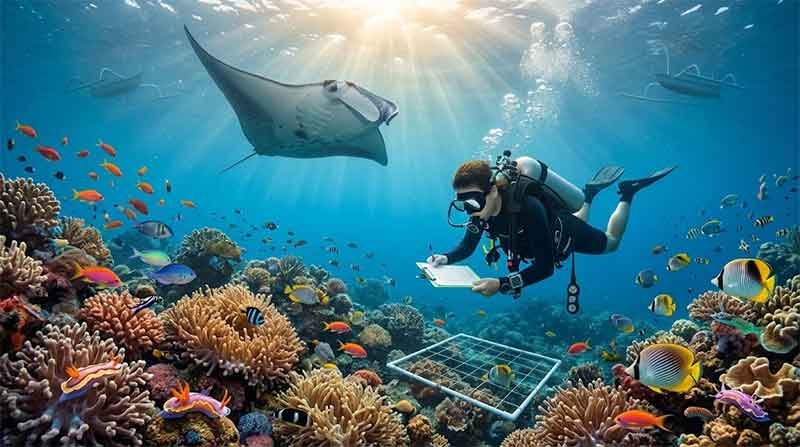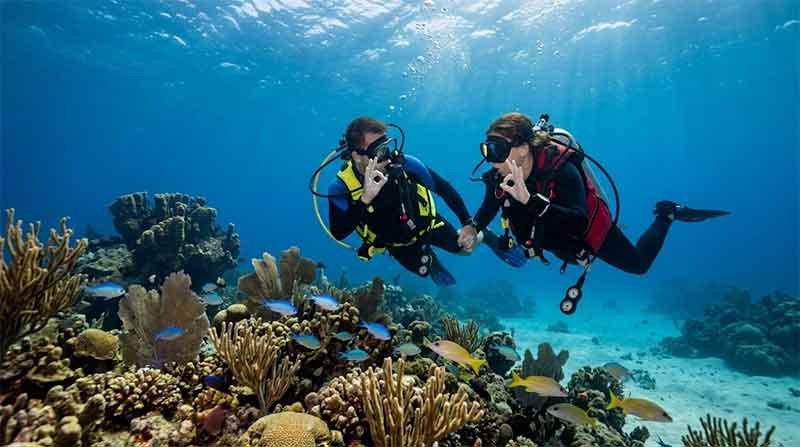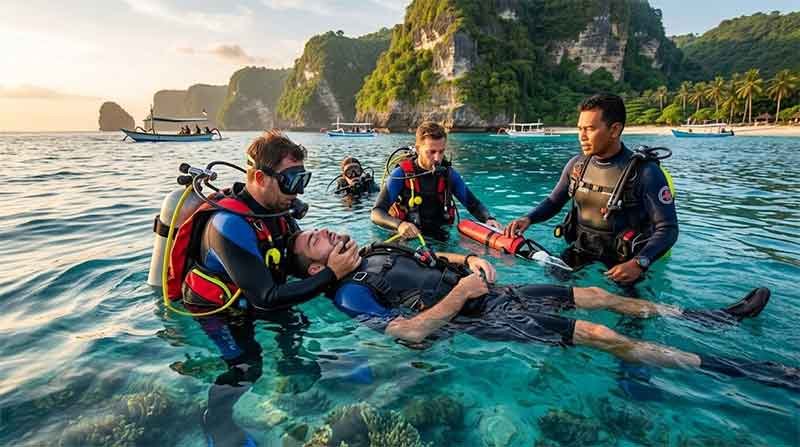
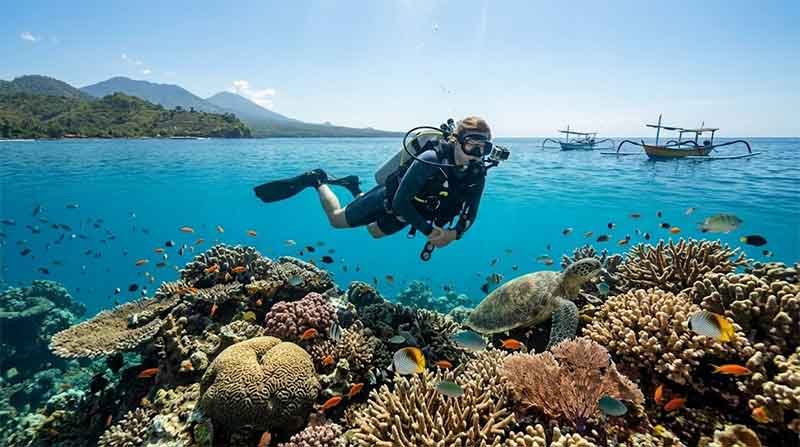
How to Dive Responsibly in Bali is an essential topic for anyone planning to explore the island's incredible underwater world. Bali is home to colorful coral reefs, historic shipwrecks, thriving marine life, and world-famous dive sites that attract divers from around the globe. However, the popularity of diving also brings greater responsibility.
Every diver has a direct impact on the marine environment, whether positive or negative. By following responsible diving practices, you can help preserve Bali's reefs, protect marine biodiversity, and ensure future generations can enjoy the same breathtaking underwater experiences.
Responsible diving goes beyond simply following dive safety rules. It includes respecting marine animals, maintaining excellent buoyancy, choosing environmentally conscious dive operators, reducing waste, and supporting local conservation efforts. Whether you are making your first dive or have hundreds of logged dives, responsible behavior underwater is one of the most important contributions you can make to Bali's marine ecosystem.
Why Responsible Diving Matters in Bali
Bali's waters are among the richest marine ecosystems in Indonesia. Healthy coral reefs support thousands of species, including reef fish, sea turtles, reef sharks, manta rays, octopuses, nudibranchs, and the famous mola mola during the right season.
These ecosystems face increasing pressure from:
- Climate change
- Coral bleaching
- Marine pollution
- Plastic waste
- Overfishing
- Careless tourism
- Physical damage caused by divers and snorkelers
Even a single accidental fin kick can break coral that has taken decades to grow. Responsible divers understand that protecting the reef is just as important as enjoying it.
Learn Proper Buoyancy Before Visiting Sensitive Dive Sites
Excellent buoyancy control is one of the most valuable diving skills.
Poor buoyancy often causes divers to:
- Kick corals with their fins
- Rest on fragile reef structures
- Stir up sediment
- Damage marine habitats
- Disturb underwater visibility
Practice neutral buoyancy during every dive. Keep your body horizontal, control your breathing, and adjust your buoyancy device carefully rather than constantly inflating or deflating it.
Many of Bali's reefs are shallow and delicate, making buoyancy especially important.
Benefits of Good Buoyancy
Proper buoyancy helps you:
- Protect coral reefs
- Reduce air consumption
- Improve underwater photography
- Stay safer during dives
- Avoid accidental contact with marine life
Never Touch Coral Reefs
Corals may look like colorful rocks, but they are actually living animals.
Touching coral can:
- Remove protective mucus
- Introduce bacteria
- Break fragile branches
- Kill coral polyps
- Slow reef recovery
Some hard corals grow only a few centimeters each year. Damage caused in seconds may require decades to recover.
Keep a safe distance from every reef throughout the dive.
Avoid Touching Marine Animals
Many underwater creatures become stressed when approached too closely.
Never touch:
- Sea turtles
- Manta rays
- Reef sharks
- Octopuses
- Seahorses
- Moray eels
- Frogfish
- Sea stars
- Jellyfish
Handling marine animals can remove protective coatings, increase stress, interrupt feeding behavior, and expose them to disease.
Observe quietly and allow wildlife to behave naturally.
Keep a Respectful Distance from Marine Life
Responsible wildlife encounters are based on patience rather than pursuit.
Avoid:
- Chasing turtles
- Blocking swimming paths
- Cornering octopuses
- Surrounding manta rays
- Swimming directly above resting sharks
If an animal changes direction because of your presence, you are probably too close.
The best underwater encounters happen when marine life feels comfortable around divers.
Do Not Feed Fish
Fish feeding may seem harmless, but it changes natural behavior.
Artificial feeding can:
- Create dependency
- Increase aggression
- Disrupt natural food chains
- Attract predators
- Damage reef ecosystems
Healthy marine environments depend on natural feeding habits.
Secure All Equipment
Loose equipment can accidentally strike coral reefs.
Before entering the water:
- Clip gauges securely
- Fasten alternate regulators
- Secure cameras
- Tighten accessories
- Keep hoses streamlined
A streamlined diver creates less environmental impact and enjoys better control underwater.
Use Reef-Safe Sunscreen
Many conventional sunscreens contain chemicals that may contribute to coral reef stress.
When spending time around Bali's beaches and dive boats:
- Choose reef-safe sunscreen
- Wear UV-protective clothing
- Use rash guards
- Apply sunscreen well before entering the water
Small choices from thousands of visitors can make a meaningful difference over time.
Never Collect Marine Souvenirs
Leave everything exactly where you find it.
Avoid collecting:
- Coral fragments
- Shells
- Sand
- Starfish
- Sea fans
- Drift coral
- Living organisms
Even empty shells often become homes for hermit crabs or other marine creatures.
Take photographs instead of souvenirs.
Respect Underwater Photography Ethics
Photography should never come before marine conservation.
Avoid:
- Moving animals into better positions
- Touching subjects
- Using excessive flash on sensitive species
- Blocking escape routes
- Harassing wildlife for photos
Patience always produces better underwater images than forcing wildlife interactions.
Avoid Standing on the Reef
Sometimes divers become tired while waiting for others or conducting safety stops.
Never:
- Stand on coral
- Hold onto reef structures
- Kneel on living coral
- Sit on rocks covered with marine life
If you need stability, improve your buoyancy rather than using the reef for support.
Follow Local Dive Guide Instructions
Local dive professionals understand Bali's conditions better than anyone.
Listen carefully during dive briefings regarding:
- Currents
- Marine protected areas
- Entry and exit procedures
- Sensitive habitats
- Wildlife interactions
- Photography guidelines
Their knowledge helps keep both divers and marine ecosystems safe.
Reduce Plastic Waste During Your Dive Trip
Ocean plastic remains one of the biggest environmental threats.
Simple actions include:
- Carry a reusable water bottle
- Avoid single-use plastics
- Bring reusable shopping bags
- Use refillable containers
- Dispose of waste properly
- Participate in beach cleanups
Many dive operators also organize underwater cleanup events that visitors can join.
Choose Eco-Friendly Dive Operators
Not all dive centers operate with the same environmental standards.
Look for operators that:
- Practice sustainable diving
- Limit group sizes
- Support reef conservation
- Educate divers about marine protection
- Avoid wildlife harassment
- Reduce plastic use
- Participate in local conservation programs
Choosing responsible businesses helps encourage sustainable tourism across Bali.
Respect Marine Protected Areas
Several parts of Bali include protected marine environments where additional regulations help preserve biodiversity.
These rules may include:
- No fishing zones
- No collecting marine life
- Restricted anchoring
- Protected coral gardens
- Wildlife conservation measures
Always follow local regulations when diving inside protected areas.
Help Protect Coral Restoration Projects
Many organizations throughout Bali are actively restoring damaged reefs.
Divers can support restoration by:
- Avoiding contact with restoration structures
- Donating to conservation programs
- Joining educational activities
- Sharing conservation awareness
- Choosing operators involved in reef restoration
Every responsible diver becomes part of the long-term solution.
Practice Excellent Dive Planning
Responsible diving starts before entering the water.
Plan your dive by considering:
- Weather
- Currents
- Experience level
- Air consumption
- Emergency procedures
- Environmental conditions
- Marine conservation guidelines
Good preparation reduces stress and minimizes environmental impact.
Dive Within Your Certification Limits
Attempting dives beyond your training increases risks for both you and the environment.
If conditions exceed your experience level:
- Choose another dive site
- Hire a private guide
- Take an advanced course
- Build experience gradually
Confident divers are generally more relaxed and environmentally responsible underwater.
Educate Other Divers Respectfully
If you notice environmentally harmful behavior, respond politely.
Lead by example through:
- Excellent buoyancy
- Respectful wildlife interactions
- Proper equipment management
- Sustainable diving habits
Positive behavior often inspires others more effectively than criticism.
Responsible Diving Benefits Local Communities
Healthy reefs support:
- Tourism businesses
- Local fishermen
- Marine biodiversity
- Coastal protection
- Scientific research
- Future generations
By diving responsibly, you contribute to Bali's economy while helping preserve one of the world's most valuable marine environments.
Common Mistakes Responsible Divers Avoid
Many reef impacts happen unintentionally.
Responsible divers avoid:
- Touching coral
- Chasing marine animals
- Feeding fish
- Wearing dangling equipment
- Standing on reefs
- Collecting shells
- Leaving trash behind
- Ignoring dive briefings
- Diving beyond certification limits
- Damaging restoration projects
Being mindful underwater greatly reduces your environmental footprint.
Final Thoughts
How to Dive Responsibly in Bali is about protecting one of the world's most extraordinary marine environments while enjoying unforgettable underwater adventures. Every responsible action—from maintaining perfect buoyancy to respecting marine life and supporting eco-conscious dive operators—helps preserve Bali's reefs for years to come. Sustainable diving ensures that vibrant coral gardens, majestic manta rays, sea turtles, colorful reef fish, and countless other marine species continue to thrive. By becoming a responsible diver, you not only enhance your own diving experience but also play a vital role in safeguarding Bali's underwater paradise for future divers, local communities, and the health of the ocean itself.
Related Posts: