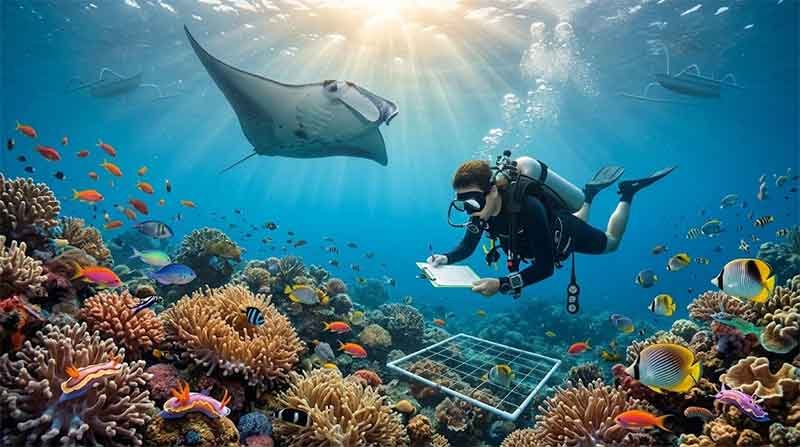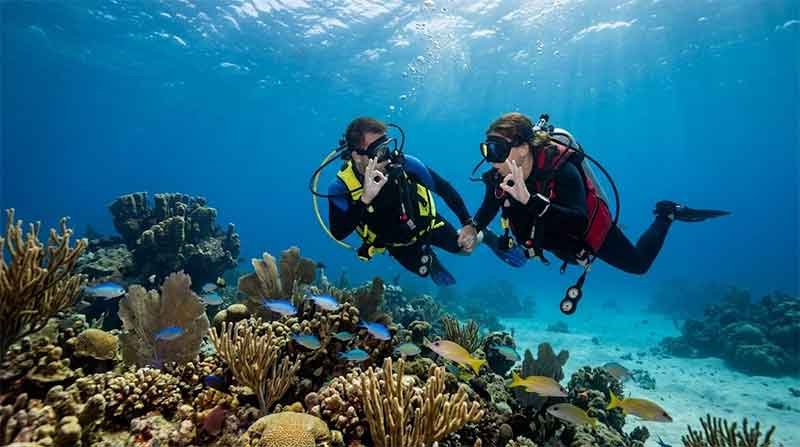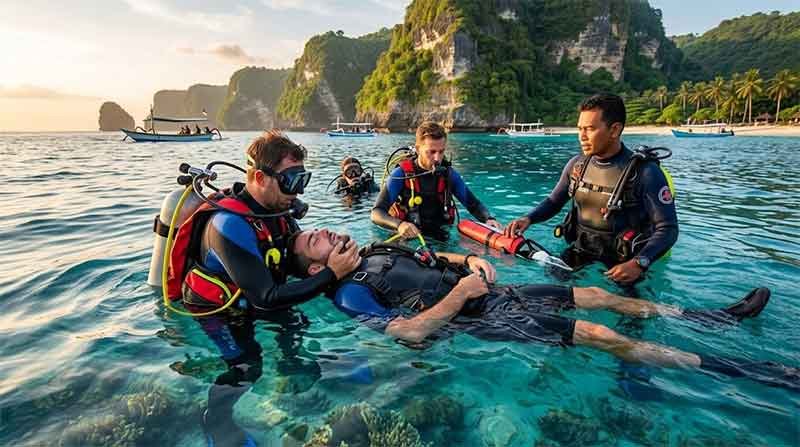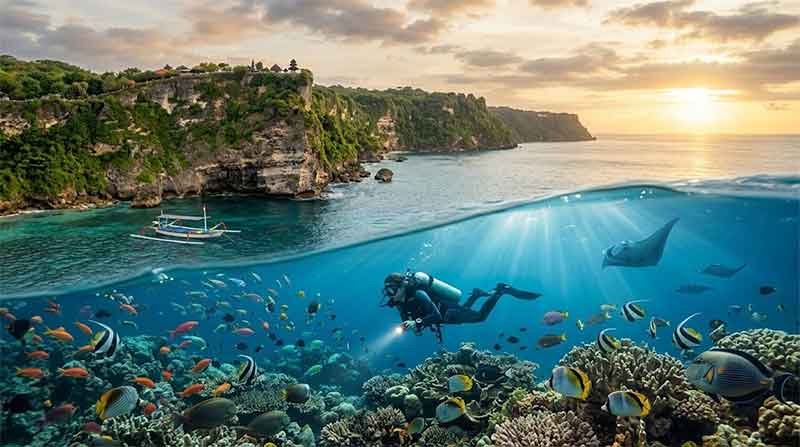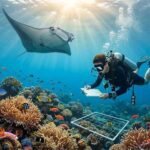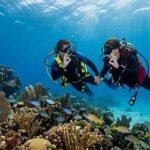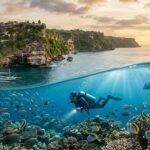
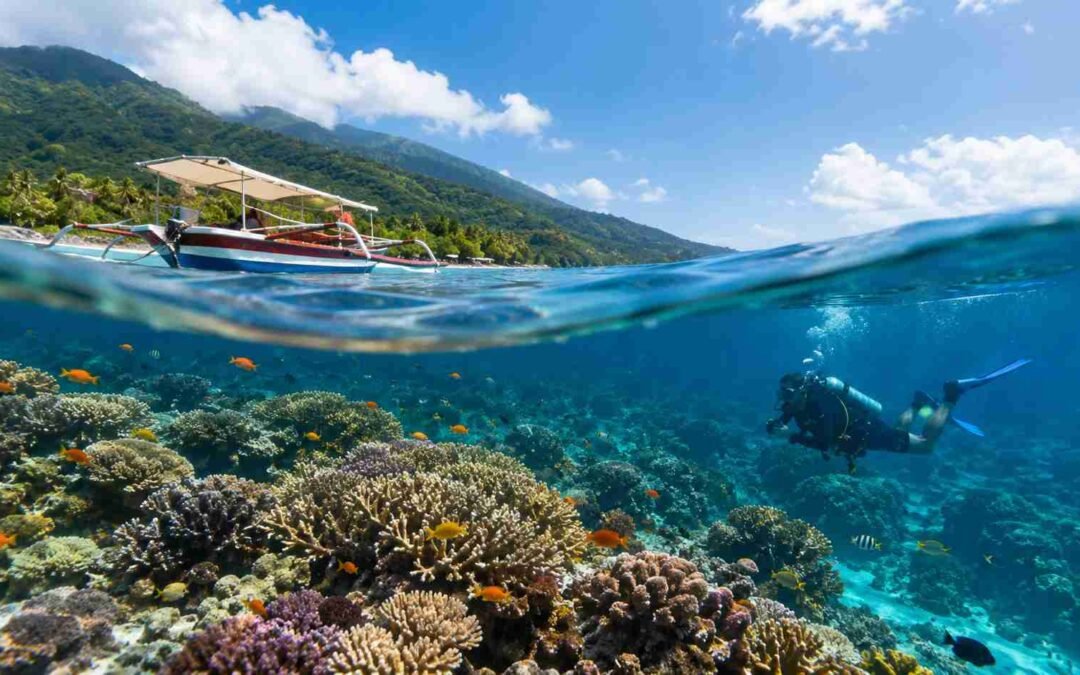
Coral Reefs of Bali Explained are essential to understanding why Bali is considered one of the world's top tropical diving and snorkeling destinations. Stretching across the island's coastline, these vibrant underwater ecosystems support thousands of marine species while protecting beaches from erosion and sustaining local fishing communities. Whether you are planning your first scuba diving adventure, looking for the best snorkeling spots, or simply interested in marine conservation, learning about Bali's coral reefs will help you appreciate the incredible biodiversity found beneath its crystal-clear waters.
What Are Coral Reefs?
Coral reefs are living ecosystems built by tiny marine animals called coral polyps. These small creatures secrete calcium carbonate skeletons that gradually form massive reef structures over hundreds and even thousands of years.
Although corals resemble colorful underwater plants, they are actually animals that live in colonies. Inside their tissues are microscopic algae known as zooxanthellae, which provide energy through photosynthesis. This unique relationship allows coral reefs to flourish in warm, clear tropical waters like those surrounding Bali.
Healthy coral reefs are often called the "rainforests of the sea" because they support an extraordinary variety of marine life despite covering only a tiny percentage of the ocean floor.
Why Bali Has Some of the Best Coral Reefs in Indonesia
Several natural factors make Bali an ideal environment for coral growth.
Warm Tropical Water
Sea temperatures typically range between 26°C and 29°C throughout most of the year, creating favorable conditions for coral development.
Excellent Water Clarity
Many dive sites around Bali enjoy outstanding underwater visibility, allowing sunlight to reach the corals and support photosynthesis.
Nutrient-Rich Ocean Currents
The Indonesian Throughflow carries nutrient-rich water between the Pacific and Indian Oceans. These currents help support both coral reefs and abundant marine life.
Diverse Underwater Topography
Bali features volcanic slopes, shallow lagoons, reef walls, coral gardens, and drift dive sites, providing habitats for countless marine species.
Types of Coral Reefs Found Around Bali
Bali offers remarkable diversity in reef structures, making every dive unique.
Fringing Reefs
These reefs grow directly along the coastline and are among the easiest to access. Many snorkeling locations feature beautiful fringing reefs just a short swim from shore.
Coral Gardens
Coral gardens consist of dense collections of hard and soft corals spread across sandy seabeds. They are perfect for beginner divers because of their shallow depth and calm conditions.
Reef Walls
Vertical coral walls plunge dramatically into deeper water. These formations attract larger pelagic fish while providing shelter for reef inhabitants.
Artificial Reefs
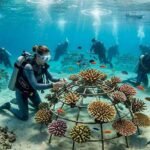
Several artificial reef projects around Bali use sunken structures to encourage coral growth and create new habitats for marine life.
The Main Types of Corals in Bali
Bali's reefs contain both hard corals and soft corals.
Hard Corals
Hard corals build the reef framework and include species such as:
- Brain corals
- Table corals
- Staghorn corals
- Boulder corals
- Plate corals
- Mushroom corals
These corals grow slowly but provide long-lasting structures that support entire reef ecosystems.
Soft Corals
Soft corals do not produce rigid skeletons. Instead, they sway gracefully with ocean currents and add brilliant colors to Bali's reefs.
Common varieties include:
- Sea fans
- Leather corals
- Tree corals
- Whip corals
- Colorful soft coral colonies
Their movement creates spectacular underwater scenery for photographers.
Marine Life That Depends on Bali's Coral Reefs
Healthy coral reefs provide food, shelter, breeding grounds, and protection for an incredible variety of marine animals.
Visitors commonly encounter:
- Clownfish
- Butterflyfish
- Angelfish
- Triggerfish
- Moorish idols
- Parrotfish
- Surgeonfish
- Damselfish
- Wrasses
- Sweetlips
- Groupers
- Lionfish
- Scorpionfish
- Seahorses
- Pipefish
- Moray eels
- Octopus
- Squid
- Cuttlefish
- Nudibranchs
- Reef sharks
- Green sea turtles
- Hawksbill turtles
- Manta rays
- Mola mola during the season
This extraordinary biodiversity makes Bali one of Southeast Asia's premier underwater destinations.
Best Places to Explore Coral Reefs in Bali
Tulamben
Tulamben is famous for healthy coral growth surrounding the USAT Liberty Shipwreck. Besides the wreck itself, nearby coral gardens host schools of reef fish, nudibranchs, turtles, and macro life.
Amed
Amed features extensive shallow reefs perfect for snorkeling and relaxed shore diving. Its calm conditions make it especially popular among beginners.
Nusa Penida
The reefs surrounding Nusa Penida are among the healthiest in Bali. Divers can explore dramatic reef walls while encountering manta rays and seasonal mola mola.
Menjangan Island
Located inside West Bali National Park, Menjangan Island boasts pristine coral reefs with exceptional visibility and colorful wall dives.
Padang Bai
Padang Bai combines coral gardens, sandy slopes, and reef structures that attract both macro creatures and larger marine species.
Candidasa
Candidasa offers beautiful coral formations and excellent opportunities to observe reef fish along volcanic underwater landscapes.
Coral Reef Ecosystems Support Local Communities
Coral reefs are not only beautiful—they are economically and environmentally valuable.
Healthy reefs support:
- Sustainable fisheries
- Tourism businesses
- Dive centers
- Snorkeling operators
- Local restaurants
- Boat captains
- Marine conservation organizations
Thousands of Balinese families rely directly or indirectly on healthy coral reef ecosystems.
Threats Facing Bali's Coral Reefs
Although many reefs remain healthy, they face several environmental challenges.
Climate Change
Rising ocean temperatures increase the risk of coral bleaching, where corals lose the algae they depend on for survival.
Ocean Pollution
Plastic waste and marine debris can damage coral colonies and harm marine animals.
Unsustainable Tourism
Touching corals, standing on reefs, or careless fin kicks can cause irreversible damage.
Destructive Fishing Practices
Although less common today, destructive fishing methods have historically impacted some reef areas.
Coastal Development
Sedimentation from construction can reduce water clarity and smother coral growth.
Read more: Bali Diving for Families
Coral Conservation Efforts in Bali
Many organizations, dive centers, and local communities work together to protect Bali's underwater environment.
Conservation initiatives include:
- Coral restoration projects
- Artificial reef installations
- Marine protected areas
- Reef monitoring programs
- Beach cleanups
- Environmental education
- Responsible tourism campaigns
These efforts help preserve Bali's reefs for future generations.
Read more: Bali Diving for Honeymooners
How Divers Can Protect Coral Reefs
Every diver and snorkeler can contribute to reef conservation.
Follow these simple guidelines:
- Never touch living corals.
- Maintain good buoyancy control.
- Avoid standing on reefs.
- Keep fins away from coral formations.
- Do not feed marine life.
- Collect only memories and photographs.
- Use reef-safe sunscreen whenever possible.
- Reduce plastic waste during your trip.
- Choose environmentally responsible dive operators.
Small actions by thousands of visitors make a significant difference.
Read more: Bali Diving for Solo Travelers
Best Time to See Bali's Coral Reefs
Coral reefs can be enjoyed throughout the year, but conditions vary by season.
The dry season generally offers:
- Better underwater visibility
- Calmer seas
- More sunshine
- Comfortable diving conditions
The rainy season can still provide excellent diving, particularly in sheltered locations where coral reefs remain vibrant and marine life remains abundant.
Read more: Small Group vs Private Diving in Bali
Why Bali's Coral Reefs Are World-Class
Bali offers an exceptional combination of healthy coral ecosystems, diverse marine life, excellent visibility, and dive sites suitable for every experience level. From colorful coral gardens to dramatic reef walls, every underwater landscape showcases the remarkable biodiversity of Indonesia's Coral Triangle.
Whether you are snorkeling over shallow reefs, photographing macro life, or exploring deeper coral formations during a scuba dive, Bali provides unforgettable encounters with one of nature's most spectacular ecosystems.
Read more: Safety Standards for Dive Centers in Bali
Conclusion
Coral Reefs of Bali Explained demonstrates why these underwater ecosystems are among the island's greatest natural treasures. Beyond their breathtaking beauty, Bali's coral reefs protect coastlines, support marine biodiversity, sustain local livelihoods, and attract divers from around the world. By practicing responsible diving and supporting conservation efforts, visitors can help ensure these extraordinary reefs continue to thrive for generations. Whether you are visiting Tulamben, Amed, Nusa Penida, Menjangan Island, Padang Bai, or Candidasa, exploring Bali's coral reefs is an unforgettable experience that reveals the true richness of Indonesia's underwater world.