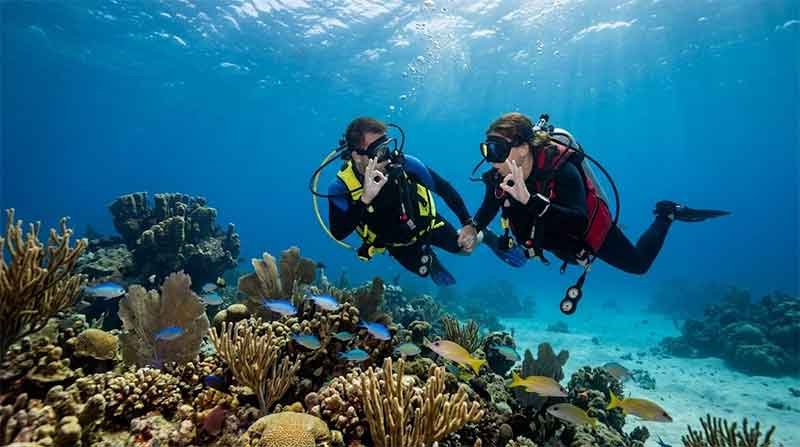
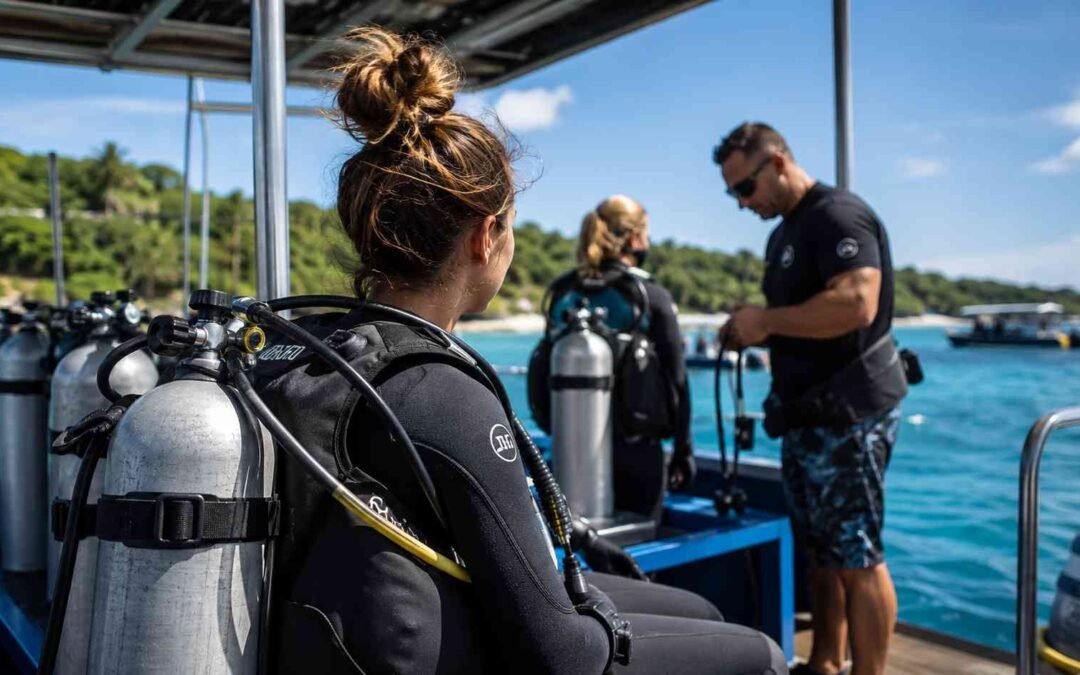
Safety Standards for Dive Centers in Bali are one of the most important factors every diver should consider before booking a scuba diving experience. Bali is renowned as one of the world's premier diving destinations, attracting beginners, certified divers, underwater photographers, and technical divers throughout the year. While Bali offers breathtaking coral reefs, historic shipwrecks, and encounters with manta rays and mola mola, choosing a dive center that follows strict safety standards is essential for enjoying these incredible experiences with confidence.
Professional dive operators understand that safety is not simply about having modern equipment. It includes certified instructors, properly maintained gear, emergency preparedness, comprehensive dive briefings, environmental awareness, and adherence to internationally recognized diving procedures. Whether you are taking your first Discover Scuba Dive or exploring deep dive sites as an experienced diver, understanding the safety standards followed by dive centers in Bali will help you choose a reliable operator.
Why Safety Matters When Diving in Bali
Scuba diving is generally very safe when conducted according to established procedures. However, underwater environments present unique challenges that require preparation, training, and proper supervision.
Professional dive centers minimize risks by:
- Following internationally recognized diving standards
- Using regularly serviced equipment
- Employing certified instructors and divemasters
- Monitoring weather and sea conditions
- Conducting detailed pre-dive safety briefings
- Maintaining emergency response plans
A reputable dive center prioritizes safety over schedules, ensuring every dive is conducted within safe limits.
International Diving Certifications
One of the first indicators of a professional dive center is its affiliation with internationally recognized training organizations.
Common diving agencies include:
PADI
The Professional Association of Diving Instructors (PADI) is the largest recreational diving organization worldwide. PADI dive centers follow standardized training materials, instructor requirements, and safety procedures.
SSI
Scuba Schools International (SSI) offers globally recognized certification programs with comprehensive safety protocols and continuing education for divers.
SDI
Scuba Diving International provides recreational and technical diving education with emphasis on modern diving techniques and diver safety.
NAUI
The National Association of Underwater Instructors is one of the oldest scuba training organizations, known for high educational standards and diver competence.
Regardless of the agency, instructors should possess current teaching status and active professional membership.
Certified and Experienced Dive Professionals
Professional instructors and divemasters are the backbone of safe diving operations.
Qualified dive professionals should have:
- Valid instructor or divemaster certification
- Current CPR certification
- Emergency First Response training
- Oxygen administration training
- Local dive site knowledge
- Experience with varying ocean conditions
Experienced guides understand Bali's currents, visibility patterns, marine life behavior, and entry points, significantly improving diver safety.
Equipment Maintenance Standards
Well-maintained equipment reduces the risk of underwater equipment failure.
Professional dive centers typically maintain:
Regulators
Regulators should receive scheduled servicing according to manufacturer recommendations. They should deliver smooth airflow without leaks.
Buoyancy Control Devices (BCD)
BCDs should inflate properly, maintain air pressure, and have functioning dump valves and inflators.
Dive Cylinders
Scuba tanks should undergo:
- Regular visual inspections
- Hydrostatic testing
- Proper filling procedures
- Clean air quality testing
Dive Computers
Many professional dive centers provide dive computers or encourage divers to bring their own for better dive planning and safety monitoring.
Emergency Oxygen Availability
Emergency oxygen is one of the most critical pieces of safety equipment on every dive boat.
Professional operators should carry:
- Fully stocked oxygen kits
- Oxygen masks
- Demand valves
- Spare cylinders
- Personnel trained in oxygen administration
Prompt oxygen delivery significantly improves outcomes during certain diving emergencies.
First Aid Equipment
Reliable dive centers maintain comprehensive first aid kits suitable for marine environments.
Typical supplies include:
- Bandages
- Antiseptics
- Splints
- Emergency blankets
- Seasickness medication
- Burn treatment
- Wound care supplies
Staff should know how to respond quickly to injuries before professional medical assistance arrives.
Emergency Action Plans
Professional dive centers prepare for emergencies long before entering the water.
Their emergency procedures often include:
- Contact information for emergency services
- Nearest medical facilities
- Hyperbaric chamber locations
- Evacuation procedures
- Boat communication systems
- Incident reporting protocols
Every staff member should understand their role during an emergency.
Thorough Dive Briefings
Every dive should begin with a detailed safety briefing.
A professional briefing normally covers:
- Dive site description
- Maximum depth
- Dive duration
- Entry and exit procedures
- Water conditions
- Current direction
- Marine life awareness
- Buddy procedures
- Emergency signals
- Lost buddy protocol
No diver should enter the water without understanding the dive plan.
Buddy System Procedures
The buddy system remains one of scuba diving's most effective safety practices.
Divers should:
- Conduct buddy equipment checks
- Stay within visual contact
- Monitor each other's air supply
- Communicate regularly underwater
- Ascend together
Professional guides reinforce buddy procedures before every dive.
Small Group Sizes
Smaller groups allow instructors to monitor divers more effectively.
Benefits include:
- Better supervision
- Improved communication
- Reduced underwater congestion
- Faster response during emergencies
- More personalized assistance
Many high-quality dive centers intentionally limit diver-to-guide ratios.
Pre-Dive Health Screening
Professional operators require divers to complete medical questionnaires before diving.
Health conditions that may require medical clearance include:
- Asthma
- Heart disease
- Recent surgeries
- Lung conditions
- Pregnancy
- Epilepsy
- Diabetes
- Certain medications
Honest disclosure protects both the diver and the dive team.
Weather and Ocean Condition Assessments
Conditions around Bali can change throughout the day.
Professional dive operators evaluate:
- Wind speed
- Wave height
- Tides
- Current strength
- Visibility
- Rain forecasts
- Boat safety
Responsible operators may postpone or relocate dives if conditions become unsafe.
Boat Safety Standards
Many Bali dive sites require boat transportation.
Safe dive boats should have:
- Life jackets
- Marine radios
- Emergency oxygen
- First aid kits
- Fire extinguishers
- GPS navigation
- Reliable engines
- Emergency ladders
Boat captains should be experienced with local waters and weather patterns.
Environmental Safety Practices
Protecting marine ecosystems also contributes to diver safety.
Responsible dive centers encourage divers to:
- Maintain proper buoyancy
- Avoid touching coral
- Never chase marine animals
- Secure loose equipment
- Use reef-safe sunscreen when appropriate
- Avoid collecting marine life
Healthy reefs create safer, more enjoyable dive environments.
Proper Air Management
Running out of air is a preventable diving emergency.
Professional instructors teach divers to:
- Monitor pressure gauges frequently
- Follow reserve air limits
- Begin ascent with adequate remaining air
- Communicate low-air signals early
Good air management reduces stress and improves overall safety.
Read more: Bali Diving for Non-Swimmers
Safe Ascent Procedures
Many diving injuries occur during improper ascents.
Professional dive centers emphasize:
- Slow ascent rates
- Safety stops
- Controlled buoyancy
- Continuous breathing
- Monitoring dive computers
- Staying close to buddies
These procedures reduce the likelihood of decompression-related injuries.
Read more: Bali Diving for Families
Importance of Dive Insurance
Although not always mandatory, dive insurance provides valuable protection.
Coverage may include:
- Emergency evacuation
- Hyperbaric chamber treatment
- Medical expenses
- Trip interruption
- Equipment loss
Divers traveling internationally often benefit from specialized diving insurance.
Read more: Bali Diving for Honeymooners
Questions to Ask Before Booking a Dive Center
Before making a reservation, consider asking:
- Which certification agency do you follow?
- Are instructors currently certified?
- How often is equipment serviced?
- Is emergency oxygen available?
- What is the instructor-to-diver ratio?
- Are dive computers provided?
- What happens if weather conditions change?
- Do you have emergency action procedures?
- Is transportation included?
- How experienced are your dive guides?
Professional operators will answer these questions openly and confidently.
Read more: Bali Diving for Solo Travelers
Red Flags to Watch For
Avoid dive operators that display warning signs such as:
- Poorly maintained equipment
- Rushed briefings
- Overcrowded dive groups
- Uncertified staff
- Lack of emergency oxygen
- No medical questionnaires
- Unsafe boats
- Pressure to dive despite poor conditions
- Missing safety equipment
- Inadequate communication
Choosing a reputable dive center may cost slightly more but offers significantly greater peace of mind.
Read more: Small Group vs Private Diving in Bali
Final Thoughts
Safety Standards for Dive Centers in Bali should always be your top priority when planning a scuba diving adventure. While Bali offers some of the world's most spectacular underwater experiences, the quality of your dive operator greatly influences both your safety and overall enjoyment. Professional dive centers invest heavily in instructor training, equipment maintenance, emergency preparedness, and responsible diving practices to ensure every guest has a memorable experience for the right reasons.
Before booking, take the time to research the dive center, ask questions, verify certifications, and confirm their commitment to internationally recognized safety standards. A well-managed dive operation not only protects its divers but also preserves Bali's incredible marine ecosystems for future generations. By choosing a dive center that places safety first, you can explore Bali's underwater world with confidence, knowing you are in capable and experienced hands.