
What Makes Nusa Penida Different from Tulamben and Padang Bai is a question many divers ask when planning a diving trip in Bali. While all three destinations are famous dive locations, they offer very different underwater experiences. Nusa Penida is known for its powerful currents, large pelagic marine life, and dramatic underwater landscapes. Tulamben is famous for its historic shipwreck and easy shore diving, while Padang Bai offers calm conditions and macro marine biodiversity. Understanding the differences between these locations helps divers choose the best destination based on their experience level, interests, and diving style.
Geographic Location and Ocean Conditions
One of the biggest differences between these dive destinations is their location and ocean environment. Nusa Penida sits off the southeast coast of Bali in deeper ocean waters influenced by the Indonesian Throughflow. This powerful ocean current moves water between the Pacific and Indian Oceans, creating stronger currents and colder water temperatures.
Tulamben, on the other hand, lies along Bali’s northeast coastline facing the Bali Sea. The waters here are typically calmer, with minimal current and excellent visibility. This makes Tulamben one of the most accessible diving destinations in Bali.
Padang Bai is located on the east coast of Bali and sits between Bali and Lombok. The area experiences some currents due to nearby straits, but overall the conditions are usually moderate and manageable. Compared to Nusa Penida, both Tulamben and Padang Bai offer much gentler diving environments.
Marine Life Diversity
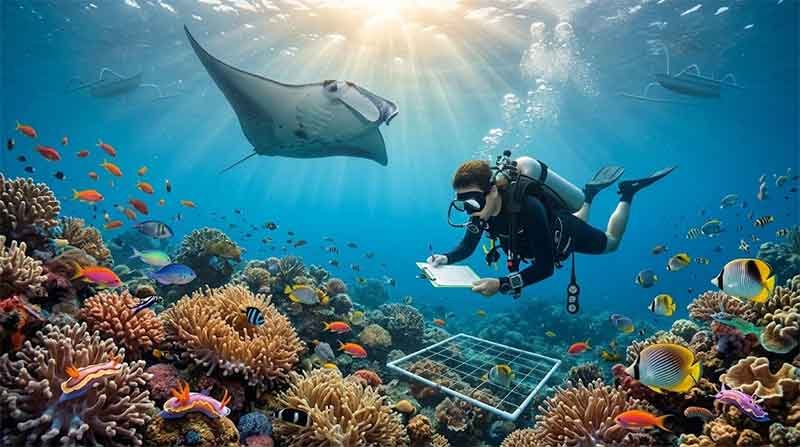
Marine life is another major factor that sets Nusa Penida apart from Tulamben and Padang Bai. Nusa Penida is famous for encounters with large pelagic species. Divers travel from around the world hoping to see manta rays and the elusive mola mola, also known as the ocean sunfish. These incredible animals are rarely seen in many other parts of the world.
Tulamben, however, is more focused on reef and wreck marine life. The coral-covered wreck provides shelter for thousands of fish species, nudibranchs, reef sharks, and colorful reef creatures. Macro life is abundant, making it a paradise for underwater photographers who enjoy small marine species.
Padang Bai sits somewhere in between. While you can still find reef fish and healthy coral gardens, the area is especially famous for its macro creatures. Frogfish, ghost pipefish, nudibranchs, and rare critters are often spotted here. For divers who enjoy searching for small, unusual marine life, Padang Bai is a fantastic location.
Signature Dive Sites
Each location is defined by its most famous dive sites. In Nusa Penida, the standout sites include Manta Point, Crystal Bay, and Toyapakeh. These dive sites feature dramatic drop-offs, strong currents, and the possibility of seeing large ocean species.
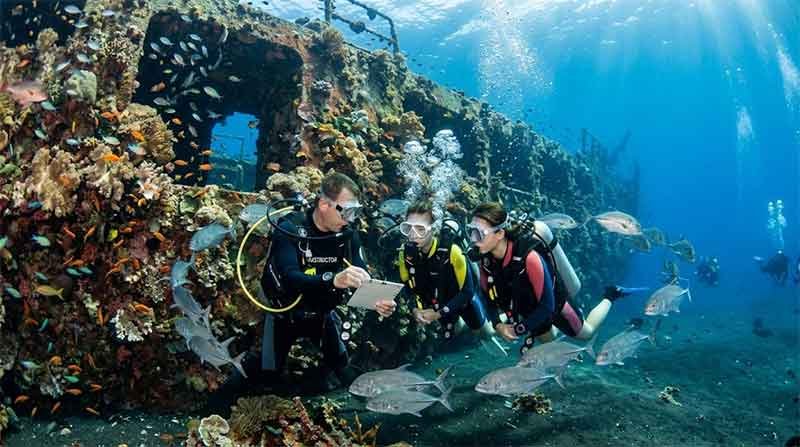
Tulamben is best known for the legendary USAT Liberty Shipwreck. This massive wreck rests just offshore and is accessible directly from the beach. Over the years, the ship has become completely covered in coral and marine life, turning it into one of the most famous wreck dives in the world.
Padang Bai is well known for sites like Blue Lagoon and Jepun. These dives feature sandy slopes, coral patches, and hidden critters. The calm water and easy access make them perfect for beginners and relaxed exploration.
Diving Difficulty and Experience Level
Another major difference between these dive destinations is the level of diving experience required.
Nusa Penida is generally recommended for experienced divers. Strong currents, deep dive sites, and unpredictable conditions require solid buoyancy control and good awareness underwater. Drift diving is common here, and divers must be comfortable with changing currents.
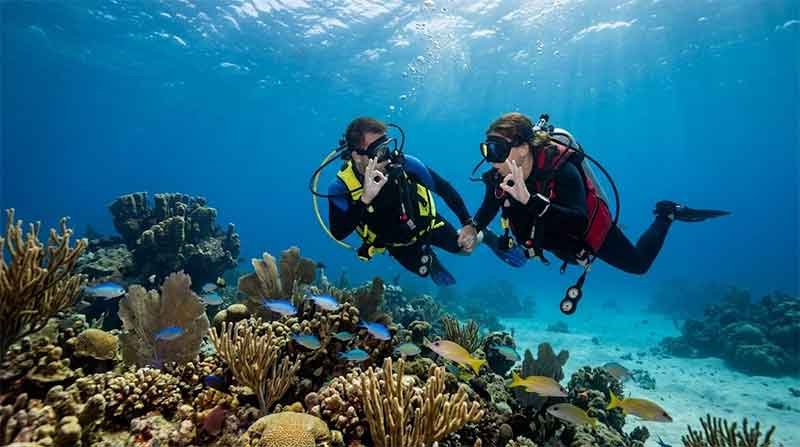
Tulamben is one of the best dive destinations in Bali for beginners. The shore entry is simple, currents are usually mild, and dive sites are easy to navigate. Many divers complete their first open water certification dives here.
Padang Bai is suitable for both beginners and intermediate divers. The conditions are usually calm, and dive sites are not very deep. This makes it an ideal place for relaxed dives, macro photography, and skill development.
Read more: Exploring The Best Dive Sites Around Tulamben Besides The Wreck
Water Temperature Differences
Water temperature is another factor that distinguishes these dive destinations. Nusa Penida is influenced by deep ocean currents that bring colder water from the depths. Temperatures can drop to around 20–24°C, especially during mola mola season.
Tulamben typically enjoys warmer water temperatures ranging from 26–29°C throughout most of the year. The calmer seas and protected coastline help maintain stable temperatures.
Padang Bai also tends to have warmer waters compared to Nusa Penida, although occasional thermoclines can cause brief temperature drops.
Read more: Nusa Penida Diving For Experienced Divers
Underwater Landscape and Topography
The underwater scenery in each location is unique.
Nusa Penida features dramatic underwater cliffs, steep drop-offs, and deep channels where strong currents flow. The terrain feels wild and untouched, offering a true open-ocean diving experience.
Tulamben’s underwater landscape is defined by the famous shipwreck and surrounding coral gardens. The gradual slope of the seabed allows divers to explore slowly while observing marine life living among the wreck structure.
Padang Bai offers a mix of coral reefs, sandy slopes, and small rocky formations. These environments create ideal hiding spots for rare macro creatures and small reef species.
Read more: Night Diving In Tulamben Is It Worth It
Accessibility and Travel Time
Travel logistics also differ significantly between these locations.
Reaching Nusa Penida requires a boat ride from Bali, usually departing from Sanur or Padang Bai harbor. The journey typically takes around 40 to 60 minutes depending on sea conditions.
Tulamben requires a drive across Bali’s scenic northeast coast. From popular tourist areas like Canggu or Seminyak, the trip usually takes about two and a half to three hours by car.
Padang Bai is closer to southern Bali and can usually be reached within one to one and a half hours, making it one of the most convenient diving locations for day trips.
Read more: Is Menjangan Suitable For Open Water Divers
The Overall Diving Experience
Ultimately, what makes Nusa Penida different from Tulamben and Padang Bai comes down to the type of diving experience each destination offers.
Nusa Penida delivers a thrilling big-ocean adventure where divers can encounter large marine animals and powerful currents. It feels wild, unpredictable, and exciting.
Tulamben offers one of the most famous wreck dives in the world combined with calm, easy diving conditions. It is perfect for both beginners and experienced divers who appreciate history and vibrant coral ecosystems.
Padang Bai provides a relaxed diving environment filled with unique macro marine life and beautiful reefs. It is ideal for divers who enjoy searching for rare creatures and taking underwater photographs.
Read more: Small Group Diving In Amed An Intimate Underwater Experience
Choosing the Best Dive Location in Bali
Choosing between Nusa Penida, Tulamben, and Padang Bai depends on what kind of underwater experience you want.
Divers seeking large marine animals and exciting drift dives often prefer Nusa Penida. Those who want to explore an iconic shipwreck with easy conditions typically choose Tulamben. Divers who enjoy calm water, colorful reefs, and rare macro species often fall in love with Padang Bai.
Each location showcases a different side of Bali’s underwater world. Together they form one of the most diverse diving regions in Indonesia, offering unforgettable experiences for divers of every skill level.
👉 Visit Bali Dive Center and contact us for diving information
📞 WhatsApp / Phone: +6281973850677
Our team will help you choose the perfect dive sites based on your level and what you want to see underwater — whether it’s manta rays in Nusa Penida, the famous wreck in Tulamben, or macro life in Padang Bai.