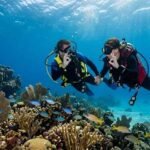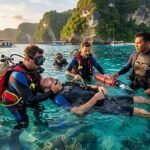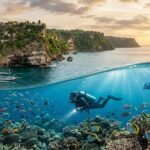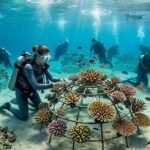
Running low on air before your dive buddy can be frustrating, especially when you are exploring a beautiful reef or swimming alongside marine life. The good news is that managing air consumption diving is a skill you can improve with practice, proper equipment, and better underwater habits.
You do not need to hold your breath or force yourself to breathe as slowly as possible. Instead, focus on staying relaxed, improving buoyancy, and moving efficiently. These simple changes can help you enjoy more of your dive while maintaining safe air reserves.
1. Improve Your Buoyancy Control
Buoyancy is one of the biggest factors affecting scuba air consumption. When you constantly rise, sink, or kick to maintain your depth, your body uses more energy and oxygen.
Practice achieving neutral buoyancy so you can hover comfortably without continuous finning. Adjust your weighting with guidance from a qualified instructor, and learn to control your position using small, controlled breaths.
Good buoyancy also helps protect marine life. Before exploring Bali's reefs, review these reef etiquette tips for divers to avoid accidental contact with corals.
2. Breathe Slowly and Naturally
Your breathing pattern directly affects how quickly you use the air in your tank. Rapid, shallow breathing often accompanies stress, exertion, or poor trim.
Instead, aim for calm, regular breathing. Let your inhalation and exhalation feel comfortable, and allow your lungs to empty naturally without forcing every breath.
Never hold your breath while scuba diving. Normal, continuous breathing is essential for safe ascents and descents. If you feel short of breath, stop exerting yourself, establish a comfortable position, and signal your buddy or guide if the feeling persists.
3. Swim at a Comfortable Pace
Swimming faster does not necessarily mean covering more useful ground underwater. Strong, unnecessary movements increase effort and can quickly raise your breathing rate.
Use slow, controlled fin kicks and avoid moving your arms excessively. Keep your body streamlined, with your legs positioned to reduce drag.
Think about gliding rather than constantly pushing yourself forward. This approach can be particularly helpful when exploring relaxed sites such as Tulamben's famous diving locations, where you may want to spend more time observing marine life.
4. Reduce Stress Before and During the Dive
Anxiety can increase breathing rate and make air consumption less efficient. This often happens to newer divers, but experienced divers can also feel stressed by unfamiliar conditions, currents, or equipment problems.
Prepare your gear without rushing, complete your buddy checks, and listen carefully to the dive briefing. Once underwater, stay close to your buddy and maintain a pace that feels manageable.
If you become anxious, stop in a safe position, breathe normally, and communicate with your buddy. Never push through panic just to finish a dive.
Divers who want to build confidence can also explore these tips for nervous divers.
5. Check Your Equipment and Weighting
Equipment problems can contribute to unnecessary air consumption. A poorly fitting mask, uncomfortable regulator, leaking connection, or incorrectly adjusted BCD can distract you and increase physical effort.
Before entering the water, check your equipment with your buddy and follow the dive operator's safety procedures. Make sure your BCD fits properly and your regulator feels comfortable to breathe through.
Excessive weight can also make buoyancy control harder. Ask a qualified instructor to help you check your weighting rather than removing weight without proper assessment.
6. Stay Warm and Maintain Good Trim
Cold water can increase your body's energy demands and make you breathe more rapidly. Even in tropical destinations, water temperature varies by location, depth, and season.
Choose exposure protection suitable for the conditions. A properly fitted wetsuit helps you stay comfortable throughout the dive.
Your horizontal body position, known as trim, matters too. Good trim reduces drag and makes swimming easier. If you are constantly swimming with your feet too low, you may need to work harder to maintain forward movement.
7. Monitor Your Air Supply Regularly
Efficient air consumption is useful, but awareness of your remaining supply is essential for every diver.
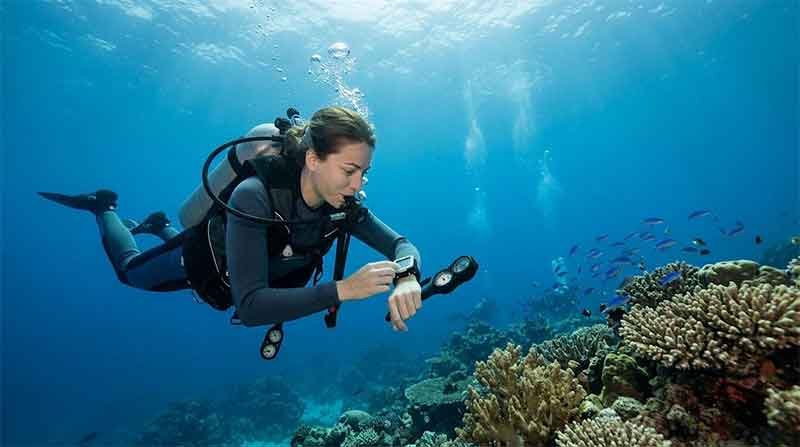
Check your pressure gauge at intervals agreed upon during the dive briefing. Tell your buddy when you reach the agreed pressure, and follow the dive plan for ending the dive.
Do not wait until your tank is nearly empty to begin returning. Your reserve must account for the actual conditions, including depth, current, and the possibility of increased breathing during an ascent.
Remember that a longer dive is never worth compromising your safety.
8. Understand What Affects Your Air Consumption
Several factors influence how quickly you use your breathing gas. These include depth, physical effort, water temperature, stress, fitness, equipment configuration, and individual physiology.
At greater depths, the gas delivered with each breath is denser and contains more gas molecules than the same volume at the surface. As a result, your cylinder pressure generally decreases faster for a comparable breathing pattern and duration.
This is one reason two divers using similar-sized tanks can finish a dive with very different air supplies.
Rather than comparing yourself with another diver, focus on your own progress and maintain safe limits.
9. Track Your Progress Between Dives
Your dive log can reveal patterns in your air consumption over time. Record your starting and ending cylinder pressures, dive duration, maximum depth, water conditions, and equipment configuration.
Compare dives with similar depths and conditions to make your observations more meaningful. You may discover that calmer swimming, better trim, or improved confidence helps you use less air.
Avoid treating a lower breathing rate as the only measure of progress. Comfortable breathing, sound judgment, and consistent safety procedures matter more than matching another diver's performance.
10. Choose Dive Sites That Match Your Experience
Conditions can influence how much effort you need underwater. Strong currents, surge, waves, and unfamiliar entry points may increase physical demand and stress.
Choose dive sites suited to your certification, experience, and current conditions. For example, Padang Bai diving offers different underwater environments to explore, while Amed diving can be a good option for divers seeking a more relaxed experience when conditions are suitable.
Always follow your guide's advice and the dive briefing. Site selection should prioritize appropriate conditions and safety rather than simply aiming for a longer dive.
Final Thoughts on Managing Air Consumption Diving
Managing air consumption diving is not about forcing yourself to breathe less. It is about becoming a more relaxed, efficient, and confident diver through better buoyancy, controlled movement, suitable equipment, and regular practice.
Monitor your air supply, communicate with your buddy, and follow your dive plan on every dive. With experience, you may find that you can explore underwater environments more comfortably without rushing to conserve air.
Planning a dive trip to Bali? Bali Diving Center Scuba is among the diving operators in Bali you can contact to discuss dive sites and arrangements suited to your experience.
Visit the Bali Diving Center Scuba website or contact the team by phone, SMS, or WhatsApp at +62 817-7501-7301. You can also use the website's chat button to ask about your next diving adventure.