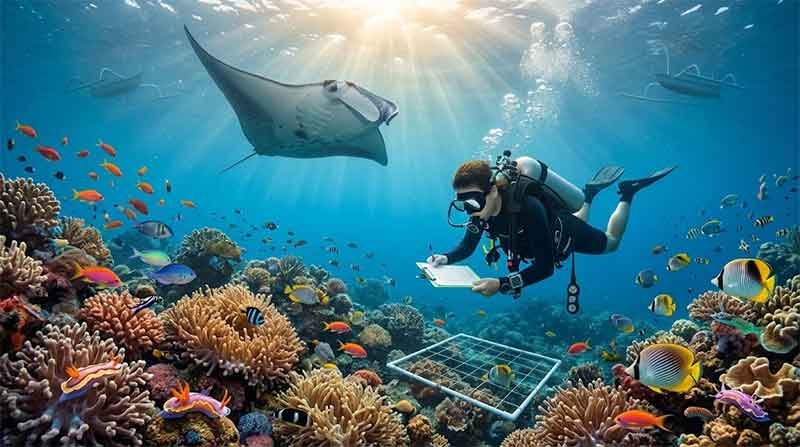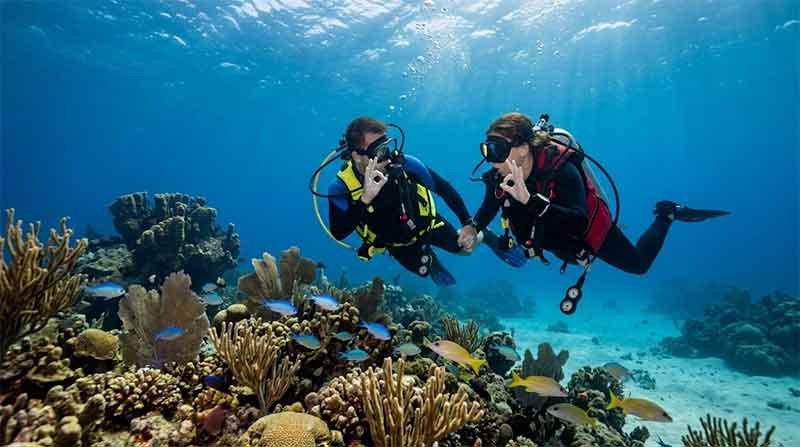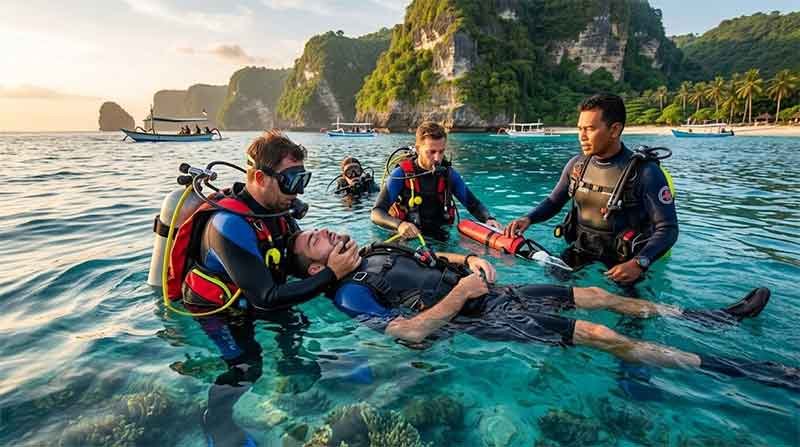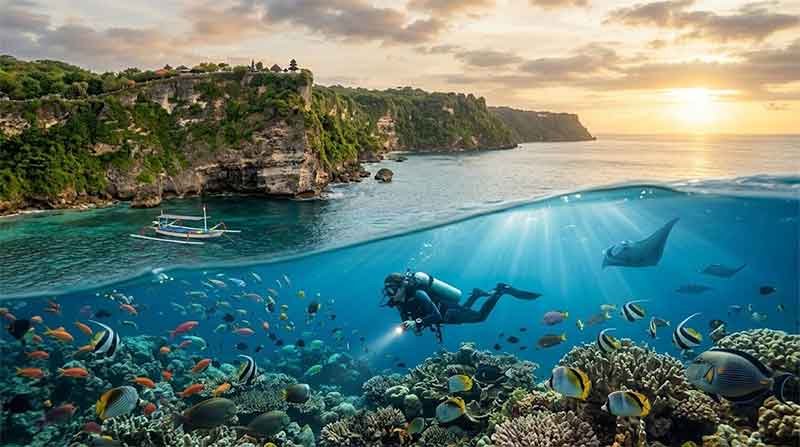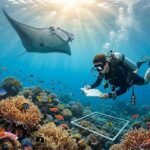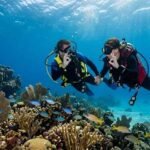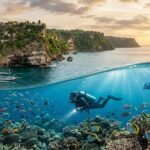
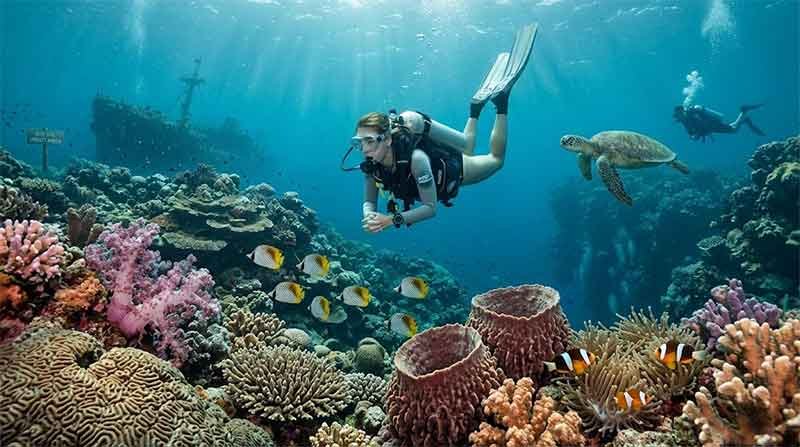
Reef Etiquette for Divers in Bali is one of the most important topics every scuba diver and snorkeler should understand before entering the island's beautiful underwater world. Bali is home to vibrant coral reefs, colorful tropical fish, sea turtles, manta rays, reef sharks, and countless other marine species that depend on healthy reef ecosystems.
Whether you are diving in Tulamben, Nusa Penida, Padang Bai, Amed, Menjangan Island, or Secret Bay, practicing proper reef etiquette helps preserve these fragile habitats for future generations. Every responsible diver has the power to reduce environmental impact while enjoying unforgettable underwater adventures.
Why Reef Etiquette Matters
Coral reefs are among the most diverse ecosystems on Earth. Although they appear solid like rocks, corals are living animals that grow extremely slowly. Some coral colonies may take decades or even centuries to reach their current size. A single careless kick from a fin, an accidental touch, or standing on coral can destroy years of natural growth within seconds.
Bali's reefs support thousands of marine organisms while protecting coastlines from erosion and providing livelihoods for local communities through tourism and fisheries. Healthy reefs also attract divers from around the world, making marine conservation essential for sustainable tourism.
By following reef etiquette, divers become active participants in protecting one of Bali's greatest natural treasures.
Understand That Coral Is Alive
Many first-time divers mistakenly believe coral is simply colorful rock. In reality, coral reefs are colonies of tiny animals called polyps that build calcium carbonate skeletons over time.
Touching coral can:
- Damage delicate coral tissue
- Spread disease between colonies
- Remove protective mucus layers
- Break fragile branching corals
- Slow natural reef recovery
Even if the coral appears hard, it remains a living organism deserving respect.
Master Your Buoyancy Before Exploring Reefs
Good buoyancy control is perhaps the most important skill for reef conservation.
Divers with poor buoyancy often:
- Kick coral accidentally
- Stir up sand and sediment
- Crash into reef walls
- Damage marine habitats
- Disturb marine animals
Taking time to practice buoyancy in shallow water before visiting sensitive dive sites greatly reduces environmental impact.
Experienced divers float effortlessly without touching the reef, allowing marine life to behave naturally.
Tips for Better Buoyancy
- Breathe slowly and steadily.
- Maintain proper weighting.
- Keep fins elevated above the reef.
- Practice neutral buoyancy frequently.
- Stay aware of your surroundings.
The better your buoyancy, the safer both you and the reef will be.
Never Touch Marine Life
Many underwater creatures appear friendly or curious, but they should always be observed without physical contact.
Avoid touching:
- Sea turtles
- Manta rays
- Octopuses
- Seahorses
- Frogfish
- Reef sharks
- Moray eels
- Nudibranchs
- Starfish
- Sea fans
Touching wildlife can cause stress, remove protective coatings, spread bacteria, or interrupt natural behaviors.
Photography should never come before animal welfare.
Keep a Respectful Distance
Marine animals need space to feed, rest, hunt, and reproduce.
A good rule is to remain several meters away whenever possible.
Avoid:
- Chasing turtles
- Blocking swimming paths
- Surrounding manta rays
- Cornering octopuses
- Following marine mammals too closely
When divers remain calm and patient, wildlife often approaches naturally.
Perfect Your Finning Technique
Poor finning techniques are responsible for significant reef damage worldwide.
Avoid:
- Bicycle kicking near coral
- Dragging fins
- Wide frog kicks in narrow spaces
- Hovering too low
Instead, use controlled fin movements that keep your fins well above reef structures.
Small improvements in technique make a big difference.
Secure All Equipment
Loose equipment can accidentally scrape coral or disturb marine life.
Before entering the water, secure:
- Alternate air source
- Pressure gauge
- Dive computer
- Camera accessories
- SMB
- Torch
- Reels
- Action cameras
Nothing should dangle below your body.
Professional divers always streamline their equipment.
Do Not Collect Marine Souvenirs
Leave shells, coral fragments, and other natural objects exactly where they belong.
Taking souvenirs may seem harmless, but every object plays a role within the ecosystem.
Empty shells often become homes for hermit crabs.
Broken coral becomes habitat for small fish and invertebrates.
The best souvenirs are photographs and memories.
Avoid Feeding Marine Animals
Feeding fish changes their natural behavior and can create long-term ecological problems.
Artificial feeding may:
- Increase aggression
- Spread disease
- Alter migration patterns
- Reduce natural hunting
- Disrupt reef ecology
Healthy marine ecosystems function best without human interference.
Respect Dive Site Rules
Different dive sites in Bali have different regulations depending on local conservation efforts.
Some areas may restrict:
- Gloves
- Flash photography
- Anchoring
- Certain entry points
- Number of divers
- Fishing activities
Always listen carefully during the dive briefing and follow your guide's instructions.
These rules exist to protect both divers and marine life.
Be Careful with Underwater Photography
Photography has become an important part of scuba diving, but photographers must remain aware of their surroundings.
Never:
- Hold coral for stability
- Move marine animals for better photos
- Chase wildlife repeatedly
- Block escape routes
- Damage habitats to create cleaner compositions
Ethical underwater photography captures natural behavior without disturbing the environment.
The best images come from patience rather than interference.
Protect Bali's Famous Dive Sites
Bali offers a remarkable variety of underwater environments, each requiring responsible diving practices.
Tulamben
The Liberty Shipwreck attracts divers from around the world. Avoid touching both the wreck and the coral growing on it.
Nusa Penida
Strong currents make buoyancy control especially important. Respect manta rays by maintaining a safe viewing distance.
Padang Bai
Macro life thrives here. Avoid touching sandy bottoms unnecessarily to prevent disturbing tiny creatures.
Menjangan Island
Known for spectacular coral walls, this marine protected area deserves extra care and attention.
Amed
Colorful coral gardens are easily damaged by careless finning, making buoyancy skills essential.
Never Stand on Coral
Some divers stand on coral while adjusting masks or taking photographs.
This should never happen.
Even dead-looking coral structures often support living organisms, algae, sponges, and juvenile fish.
Instead:
- Maintain neutral buoyancy.
- Hold position using proper breathing.
- Use sandy areas only if absolutely necessary and permitted.
Practice Good Environmental Awareness
Responsible divers constantly monitor their surroundings.
Stay aware of:
- Current direction
- Nearby divers
- Coral formations
- Marine animals
- Boat traffic
- Changing visibility
Situational awareness reduces accidents and minimizes environmental impact.
Participate in Ocean Conservation
Many divers choose to give back by supporting marine conservation.
Ways to help include:
- Join underwater cleanups.
- Report damaged reefs.
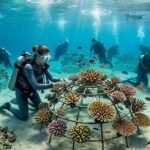
- Support reef restoration projects.
- Reduce plastic consumption.
- Choose eco-friendly dive operators.
- Educate new divers.
Small actions from thousands of divers create lasting positive change.
Use Reef-Safe Sunscreen
If snorkeling or spending time at the surface, choose reef-safe sunscreen whenever possible.
Certain sunscreen chemicals have been linked to coral stress and bleaching.
Look for products designed to minimize environmental impact while still protecting your skin from UV exposure.
Choose Responsible Dive Operators
The dive center you choose can significantly influence reef conservation.
Responsible operators typically:
- Provide environmental briefings.
- Limit diver group sizes.
- Maintain equipment properly.
- Respect marine protected areas.
- Follow sustainable diving practices.
- Encourage responsible underwater behavior.
Supporting environmentally responsible businesses helps preserve Bali's reefs over the long term.
Teach New Divers Good Habits
Experienced divers play an important role in protecting marine ecosystems by setting positive examples.
Encourage beginners to:
- Improve buoyancy.
- Respect wildlife.
- Avoid touching coral.
- Secure equipment.
- Dive slowly and carefully.
Building good habits early benefits every future dive.
Common Mistakes Divers Should Avoid
Even experienced divers occasionally develop bad habits.
Common mistakes include:
- Touching coral for balance
- Standing on reefs
- Chasing sea turtles
- Feeding fish
- Taking shells
- Wearing dangling equipment
- Poor buoyancy control
- Kicking sediment onto coral
- Crowding marine animals
- Ignoring dive briefings
Recognizing these behaviors is the first step toward becoming a more responsible diver.
Reef Etiquette Benefits Everyone
Practicing reef etiquette creates benefits that extend beyond conservation.
Responsible diving helps:
- Preserve biodiversity
- Improve underwater visibility
- Protect endangered species
- Support sustainable tourism
- Enhance diver safety
- Maintain Bali's world-class reputation as a diving destination
- Create better wildlife encounters
- Protect local livelihoods
Healthy reefs provide unforgettable experiences while supporting the island's economy and marine ecosystems.
Conclusion
Reef Etiquette for Divers in Bali should be a fundamental part of every diving adventure. Bali's spectacular coral reefs are living ecosystems that require careful protection from everyone who enters the water. By mastering buoyancy, respecting marine life, securing equipment, avoiding contact with coral, and following environmentally responsible diving practices, divers help ensure these underwater habitats remain vibrant for generations to come. Every dive is an opportunity to enjoy Bali's incredible marine biodiversity while leaving nothing behind except bubbles and taking nothing away except unforgettable memories.
Related Posts: