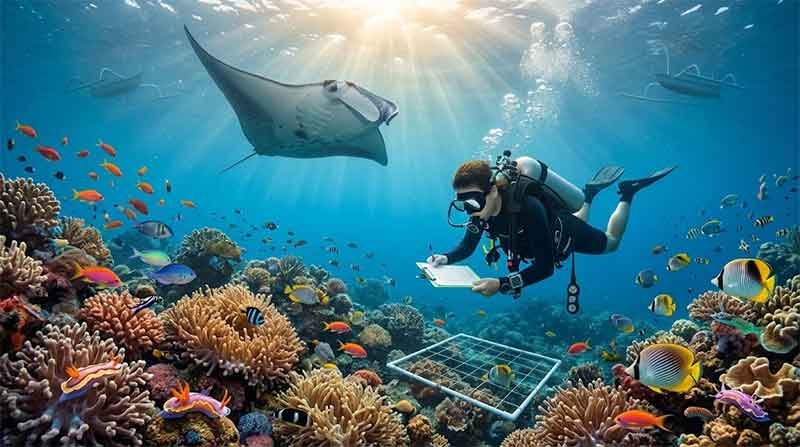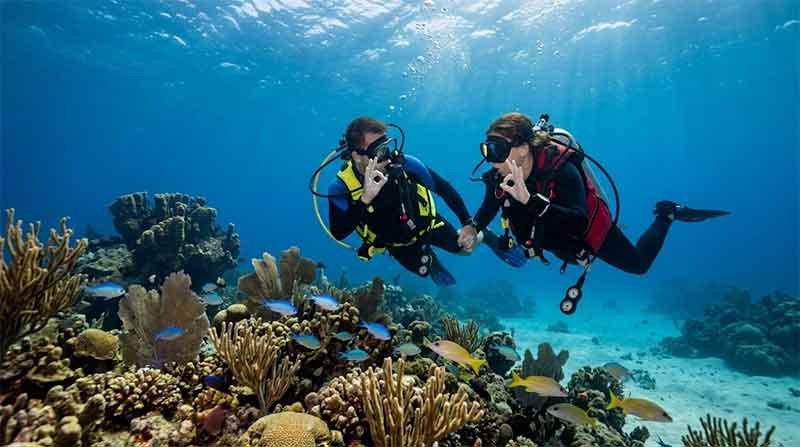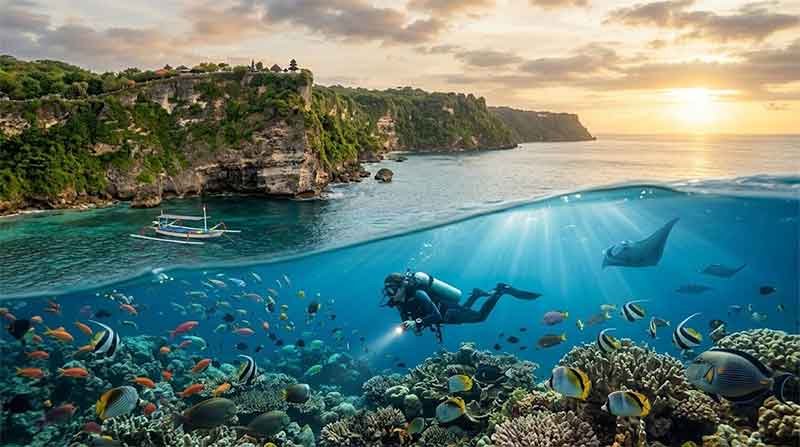
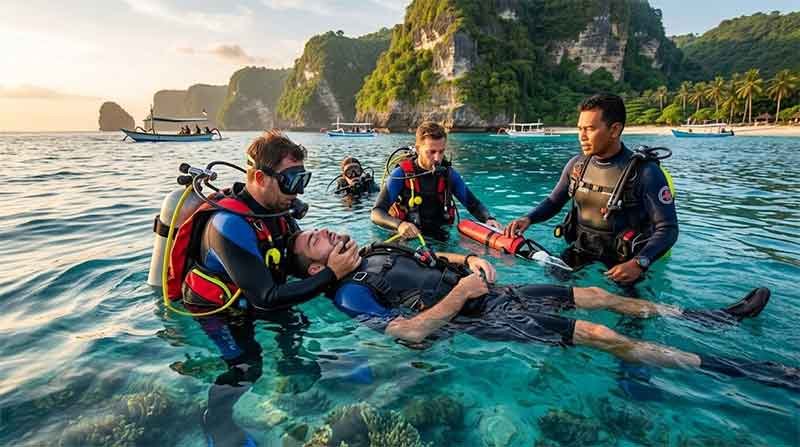
Rescue Diver Course in Bali Explained is an essential guide for divers who want to move beyond basic recreational diving and become more confident, aware, and prepared underwater. While many people think the Rescue Diver Course is only for professionals, it is actually designed for recreational divers who want to improve their safety skills, prevent diving accidents, and learn how to assist other divers in emergency situations. Taking a Rescue Diver Course in Bali gives you the opportunity to train in some of the world's most beautiful dive sites while gaining practical experience under the guidance of experienced instructors.
Whether your goal is to become a better dive buddy, prepare for a Divemaster program, or simply increase your confidence underwater, Bali offers an ideal environment to complete your Rescue Diver certification.
What Is a Rescue Diver Course?
The Rescue Diver Course is an advanced scuba diving certification that teaches divers how to identify, prevent, and manage dive-related emergencies. Unlike previous certifications that mainly focus on your own diving skills, this course shifts your attention toward helping others while maintaining your own safety.
Throughout the course, students learn how to recognize stress in divers, respond to emergencies on the surface and underwater, conduct search and recovery operations, and administer first aid until professional medical help arrives.
The course is widely regarded as one of the most rewarding scuba certifications because it develops both technical skills and mental confidence.
Why Choose Bali for Your Rescue Diver Course?
Bali has become one of the world's leading scuba diving destinations, making it an excellent place to complete rescue diver training. The island offers warm tropical waters, diverse marine life, calm training locations, and experienced multilingual instructors.
Some advantages include:
- Year-round diving conditions
- Excellent underwater visibility
- Variety of dive environments
- Professional dive centers
- Affordable course packages
- Beautiful scenery for a memorable learning experience
Training in Bali also allows students to practice rescue scenarios in realistic ocean conditions while still enjoying spectacular coral reefs and marine biodiversity.
Who Can Join the Rescue Diver Course?
The Rescue Diver Course is suitable for certified divers who want to improve their overall diving abilities.
Generally, you should:
- Hold an Advanced Open Water Diver certification (or equivalent)
- Have completed Emergency First Response (CPR & First Aid) training within the previous two years, or complete it before certification
- Meet the minimum age requirement established by your training agency
- Be medically fit for diving
If you do not yet have recent first aid training, many dive centers in Bali offer both courses together.
Skills You Will Learn
The Rescue Diver Course focuses on real-world scenarios rather than simply practicing dive techniques.
Students typically learn:
Self-Rescue Skills
Before helping others, divers must know how to protect themselves.
Topics include:
- Managing stress underwater
- Dealing with cramps
- Equipment problems
- Controlled emergency ascents
- Surface survival
Recognizing Diver Stress
One of the most important rescue skills is identifying problems before they become emergencies.
You will learn how to recognize:
- Anxiety
- Fatigue
- Poor buoyancy
- Panic
- Equipment issues
- Environmental hazards
Early intervention often prevents accidents from happening.
Emergency Management
Students practice responding to various emergency situations including:
- Tired diver rescue
- Panicked diver rescue
- Unresponsive diver recovery
- Missing diver procedures
- Search patterns
- Exit strategies
- Oxygen administration awareness
- Emergency action planning
These exercises are repeated until students become comfortable responding under pressure.
Surface Rescue Techniques
Not every rescue occurs underwater.
You'll also practice:
- Assisting exhausted divers
- Towing techniques
- Safe exits
- Removing equipment
- Managing unconscious divers
- Calling emergency services
Good communication and teamwork are emphasized throughout the course.
What Happens During the Course?
Although schedules vary by dive center, the Rescue Diver Course generally includes classroom learning, confined water practice, and open water rescue scenarios.
A typical course includes:
- Knowledge development
- Rescue workshops
- Confined water exercises
- Open water rescue scenarios
- Final practical assessments
Many students complete the course over two to three days.
Common Rescue Scenarios
During training, instructors create realistic situations to test your problem-solving skills.
Examples include:
- Lost diver searches
- Panicked diver underwater
- Unresponsive diver on the surface
- Unresponsive diver underwater
- Boat emergency response
- Shore rescue
- Multiple diver emergencies
- Equipment malfunction situations
The goal is not speed but calm, organized decision-making.
Best Dive Locations in Bali for Rescue Training
Bali offers several excellent locations for Rescue Diver courses.
Sanur
Sanur provides calm water and easy shore entries, making it ideal for practicing rescue techniques.
Padang Bai
Padang Bai combines protected bays with open-water conditions, allowing instructors to simulate different rescue situations.
Tulamben
Known for its famous wreck diving, Tulamben also offers gentle shore access and excellent visibility for rescue exercises.
Amed
Amed features relaxed diving conditions and multiple training sites suitable for rescue practice.
Nusa Penida
More experienced students may complete parts of their training around Nusa Penida, where currents provide valuable experience managing more challenging conditions.
Physical Fitness Requirements
You do not need to be an elite athlete, but reasonable physical fitness is important.
Students should be comfortable:
- Swimming
- Floating
- Carrying scuba equipment
- Towing another diver
- Managing physically demanding rescue scenarios
Regular exercise before the course can make training more enjoyable.
Mental Skills Developed During the Course
Many divers discover that the Rescue Diver Course improves much more than rescue techniques.
Students often gain:
- Greater confidence
- Better awareness
- Stronger leadership
- Improved communication
- Calm decision-making
- Enhanced situational awareness
These skills benefit every future dive.
Equipment Used During Training
Most students use standard recreational scuba equipment.
Additional rescue equipment may include:
- Surface marker buoy (SMB)
- Pocket mask
- Emergency oxygen kit
- First aid supplies
- Throw ropes
- Rescue floats
Dive centers usually provide specialized rescue equipment during training.
How Difficult Is the Rescue Diver Course?
Many divers worry that Rescue Diver training will be extremely difficult.
In reality, the course is challenging but highly enjoyable.
The focus is on:
- Problem solving
- Teamwork
- Practice
- Communication
- Staying calm
Your instructor guides you throughout every exercise, ensuring you understand each rescue technique before moving forward.
Benefits of Becoming a Rescue Diver
Completing the Rescue Diver Course offers long-term advantages.
Benefits include:
- Increased diving confidence
- Better safety awareness
- Stronger buddy skills
- Improved emergency preparedness
- Enhanced diving experience
- Preparation for professional-level training
- Greater enjoyment on every dive
Many experienced divers describe Rescue Diver as the certification that changed the way they approach diving.
Can Rescue Diver Help You Become a Professional?
Absolutely.
The Rescue Diver certification is typically required before entering professional scuba programs such as Divemaster and Instructor training.
Even if you never plan to work professionally, the rescue skills gained make you a more valuable dive buddy and a safer diver.
Tips for Success
To get the most from your Rescue Diver Course:
- Arrive well-rested.
- Stay hydrated.
- Review your diving knowledge beforehand.
- Practice buoyancy control.
- Listen carefully during rescue briefings.
- Communicate with your instructor.
- Stay calm during scenarios.
- Treat every exercise as a real emergency.
Remember that mistakes are part of learning, and every scenario builds your confidence.
Is the Rescue Diver Course Worth It?
For many divers, the Rescue Diver Course is considered the most valuable certification they ever earn. It transforms the way you think underwater, helping you become more observant, responsible, and capable of handling unexpected situations. Rather than focusing solely on your own dive, you learn to anticipate potential problems, support your dive buddy, and react effectively when emergencies arise.
Completing the course in Bali adds another layer of value. With warm tropical waters, diverse dive sites, experienced instructors, and world-class marine life, Bali provides an exceptional environment to develop rescue skills while enjoying unforgettable dives. Whether your ambition is to continue toward professional scuba certifications or simply become a safer recreational diver, the Rescue Diver Course is a worthwhile investment in your confidence, knowledge, and lifelong diving journey.
Conclusion
Rescue Diver Course in Bali Explained demonstrates why this certification is often regarded as one of the most important milestones in a diver's education. Beyond learning rescue techniques, you develop greater awareness, stronger problem-solving abilities, and the confidence to respond effectively in challenging situations. Bali's ideal diving conditions, professional instruction, and diverse underwater environments make it one of the best places in the world to complete this transformative course. By becoming a Rescue Diver, you not only improve your own safety but also contribute to creating a safer and more enjoyable diving experience for everyone around you.
Related Posts: