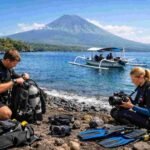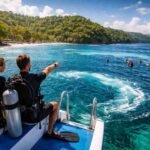
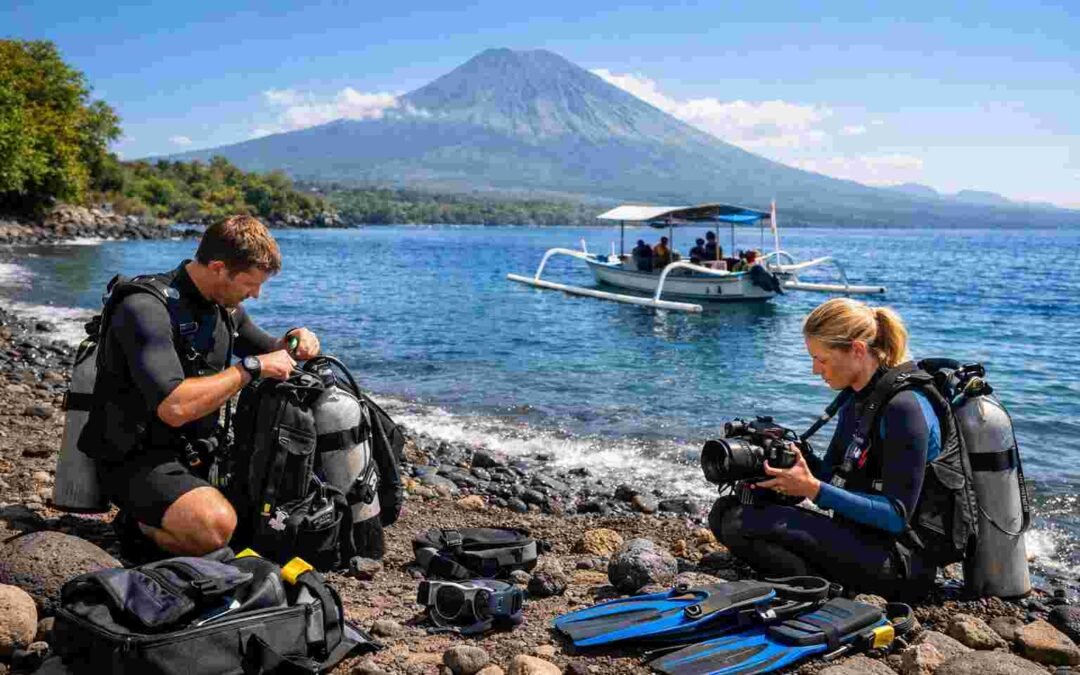
What Equipment Is Best for Tulamben Diving? This is one of the most common questions divers ask before planning a trip to Tulamben, a small coastal village in Bali famous for its calm conditions, easy shore entries, and the iconic USAT Liberty Wreck. Choosing the right gear ensures you stay comfortable, safe, and ready to fully enjoy the incredible marine life and underwater scenery this destination offers.
Understanding Tulamben Diving Conditions
Tulamben is known for its relatively warm waters, typically ranging between 27–30°C (80–86°F). Visibility can vary from 10 to 30 meters depending on weather and currents, while most dives are accessible directly from the shore over volcanic pebble beaches.
Because of these conditions, divers don’t need heavy cold-water equipment, but they do benefit from gear that offers comfort during multiple dives and protection from minor scrapes on rocky entries.
Essential Diving Equipment for Tulamben
Wetsuit (3mm or 5mm)
A 3mm wetsuit is usually sufficient for most divers due to the warm water temperature. However, if you plan multiple dives per day or tend to get cold easily, a 5mm wetsuit provides extra insulation without sacrificing mobility. Besides warmth, a wetsuit also protects against sun exposure and contact with coral or wreck surfaces.
Mask with Wide Field of View
Tulamben dives often involve exploring wide wreck structures and coral gardens, so a low-volume mask with a wide lens design is ideal. A good fit is essential to prevent leaks and ensure clear vision while navigating the wreck or photographing marine life.
Fins Suitable for Shore Entry
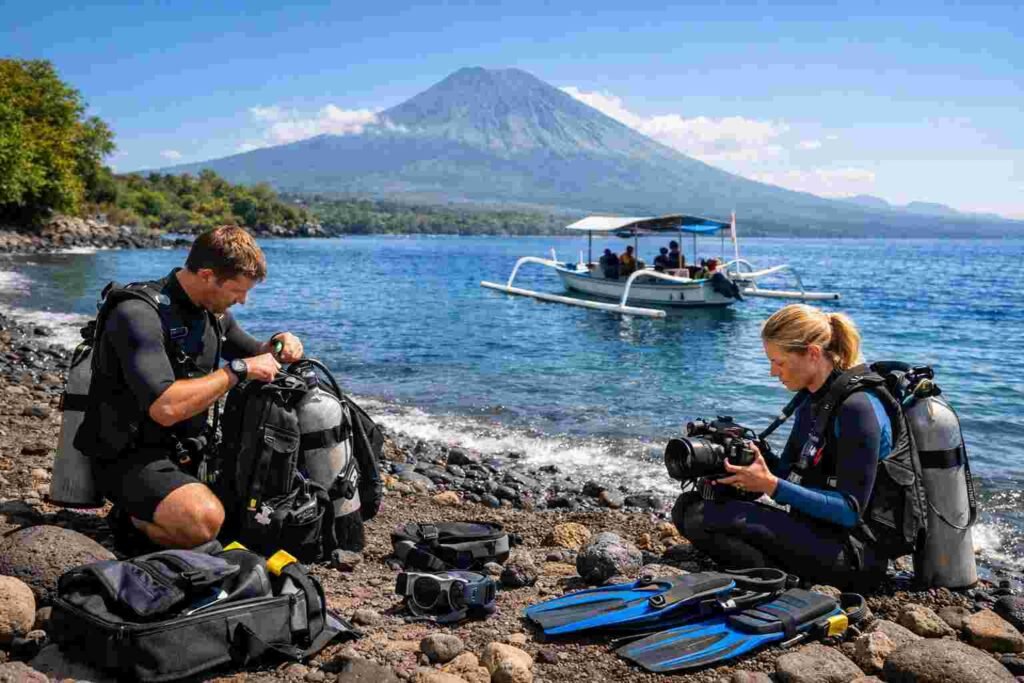
Because many dives start from a rocky shoreline, sturdy open-heel fins paired with booties are recommended. They provide better grip and comfort when walking over volcanic stones compared to full-foot fins.
Dive Booties
Booties are highly recommended in Tulamben. The pebble beach entries can be uncomfortable barefoot, and booties help prevent slips and minor injuries while entering and exiting the water.
Buoyancy and Air Management Gear
Buoyancy Control Device (BCD)
A lightweight yet durable BCD works best. Since most dives are relatively shallow and calm, you don’t need a technical setup, but good trim and easy inflation controls help when hovering around the wreck or reef.
Regulator with Environmental Protection
While Tulamben isn’t a cold-water destination, a regulator with basic environmental sealing is beneficial to handle varying conditions and ensure consistent airflow, especially if you’re doing repetitive dives.
Dive Computer
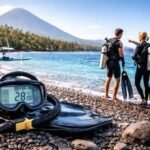
A dive computer is strongly recommended, even for recreational dives. Tulamben’s dive profiles often involve long bottom times, particularly around the wreck, so monitoring depth, time, and no-decompression limits helps you dive safely.
Read more: What Water Temperature Can You Expect in Menjangan Island
Accessories That Improve the Experience
Surface Marker Buoy (SMB)
Although many Tulamben dives are close to shore, carrying an SMB adds an extra layer of safety, especially if you drift slightly during a dive or surface away from your entry point.
Underwater Torch
A torch is extremely useful when exploring the wreck’s crevices or for early morning and night dives. It enhances colors, helps you spot critters, and improves overall visibility inside shaded areas.
Gloves (If Allowed)
Some operators allow thin gloves, which can be helpful for protecting hands from sharp metal edges on the wreck or rocky surfaces. Always check local dive guidelines before using them.
Read more: Diving Blue Lagoon vs Jepun: What’s the Difference
Photography and Specialty Gear
Tulamben is a paradise for underwater photographers thanks to macro critters and dramatic wreck scenery.
Underwater Camera Setup
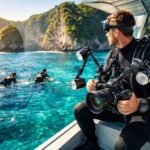
A compact camera with a strobe or a mirrorless system works well. Wide-angle lenses are perfect for capturing the full scale of the wreck, while macro lenses are ideal for small marine creatures like nudibranchs and pygmy seahorses.
Reef Hook (Rarely Needed)
Currents are usually mild, so reef hooks are rarely necessary. However, they can be useful on occasional drift dives nearby.
Read more: Why Underwater Photographers Love Nusa Penida
Renting vs Bringing Your Own Gear
If you’re traveling light, Tulamben has many reputable dive centers offering high-quality rental equipment. However, bringing your personal mask, computer, and exposure suit can significantly improve comfort and fit, especially if you plan multiple dive days.
Read more: What Water Temperature Should You Expect in Tulamben
Tips for Packing Smart
Choose quick-dry materials to make traveling easier, and pack gear in a protective dive bag. Bringing spare items such as mask straps, O-rings, and defog solution can save time and prevent small issues from interrupting your dives.
Read more: Is There Current in Padang Bai Dive Sites
Conclusion
The best equipment for diving in Tulamben focuses on comfort, durability, and simplicity. A lightweight wetsuit, reliable buoyancy setup, sturdy fins with booties, and a dive computer will cover most needs, while accessories like a torch and camera enhance the experience. With the right gear, you can fully enjoy Tulamben’s world-class shore dives, vibrant marine life, and the unforgettable exploration of its historic wrecks.