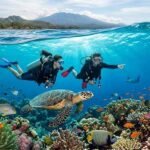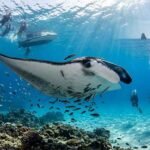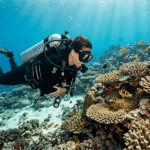
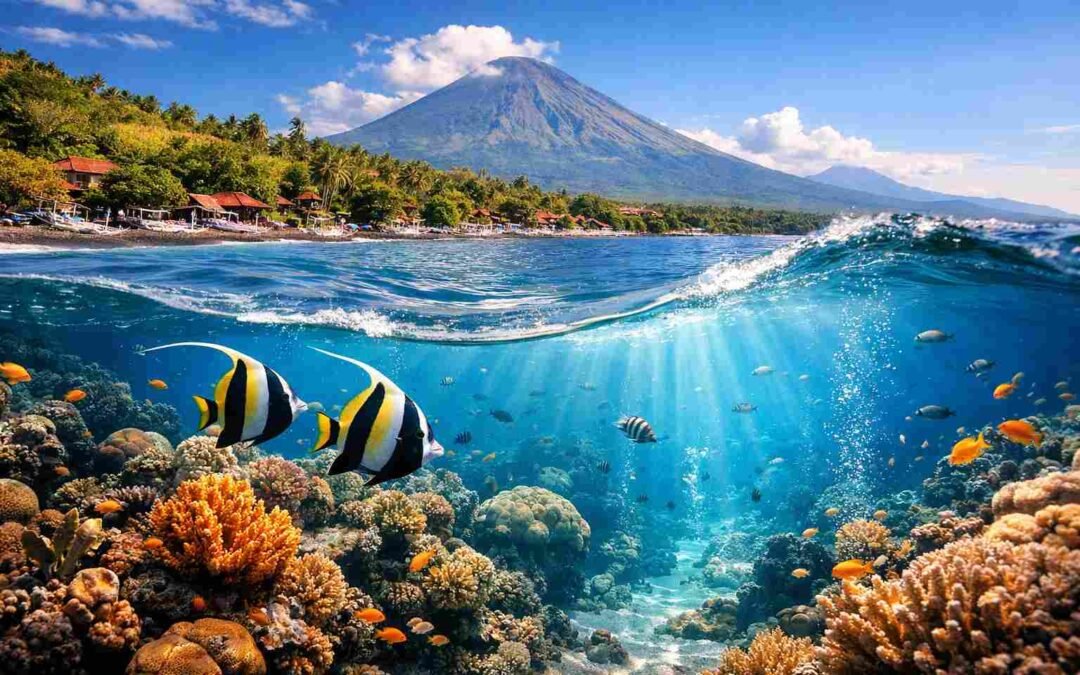
Water Conditions In Amed. Nestled along the quiet northeastern coastline of Bali, Amed is widely known for its calm atmosphere, traditional fishing villages, and exceptional underwater experiences. For travelers, snorkelers, and divers alike, understanding the water conditions in Amed is essential for planning the perfect visit. From visibility and currents to seasonal changes, Amed offers some of the most consistent and beginner-friendly ocean conditions in Bali, but like any coastal destination, it has its nuances.
This guide will walk you through everything you need to know about Amed’s water conditions so you can plan your trip with confidence.
Overall Ocean Characteristics
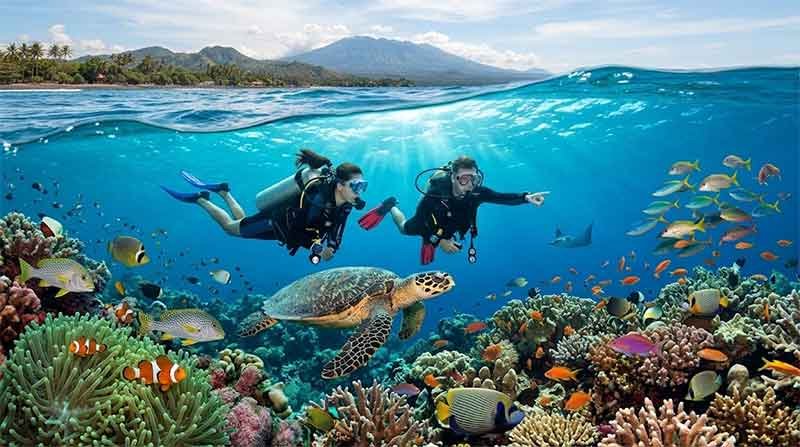
One of the biggest reasons Amed has become a favorite for underwater enthusiasts is its generally calm sea. Unlike the more exposed west coast of Bali, Amed faces the Lombok Strait but is protected by its curved coastline and nearby reefs. This geography helps reduce large swells, creating smoother surface conditions most days of the year.
The water here is typically warm, ranging between 26°C and 29°C (79°F to 84°F), making it comfortable for long snorkeling sessions and extended dives without needing thick wetsuits.
Key characteristics include:
- Mostly gentle waves
- Stable temperatures year-round
- Clear blue water with minimal sediment
- Easy shore entries at many sites
These conditions make Amed particularly appealing for beginners and relaxed underwater exploration.
Water Visibility
Visibility is one of Amed’s standout features. On average, divers and snorkelers can expect 15 to 25 meters (50 to 80 feet) of visibility, with some days exceeding 30 meters during the dry season.
Visibility depends largely on:
- Weather patterns
- Rainfall and runoff
- Tides
- Boat activity
During calm mornings, visibility is often at its best, which is why most dive operators schedule trips early in the day. Even during the rainy season, visibility usually remains good compared to many other tropical destinations.
Currents and Water Movement
Amed is generally known for mild currents, especially along its main bays. However, certain dive sites closer to the Lombok Strait can experience moderate drift currents depending on tides and moon phases.
For most snorkeling areas, currents are minimal and manageable. This is one of the reasons Amed is frequently recommended for:
- First-time snorkelers
- Beginner divers
- Underwater photographers
On occasional days when tidal movement increases, the water may feel slightly more active, but conditions rarely become challenging. Local guides typically monitor tides carefully to ensure safe entry points.
Seasonal Changes
Although Amed can be visited year-round, water conditions shift subtly between Bali’s two main seasons.
Dry Season (April to October)
This is widely considered the best time for underwater activities.
Typical conditions:
- Excellent visibility
- Calm seas
- Minimal rainfall
- Slightly cooler water (especially July–September)
During these months, plankton levels are lower, resulting in clearer water and vibrant reef colors. Early mornings are particularly calm, often with glass-like surface conditions.
Read more: Coral Reef Health in Amed
Rainy Season (November to March)
While still very diveable, the rainy season brings occasional changes.
Typical conditions:
- Slightly reduced visibility after heavy rain
- Warmer water temperatures
- Occasional short-lived surface chop
Rain usually comes in bursts rather than all-day storms, and underwater conditions often remain surprisingly good. Many divers enjoy this season because reefs appear more lush due to nutrient-rich water.
Read more: Marine Life in Amed
Tides and Best Times of Day
Tides in Amed can influence entry points and water clarity, especially at shallow reefs and snorkeling spots. Mid-to-high tide generally provides the easiest access, as reefs are better covered and marine life is more active.
Best time of day:
Morning (7:00 AM – 11:00 AM)
Why mornings are ideal:
- Calmest winds
- Best visibility
- Less boat traffic
- More active marine life
Afternoons can still be enjoyable, but winds sometimes pick up slightly, creating small surface ripples.
Read more: Why Nusa Penida Is Famous Worldwide for Diving
Safety and Comfort Factors
Amed is often praised for how comfortable the water feels, even for those who aren’t strong swimmers. Many beaches have gradual slopes, allowing you to enter the water slowly and adjust before heading out to deeper areas.
Safety highlights include:
- Easy shore access
- Generally predictable conditions
- Minimal large waves
- Plenty of sheltered bays
Still, it’s always wise to check local conditions each day, especially if you plan to explore less sheltered spots or go diving.
Read more: Menjangan National Park Diving in a Protected Area
Marine Life and Water Quality
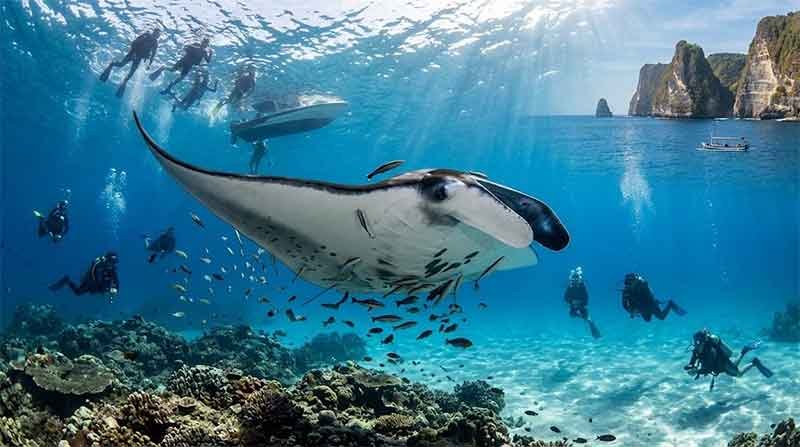
The healthy reefs around Amed thrive partly because of its stable water conditions. Clear, warm water supports a wide variety of marine life, from colorful reef fish to macro species hiding in volcanic sand.
Water quality is typically very good, especially compared to more crowded parts of Bali. Because Amed remains relatively low-key, pollution and heavy boat traffic are minimal, helping maintain a natural underwater environment.
Read more: Amed Dive Sites Map Guide
Who Will Enjoy Amed’s Water Conditions Most?
Amed is especially suited for:
- Beginner divers learning buoyancy
- Snorkelers who prefer calm seas
- Underwater photographers seeking clear visibility
- Travelers looking for relaxed ocean experiences
Advanced divers can still enjoy deeper sites and occasional drift dives, but the overall vibe remains calm and accessible.
Read more: Why Menjangan Is Great for Macro and Wide Angle Photography
Final Thoughts
Water conditions in Amed are among the most reliable and beginner-friendly in Bali. With warm temperatures, excellent visibility, and generally gentle seas, it’s a destination that welcomes both first-time ocean explorers and experienced underwater enthusiasts.
While seasonal changes can slightly influence clarity and surface conditions, Amed rarely experiences extreme weather or rough water. By planning dives and snorkeling trips in the morning and keeping an eye on tides, you’ll almost always enjoy smooth and rewarding sessions in the water.
Whether you’re floating above coral gardens, exploring a reef slope, or simply enjoying the peaceful rhythm of the ocean, Amed’s calm and inviting waters are a big part of what makes this coastal village so special.