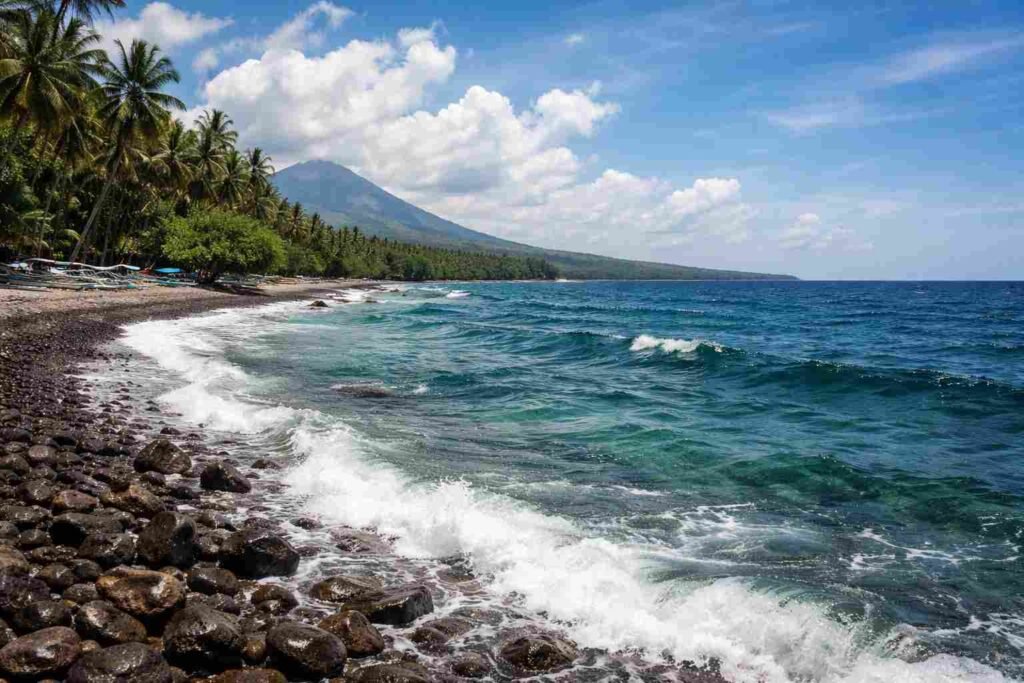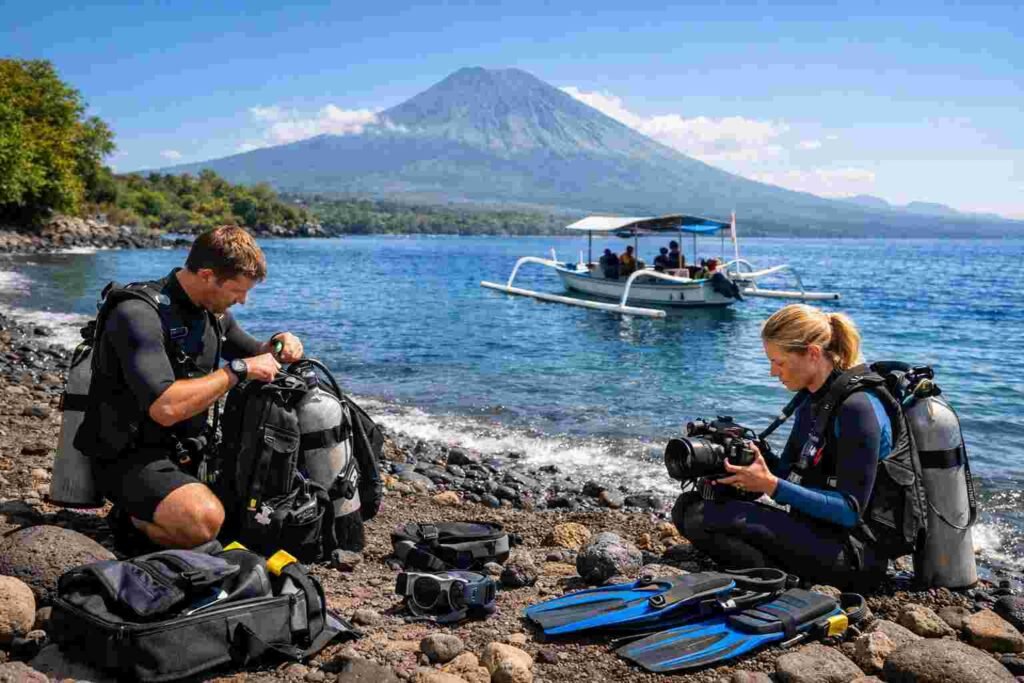
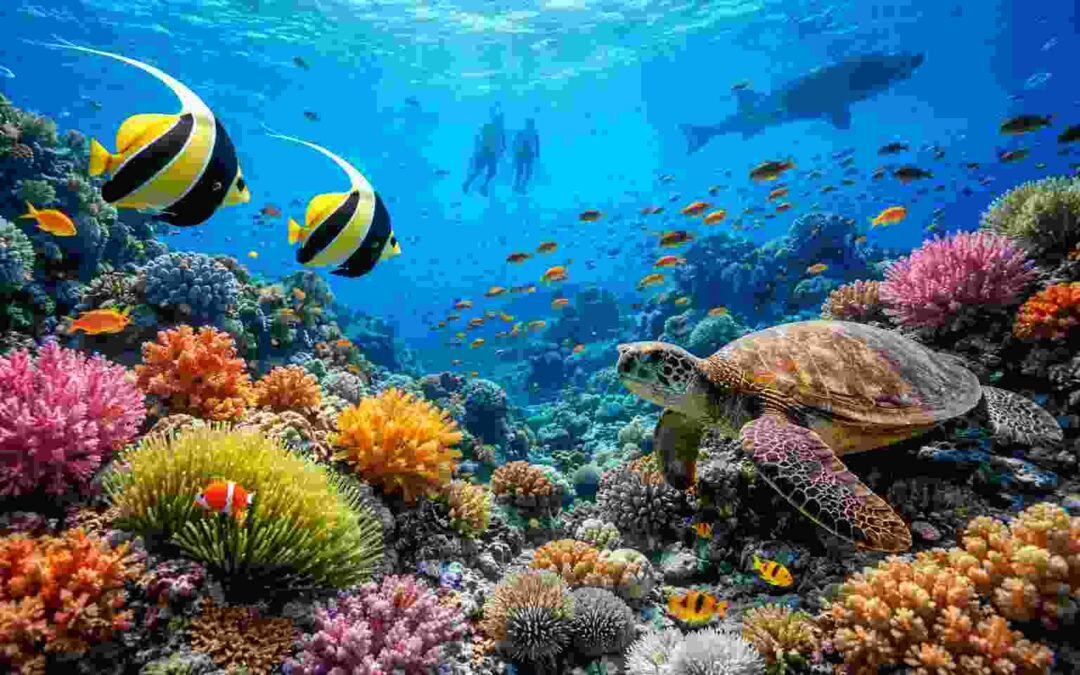
Marine Life In Amed, a serene coastal village on the northeastern coast of Bali, is renowned for its pristine waters and thriving marine ecosystems. For divers, snorkelers, and marine enthusiasts, Amed offers a rare glimpse into an underwater world teeming with biodiversity. From colorful coral gardens to fascinating fish species, the marine life in Amed is a testament to the health and resilience of Bali’s marine habitats.
Coral Reefs: The Foundation of Amed’s Marine Ecosystem
Amed’s underwater landscape is dominated by vibrant coral reefs. These reefs, consisting of both hard and soft corals, create intricate habitats that shelter countless marine species. Hard corals like staghorn and brain corals form the structural backbone of the reef, providing shelter and breeding grounds for fish and invertebrates. Soft corals, such as sea fans and sea whips, add movement and color, swaying gently with the currents.
The coral reefs in Amed are known for their remarkable clarity and diversity. Snorkelers often encounter schools of damselfish, anthias, and parrotfish weaving through the coral branches. These corals are also crucial in supporting larger marine species, including groupers and reef sharks, by providing food and shelter. Conservation efforts in the area have helped maintain the health of these reefs, making Amed a model site for sustainable marine tourism.
Read more: Macro Diving in Tulamben: What Creatures Can You See?
Iconic Fish Species of Amed
The waters around Amed host a wide array of fish species, each contributing to the vibrant ecosystem. Common sightings include:
- Clownfish: Often found among anemones, these small, brightly colored fish are a favorite among photographers.
- Angelfish and Butterflyfish: Known for their vivid patterns, they glide gracefully around coral heads.
- Triggerfish: These curious fish can be seen inspecting divers and exploring the reef’s nooks.
- Pufferfish and Boxfish: Adding both charm and curiosity, these species exhibit fascinating defensive behaviors.
Pelagic species occasionally venture closer to shore, offering divers the thrill of spotting jacks, barracudas, and even manta rays in deeper waters. Amed’s marine life is not just limited to fish; crustaceans, mollusks, and other invertebrates add layers of complexity to the ecosystem.
Read more: Amed Macro Diving Guide
Macro Life: A Hidden Treasure
For those interested in macro photography or observing small creatures, Amed’s seabed offers a playground of extraordinary life. Tiny nudibranchs, shrimps, and gobies inhabit crevices in the reef, often displaying dazzling colors and unique patterns. The diversity of macro life in Amed attracts underwater photographers seeking intricate details that are often missed by casual observers.
Species like harlequin shrimps, pygmy seahorses, and various types of blennies thrive here, showcasing nature’s creativity on a miniature scale. This intricate microcosm is essential for maintaining ecological balance, as many of these species play critical roles in cleaning and recycling nutrients within the reef.
Read more: Why Padang Bai Is Great for First-Time Divers
Sea Turtles and Larger Marine Animals
Amed is occasionally visited by larger marine animals that make the experience unforgettable. Hawksbill and green turtles are among the most commonly sighted species, gliding gracefully over the reefs as they forage for food. Divers often witness these majestic creatures resting on coral ledges or navigating the seagrass beds nearby.
In addition, the occasional reef shark patrols the deeper channels, serving as a reminder of the natural predator-prey balance within Amed’s waters. The presence of such species indicates a relatively healthy ecosystem, where biodiversity thrives and the food chain remains intact.
Read more: What Currents Are Like in Nusa Penida Dive Sites
Seagrass Beds and Ecosystem Diversity
Beyond coral reefs, Amed also features extensive seagrass beds, which are vital for juvenile fish and other marine life. These areas act as nurseries for many species, providing shelter and abundant food. Seagrass beds also contribute to water clarity and nutrient cycling, further supporting the reef ecosystem.
Snorkelers can often spot species such as seahorses, pipefish, and small rays hidden within the seagrass. These habitats, while less visually striking than coral gardens, are equally important for maintaining the overall health of Amed’s marine life.
Read more: Menjangan vs Nusa Penida: Which Is Better?
Responsible Diving and Conservation Efforts
Protecting Amed’s marine biodiversity requires careful management and responsible tourism. Local dive operators emphasize sustainable practices, including reef-safe sunscreens, careful buoyancy control, and avoiding contact with fragile corals. Community-driven conservation programs also focus on reef restoration, marine litter cleanup, and educating visitors on the importance of protecting this unique underwater environment.
By respecting these guidelines, visitors can enjoy Amed’s underwater wonders while ensuring that the marine life continues to thrive for generations to come.
Read more: Coral Reef Health in Amed
Conclusion
The marine life in Amed offers a captivating glimpse into one of Bali’s most biodiverse underwater environments. From its colorful coral reefs and vibrant fish species to the hidden treasures of macro life and the occasional presence of sea turtles and reef sharks, Amed provides a comprehensive marine experience. For divers, snorkelers, and marine enthusiasts, exploring Amed’s waters is both an adventure and a lesson in the importance of preserving the delicate balance of marine ecosystems.
The underwater world of Amed remains a true gem, inviting everyone to witness its beauty while actively contributing to its conservation.