How Deep Are The Dive Sites In Nusa Penida? Nusa Penida, located just southeast of Bali, has become one of the world’s premier diving destinations. Its dramatic underwater topography, vibrant marine life, and unique currents attract divers of all skill levels. One of the most common questions among divers planning a trip is about the depth of the dive sites. Understanding these depths is crucial for safety, planning, and ensuring an enjoyable experience.
Overview of Nusa Penida’s Dive Environment
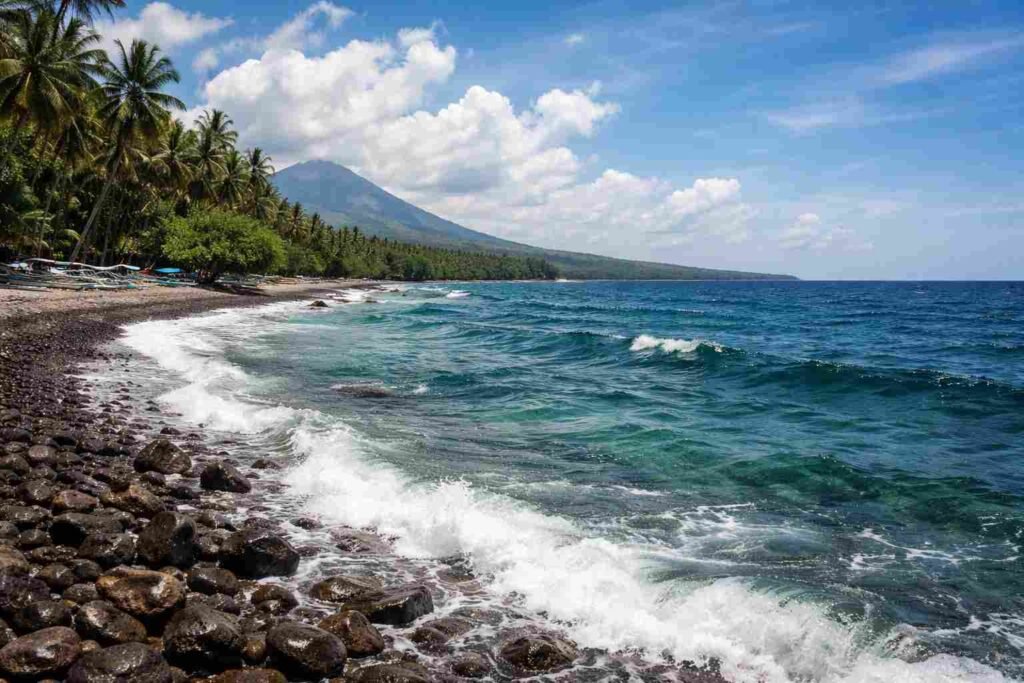
The waters around Nusa Penida are known for their clarity, strong currents, and thriving marine ecosystems. The dive sites range from shallow reefs perfect for beginners to deep drift dives suitable for advanced divers. Visibility often exceeds 20 meters, allowing divers to fully appreciate the coral gardens and abundant fish life. However, divers should always account for seasonal variations in currents and visibility.
The underwater terrain varies dramatically. From steep drop-offs to underwater walls, the depths change quickly, providing exciting opportunities but also requiring caution. Proper training and experience are highly recommended for exploring these waters.
Popular Dive Sites and Their Depths
Manta Point
Manta Point is perhaps the most famous site in Nusa Penida due to its resident manta rays. The site typically ranges from 5 to 20 meters in depth, making it accessible to both novice and intermediate divers. Divers can often encounter manta rays gliding along cleaning stations, which are areas where the rays gather to be cleaned by smaller fish. The relatively shallow depth makes it ideal for longer observation times without excessive nitrogen absorption.
Crystal Bay
Crystal Bay is another iconic dive site, famous for its crystal-clear water and occasional sightings of mola mola (ocean sunfish). The reef slopes gradually from around 5 meters to 30 meters. The peak of the dive often occurs around 18 to 25 meters, where divers can spot mola mola during the season from July to October. The site is suitable for advanced divers due to the strong currents, but the depths are manageable for those with proper drift diving experience.
Gamat Bay
Gamat Bay offers a slightly different experience, with more dramatic underwater landscapes. Depths here range from 10 to 35 meters. The bay is popular for its rich coral coverage and schooling fish. While the shallower areas are great for beginner divers to explore safely, venturing deeper provides encounters with larger pelagic species and more challenging conditions.
SD Point
SD Point is renowned for its adventurous drift dives and the chance to see mola mola during peak season. Depths here typically range from 15 to 40 meters. Strong currents are common, and divers often need experience in handling drift dives. The deeper sections are ideal for observing larger marine life and exploring the dramatic underwater walls.
Read more: Diving Blue Lagoon vs Jepun: What’s the Difference
Toyapakeh
Toyapakeh is known for its vibrant coral gardens and diverse marine species. Depths start at around 5 meters and can go down to 30 meters. The site is excellent for intermediate divers who want a mix of shallow exploration and moderate-depth challenges. The area features both vertical walls and gently sloping reefs, offering a varied diving experience.
Read more: Why Underwater Photographers Love Nusa Penida
Factors Affecting Dive Depths
Currents
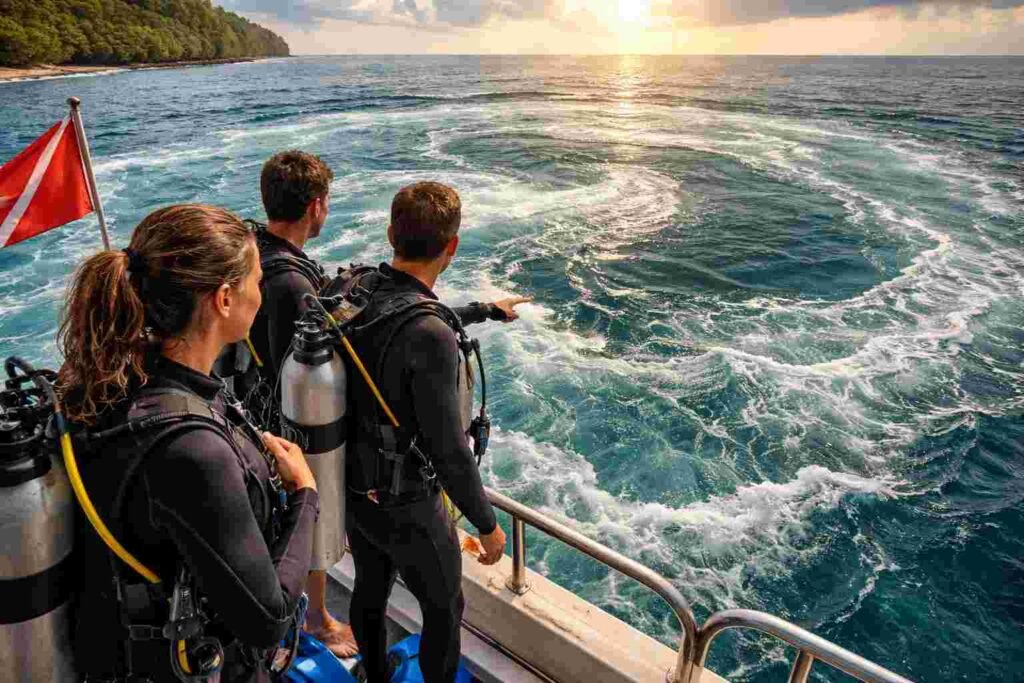
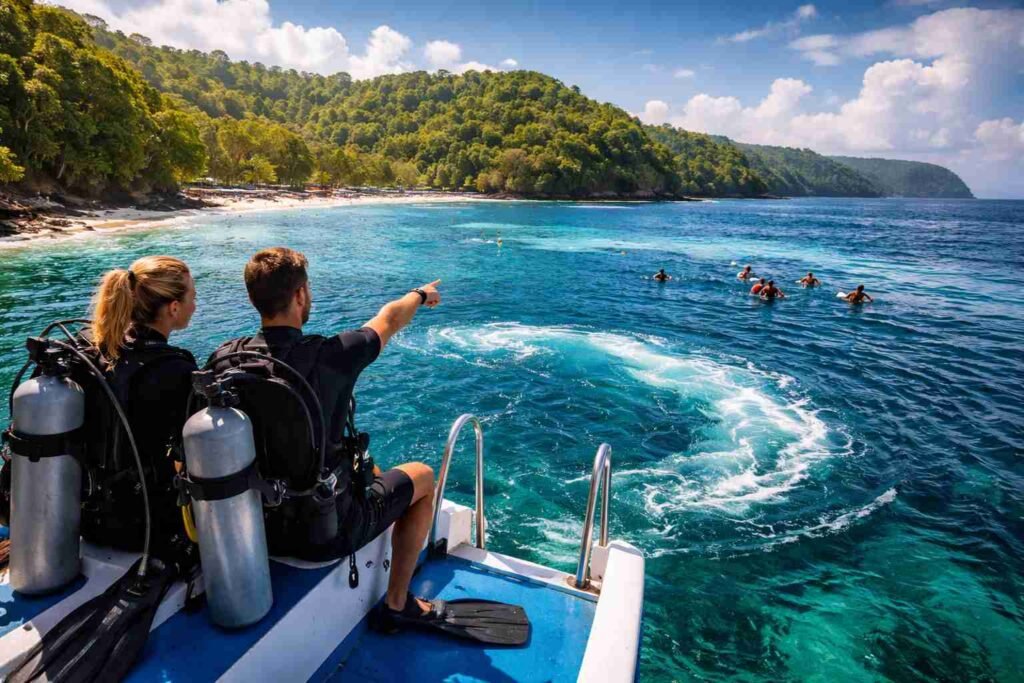
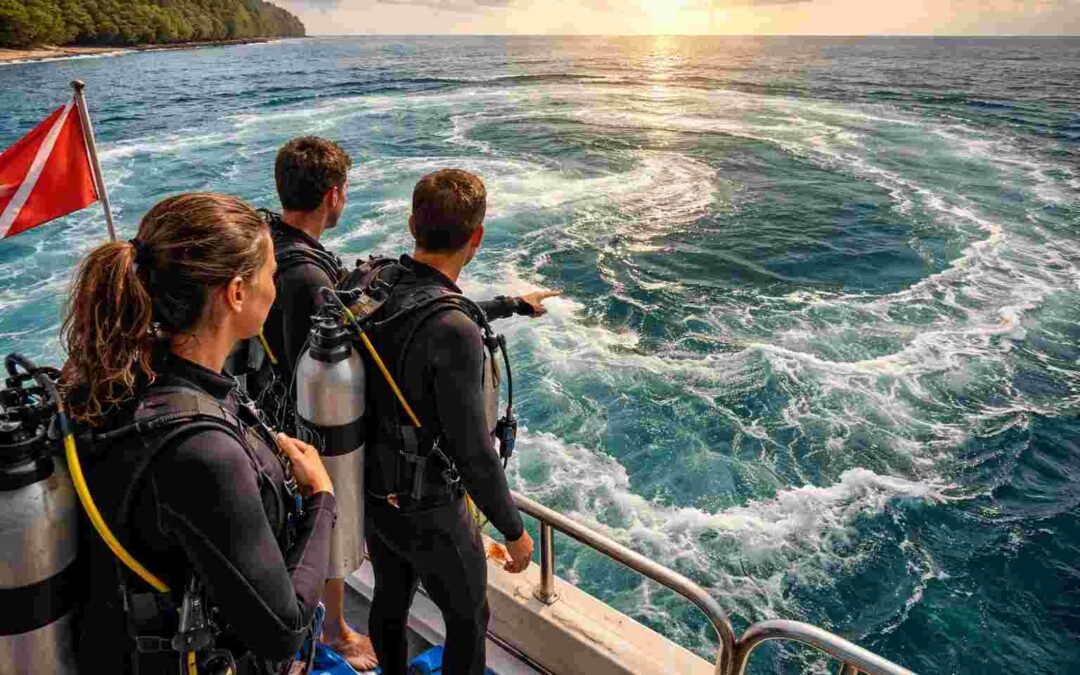
Currents in Nusa Penida are often strong, particularly during the dry season. While many sites have shallow areas, divers may be pulled along underwater walls and drift zones. Proper drift diving techniques are essential, and many operators recommend diving with a guide who knows the local conditions.
Visibility
Visibility can significantly affect the perceived depth and comfort of a dive. In peak season, visibility can reach 25 to 30 meters, making even deeper dives feel open and safe. During the wet season, visibility may drop to around 10–15 meters, which can make navigation more challenging.
Read more: What Water Temperature Should You Expect in Tulamben
Experience Level
The depth of the dive a person can safely reach depends not just on the site, but on their certification and experience. Beginners are generally advised to stay in the shallower regions (5–18 meters), while advanced divers can explore deeper areas (up to 40 meters) with appropriate planning and equipment.
Read more: Is There Current in Padang Bai Dive Sites
Safety Considerations
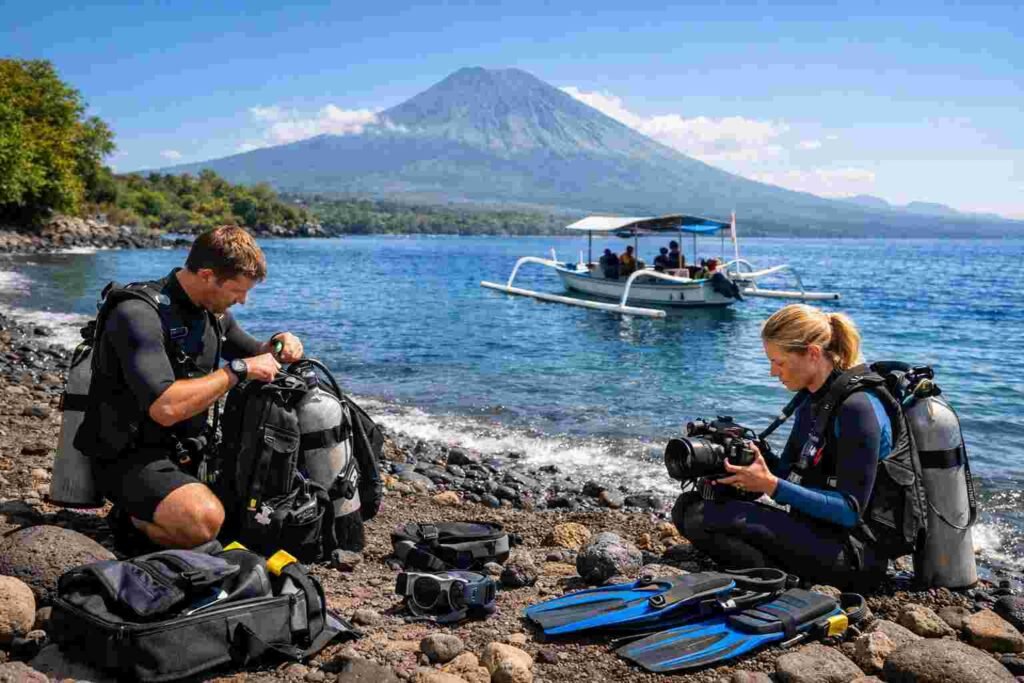
Diving in Nusa Penida requires attention to safety due to variable depths and currents. Divers should always:
- Check current conditions before entering the water.
- Dive within the limits of their certification.
- Use dive computers to monitor depth and nitrogen absorption.
- Ascend slowly and perform safety stops, especially after deeper dives.
Using a local dive guide is highly recommended, as they are familiar with each site’s depth ranges, currents, and hazards. Additionally, divers should always stay aware of their air consumption and depth to ensure a safe return to the surface.
Read more: What Equipment Is Best for Tulamben Diving
Conclusion
The dive sites in Nusa Penida offer a range of depths suitable for beginners to advanced divers. From the shallow cleaning stations at Manta Point to the deeper drift dives at SD Point, the island presents a diverse underwater environment that caters to all levels. Understanding these depths, combined with proper training and awareness of currents and visibility, ensures a safe and unforgettable diving experience in this world-renowned location.
Nusa Penida’s underwater landscape is not only about depth but about the richness of life, dramatic formations, and the thrill of exploring one of Indonesia’s top diving destinations.