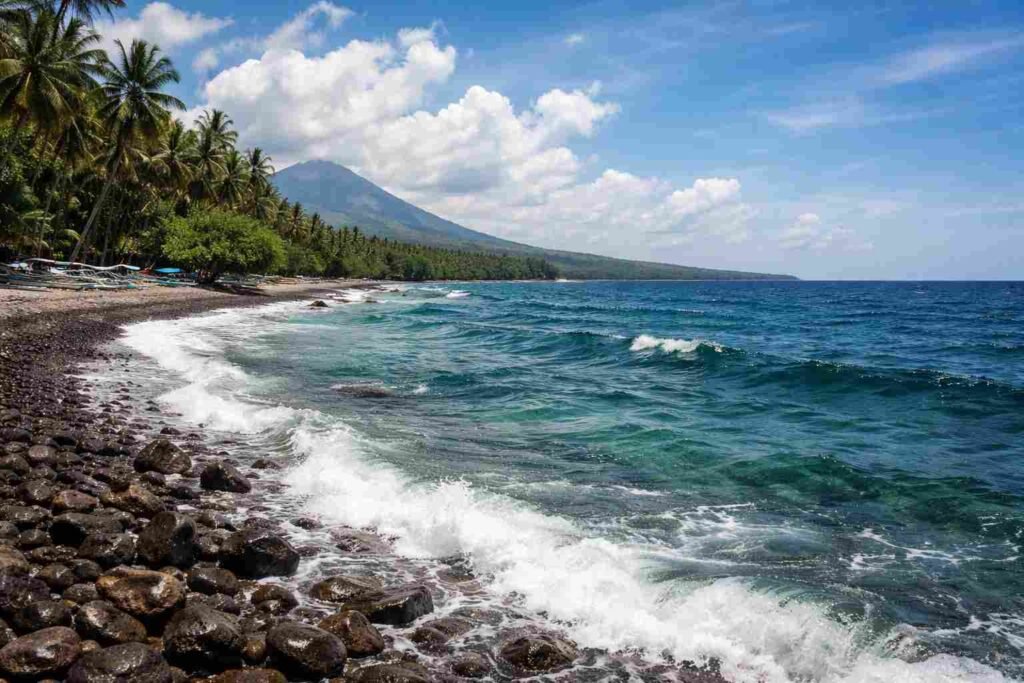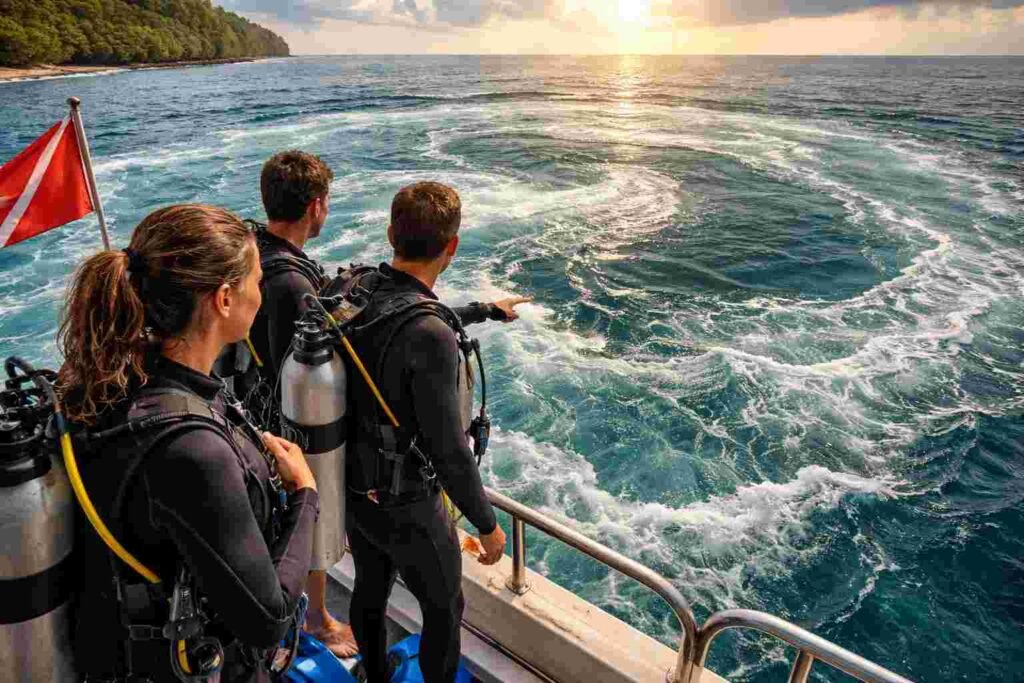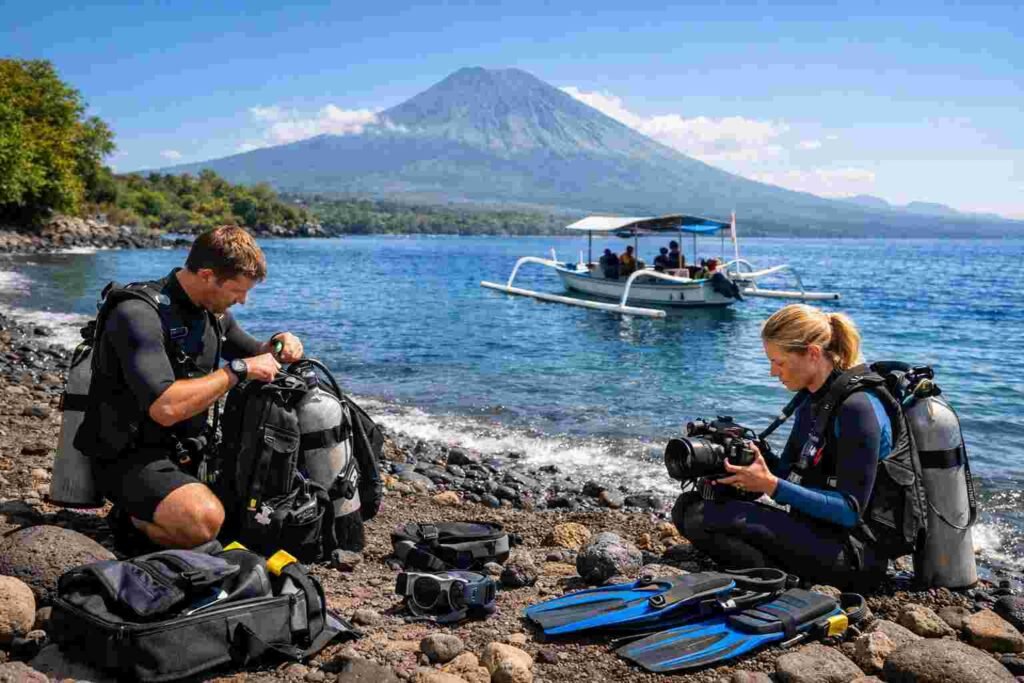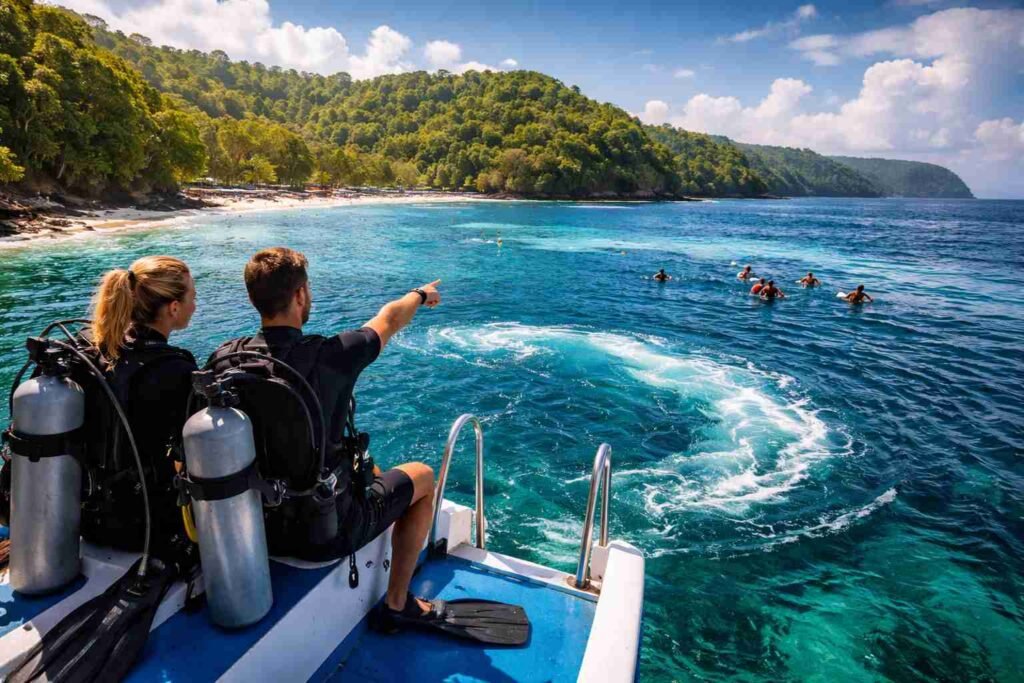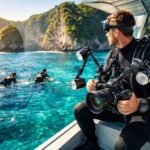

Diving Blue Lagoon Vs Jepun What's The Difference? If you’re planning a dive trip to Padang Bai, Bali, you’ll quickly notice two names that come up again and again: Blue Lagoon and Jepun. Both sites are beginner-friendly, close to shore, and packed with marine life, which often leads divers to wonder — which one is better, and how are they different?
The truth is, while they’re only a few minutes apart by boat, the experience at each site has its own personality. Understanding the differences will help you choose the right dive for your skill level, interests, and expectations.
Overview of the Dive Sites
Blue Lagoon is a small bay with calm conditions, sandy slopes, and scattered coral bommies. It’s often considered one of the best places in Bali for relaxed diving and underwater photography.
Jepun, located just around the corner, features a slightly deeper profile, artificial reef structures, and a mix of sand and reef. It tends to feel a bit more adventurous while still being accessible to beginners.
1. Underwater Landscape
Blue Lagoon
The underwater terrain here is gentle and easy to navigate. You’ll descend onto a sandy slope dotted with coral patches and small reef formations. The gradual depth change makes buoyancy control simple, which is why many dive schools use it for training dives.
Jepun
Jepun has a more varied structure. You’ll find artificial reefs, small ledges, and reef patches that create hiding spots for marine life. The layout feels slightly more dynamic, giving divers more areas to explore within a single dive.
Key difference:
Blue Lagoon feels open and relaxed, while Jepun feels more structured and exploratory.
2. Marine Life Encounters
Both sites are known for macro life, but there are subtle differences in what you’re likely to see.
Blue Lagoon Highlights
- Leaf scorpionfish
- Blue-spotted stingrays
- Nudibranchs
- Reef fish schools
This site is especially loved by underwater photographers because critters are often easy to spot against the sandy background.
Jepun Highlights
- Seahorses
- Ghost pipefish
- Frogfish
- Juvenile reef fish
The artificial structures attract a variety of species, making Jepun feel like a “treasure hunt” dive where you never know what you’ll find next.
Key difference:
Blue Lagoon is consistent and critter-rich, while Jepun often offers more variety and surprises.
3. Depth and Difficulty
Blue Lagoon
- Typical depth: 5–20 meters
- Current: Usually mild
- Level: Perfect for beginners and refreshers
This site is ideal if you want a calm, easy dive with minimal stress.
Jepun
- Typical depth: 10–25 meters
- Current: Mild but occasionally stronger than Blue Lagoon
- Level: Beginner to intermediate
While still easy, Jepun may require slightly better buoyancy and awareness, especially if conditions change.
Key difference:
Blue Lagoon is generally the easier dive, while Jepun adds a small step up in challenge.
Read more: Menjangan Diving for Certification Courses
4. Visibility and Conditions
Both sites share similar weather patterns because of their close proximity, but small differences can occur.
- Blue Lagoon: Often has very clear water, especially in calm weather. The protected bay helps reduce surge.
- Jepun: Visibility is usually good but can be slightly more variable depending on currents.
Key difference:
Blue Lagoon tends to be more consistently calm, making it a safer choice if conditions aren’t perfect.
Read more: Padang Bai Diving Conditions Explained
5. Overall Diving Experience
Choose Blue Lagoon if you want:
- A relaxed, scenic dive
- Easy conditions
- Great macro photography opportunities
- A perfect first dive in Bali
Read more: Macro Life in Padang Bai a Hidden Treasure
Choose Jepun if you want:
- A bit more exploration
- Interesting reef structures
- A chance to see rare critters
- A slightly more adventurous feel
Read more: Top Marine Life Youll See in Nusa Penida
Which One Should You Pick?
The best part is — you don’t actually have to choose just one. Most dive operators in Padang Bai pair these two sites in the same trip because they complement each other so well.
If it’s your first time diving in the area, starting at Blue Lagoon and then heading to Jepun is a perfect progression: you begin with a calm warm-up dive and finish with a more exploratory one.
Read more: What Makes Menjangan Different from Other Bali Dive Sites
Final Thoughts
Blue Lagoon and Jepun may sit side by side on the map, but underwater they offer two distinct experiences. Blue Lagoon is all about calm beauty and easy diving, while Jepun adds variety and a touch of adventure.
Whether you’re a beginner looking for confidence or a certified diver chasing macro life, visiting both sites will give you a well-rounded taste of what Padang Bai diving is all about.
If you’re planning a Bali dive itinerary, including both Blue Lagoon and Jepun is one of the simplest ways to guarantee an enjoyable and memorable day underwater.