Padang Bai Diving Safety Tips are essential for anyone planning to explore the vibrant underwater world around Padang Bai in Bali. Known for its clear waters, colorful coral reefs, and unique marine life, Padang Bai is one of the most popular diving destinations on the island. However, like any ocean activity, diving here requires proper preparation and awareness. Understanding the environment, following professional guidelines, and diving responsibly can make your experience not only enjoyable but also safe.
Understanding the Conditions in Padang Bai
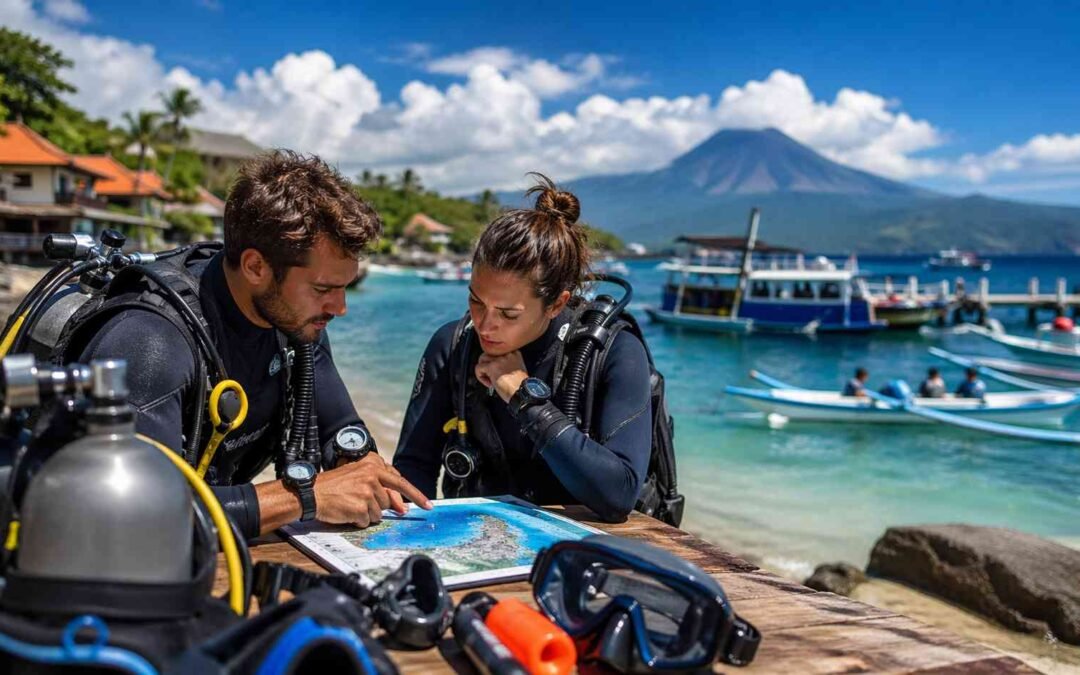
Before entering the water, it is important to understand the typical diving conditions in Padang Bai. The area is famous for its beautiful sites such as Blue Lagoon and Jepun, which are known for calm waters and diverse marine species. However, ocean conditions can still change depending on the season, tides, and weather.
Visibility in Padang Bai is generally good, often ranging between 10 to 25 meters. This makes it easier for divers to navigate and enjoy the scenery. Despite this, currents can sometimes appear unexpectedly, especially around deeper areas or when tides shift. Checking local conditions and listening to dive professionals is one of the most important safety steps before every dive.
Water temperature in the area usually ranges from 26°C to 29°C, making it comfortable for most divers. Even so, wearing proper thermal protection like a wetsuit helps maintain body temperature during longer dives.
Choose a Reputable Dive Center
One of the most important Padang Bai Diving Safety Tips is selecting a professional and certified dive center. Experienced dive operators understand local conditions and know how to plan dives safely.
A good dive center will provide:
- Certified dive instructors and guides
- Well-maintained diving equipment
- Clear dive briefings before entering the water
- Emergency procedures and safety protocols
Professional dive guides are especially helpful in Padang Bai because they know the best routes, where currents may appear, and where to find marine life without disturbing the ecosystem.
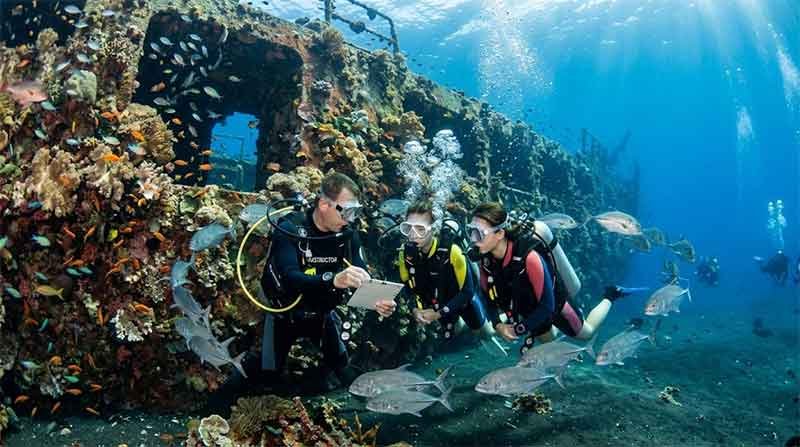
Always Attend the Dive Briefing
Many divers get excited and sometimes overlook the importance of a proper dive briefing. However, the briefing is a key part of diving safety.
During the briefing, guides usually explain:
- Entry and exit points
- Maximum dive depth
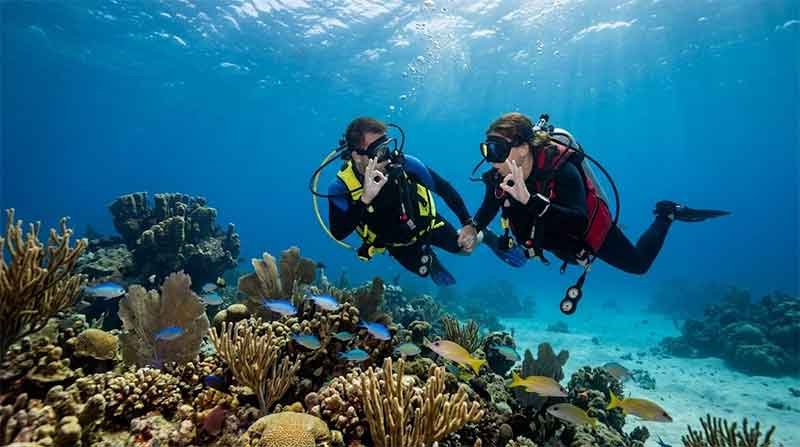
- Communication signals underwater
- Emergency procedures
- Potential hazards
These instructions help divers understand what to expect during the dive. Even experienced divers should listen carefully, because every dive site has different characteristics.
Check Your Equipment Carefully
Another essential Padang Bai Diving Safety Tips practice is performing a thorough equipment check before every dive. Malfunctioning gear can quickly turn a relaxing dive into a stressful situation.
Before entering the water, divers should always check:
- Air tank pressure
- Regulator function
- Buoyancy control device (BCD)
- Mask and fins
- Dive computer or depth gauge
Use the Buddy Check System
The buddy check is a standard safety routine used worldwide. Divers inspect each other’s equipment to ensure everything is functioning correctly. This extra step helps prevent simple mistakes such as an unconnected hose or partially closed tank valve.
Dive Within Your Certification Limits
Padang Bai offers dive sites suitable for different skill levels, from beginners to advanced divers. However, pushing beyond your certification or comfort level can increase risk.
For example, beginner divers should stick to shallow and calm sites like Blue Lagoon. These areas are ideal for practicing buoyancy and observing marine life without dealing with strong currents or deeper depths.
More experienced divers may explore deeper or more advanced sites, but it is always important to follow professional guidance and dive within safe limits.
Maintain Good Buoyancy Control
Buoyancy control is not only important for protecting coral reefs but also for diver safety. Poor buoyancy can lead to rapid ascents, accidental contact with marine life, or unnecessary air consumption.
Good buoyancy allows divers to:
- Move smoothly underwater
- Avoid damaging coral reefs
- Conserve air
- Maintain safe depth levels
Practicing slow breathing and using small adjustments with the BCD helps maintain stable buoyancy during the dive.
Be Aware of Marine Life
Padang Bai is famous for its rich marine biodiversity. Divers can often see nudibranchs, reef fish, turtles, and sometimes even reef sharks. While this is exciting, respecting marine life is a critical safety rule.
Divers should never touch, chase, or feed marine animals. Some creatures may defend themselves if they feel threatened, while others are delicate and easily damaged.
Watch for Camouflaged Species
Certain species in Padang Bai are masters of camouflage. Creatures like scorpionfish or stonefish blend perfectly with the reef and sand. Accidentally touching them can cause injury.
Keeping good buoyancy and maintaining awareness of your surroundings helps avoid these encounters.
Read more: What Makes Nusa Penida Different from Tulamben and Padang Bai
Monitor Your Air and Dive Time
Running low on air is one of the most common mistakes divers make. Checking your air supply regularly during the dive is a simple but essential habit.
Most dive professionals recommend following the rule of thirds:
- One third of the air for the descent and exploration
- One third for the return
- One third reserved for emergencies
Divers should also monitor their dive computer to avoid exceeding no-decompression limits and to maintain safe ascent profiles.
Read more: Why Padang Bai Is One of Bali’s Most Underrated Dive Spots
Perform a Slow and Controlled Ascent
Ascending too quickly is one of the biggest risks in scuba diving. A rapid ascent can lead to decompression sickness or lung injuries.
To stay safe, divers should:
- Ascend slowly, usually no faster than 9 meters per minute
- Perform a safety stop at 5 meters for about 3 minutes
- Maintain control using the BCD and breathing
This process allows the body to safely release nitrogen absorbed during the dive.
Read more: Padang Bai Diving for Macro Photography Lovers
Stay Hydrated and Well Rested
Many divers underestimate how physical diving can be. Carrying equipment, swimming, and exposure to sun can quickly lead to dehydration or fatigue.
Drinking enough water before and after dives helps reduce the risk of decompression sickness and keeps the body functioning properly. Getting enough rest is also important, especially for divers planning multiple dives in one day.
Avoid alcohol before diving, as it can impair judgment and increase dehydration.
Read more: Padang Bai vs Nusa Penida for Beginners
Respect Weather and Ocean Conditions
Even though Padang Bai is known for relatively calm diving conditions, weather and ocean changes should never be ignored. Strong winds, waves, or shifting currents can affect dive safety.
Dive operators usually check conditions daily and may cancel or change dive plans if necessary. Trusting these decisions is important, as they are made with diver safety as the top priority.
Read more: Why Tulamben Should Be on Every Divers Bali Itinerary
Final Thoughts
Padang Bai Diving Safety Tips are essential for ensuring a smooth and enjoyable underwater adventure in one of Bali’s most beautiful diving locations. By understanding the local conditions, choosing professional dive operators, checking equipment carefully, and respecting both the ocean and marine life, divers can significantly reduce risks.
Diving in Padang Bai offers unforgettable experiences, from colorful coral reefs to fascinating marine creatures. With proper preparation and responsible diving practices, you can explore this underwater paradise safely while protecting the environment for future generations of divers.