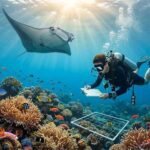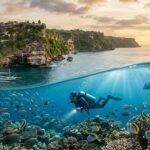
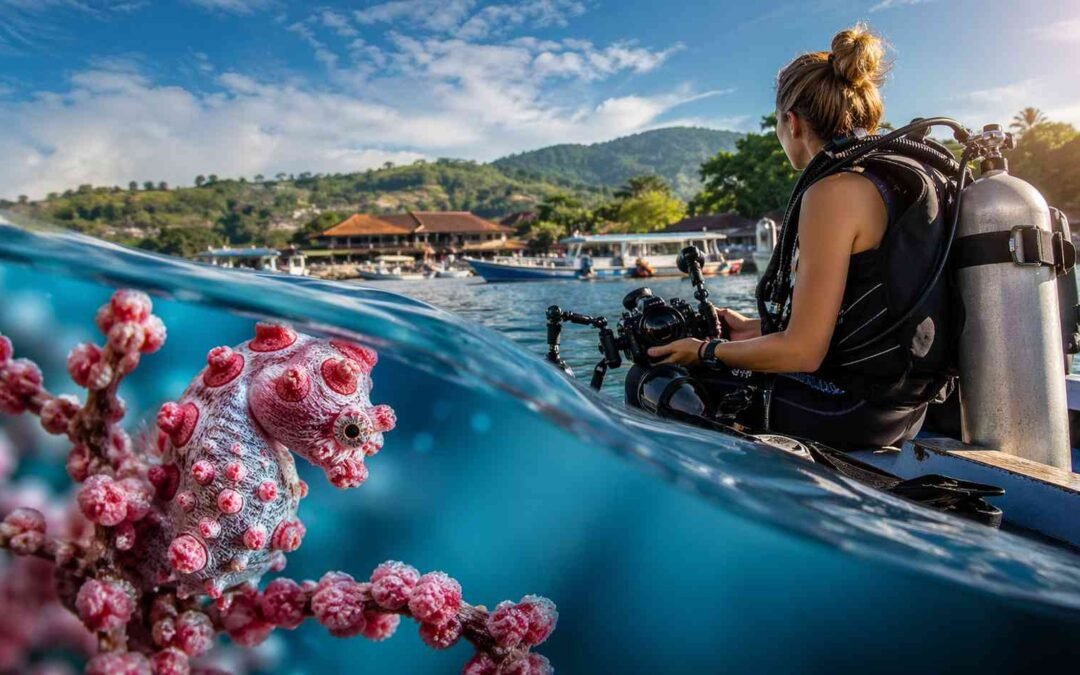
Padang Bai Diving for Macro Photography Lovers is a dream experience for underwater photographers who want to capture Bali’s smallest and most fascinating marine life. Located on the east coast of Bali, Padang Bai offers calm conditions, diverse dive sites, and an incredible variety of macro subjects that make every dive feel like a treasure hunt. Whether you are a seasoned underwater photographer or just starting to explore macro photography, this destination provides the perfect combination of accessibility, biodiversity, and year-round diving opportunities.
Why Padang Bai Is Perfect for Macro Photography
Padang Bai stands out as one of Bali’s top macro diving locations because of its rich volcanic sand slopes, coral patches, and sheltered bays. These environments create ideal habitats for small marine species that photographers love to capture.
Visibility is often good, currents are usually mild, and dive sites are relatively shallow. This allows photographers to take their time adjusting camera settings, experimenting with lighting, and patiently waiting for the perfect shot. Unlike fast drift dives, macro diving here is relaxed and focused, making it suitable for long bottom times and careful observation.
Another advantage is the variety of dive sites within a short distance. In just a couple of days, photographers can explore multiple habitats and dramatically expand their portfolio without long boat rides.
Top Macro Subjects You Can Photograph
Nudibranchs and Colorful Sea Slugs
Padang Bai is famous for its abundance of nudibranchs. From tiny translucent species to brightly colored varieties, these photogenic creatures are often found crawling on sponges and hydroids. Their intricate patterns and vibrant hues make them one of the most rewarding subjects for macro photography.
Pygmy Seahorses
Although tiny and well camouflaged, pygmy seahorses can sometimes be spotted on gorgonian sea fans. Finding one requires patience and a keen eye, but capturing a sharp image is incredibly satisfying for photographers.
Frogfish and Rare Critters
Frogfish are another highlight. These masters of disguise blend perfectly with their surroundings, making them exciting subjects to hunt for with your camera. You may also encounter ghost pipefish, dragonets, and various types of shrimp and crabs hiding among coral rubble.
Octopus and Cuttlefish
Macro photographers often love behavioral shots, and Padang Bai delivers. Blue-ring octopus (viewed safely and respectfully), coconut octopus, and small cuttlefish provide opportunities to capture movement, color changes, and unique interactions.
Read more: Exploring The Best Dive Sites Around Tulamben Besides The Wreck
Best Dive Sites for Macro Enthusiasts
Several dive sites in Padang Bai are especially popular with photographers because of their biodiversity and easy conditions.
Blue Lagoon is one of the most accessible sites, known for sandy slopes and scattered coral heads where critters thrive. Jepun offers a mix of reef and sandy patches, ideal for spotting nudibranchs and crustaceans. The Jetty is another favorite, with its artificial structure attracting unusual species and providing dramatic photographic compositions.
Each site offers something slightly different, so diving multiple locations increases your chances of encountering rare subjects.
Read more: Nusa Penida Diving For Experienced Divers
Tips for Successful Macro Photography in Padang Bai
Patience is the most important skill. Move slowly, maintain good buoyancy, and avoid stirring up sand to keep visibility clear. Many macro creatures are tiny and easily missed, so taking time to carefully scan the reef makes a huge difference.
Using a focus light helps your camera lock onto small subjects, especially in shaded areas or under ledges. A strobe or dual-strobe setup is ideal for bringing out colors and reducing backscatter.
It’s also helpful to dive with a guide who understands macro photography. Local dive guides know where specific critters are commonly found and can point out subjects you might otherwise overlook.
Read more: Night Diving In Tulamben Is It Worth It
When to Dive in Padang Bai
Padang Bai is a year-round diving destination, but conditions are generally best from April to November when seas are calmer and visibility tends to be more consistent. However, macro life is present throughout the year, so photographers can have rewarding dives in any season.
Water temperatures typically range from about 26°C to 29°C, though occasional cooler currents can occur, so a 3–5 mm wetsuit is usually comfortable.
Read more: Is Menjangan Suitable For Open Water Divers
Responsible Macro Photography Practices
Protecting marine life is essential when photographing small creatures. Maintain neutral buoyancy and avoid touching or moving subjects for a better shot. Good photographers prioritize the well-being of the environment over the image.
Keeping a respectful distance not only protects the ecosystem but also results in more natural behavior, leading to more authentic and compelling photographs.
Read more: Why Padang Bai Is One Of Bali’s Most Underrated Dive Spots
Final Thoughts
Padang Bai Diving for Macro Photography Lovers offers an incredible opportunity to explore Bali’s underwater world from a different perspective. Instead of focusing on big animals, photographers can slow down and appreciate the intricate details, colors, and behaviors of the ocean’s smallest inhabitants.
With calm dive conditions, diverse habitats, and an abundance of fascinating critters, Padang Bai remains one of the best places in Bali to refine macro photography skills while enjoying unforgettable underwater encounters. Whether you are building a professional portfolio or simply capturing memories of your dives, this destination promises endless inspiration beneath the surface.