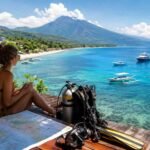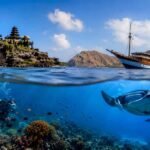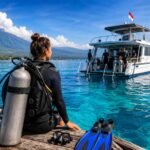

Amed Dive Sites Map Guide. Amed, located on the northeast coast of Bali, has become one of Indonesia’s most popular diving destinations. Known for its calm waters, rich marine biodiversity, and stunning coral reefs, Amed attracts both beginner and experienced divers. To make the most of your diving experience, a comprehensive understanding of the dive sites and their locations is essential. This guide will help you navigate Amed’s dive sites effectively.
Overview of Amed’s Dive Sites
Amed is famous for its variety of dive sites, ranging from shallow coral gardens to deep wrecks. The coastline stretches along several small villages, each offering unique underwater experiences. The dive sites can generally be categorized into three main areas: Jemeluk Bay, Lipah Bay, and the Amed coastline near Bunutan.
- Jemeluk Bay – This area is ideal for beginners due to its shallow waters, calm currents, and abundant marine life. Divers can expect vibrant corals and small reef fish.
- Lipah Bay – Known for its steep drop-offs and slightly deeper waters, Lipah Bay offers opportunities to see larger fish and some macro life. The currents are mild, making it suitable for intermediate divers.
- Bunutan & Amed Coastline – This region features wrecks, wall dives, and more challenging conditions. It is popular among experienced divers looking for variety and underwater photography opportunities.
Key Dive Sites in Amed
Jemeluk Bay
Jemeluk Bay is one of the most popular and accessible dive sites in Amed. It features a gentle slope with coral gardens starting at just 3 meters. Divers can see clownfish, damselfish, and a variety of soft corals. The bay’s calm waters make it perfect for training sessions, snorkeling, and beginner dives.
Lipah Bay
Lipah Bay has slightly deeper waters, ranging from 5 to 20 meters. Its wall dives are home to larger species such as trevallies and lionfish. Macro enthusiasts can find nudibranchs and shrimps along the coral formations. The bay is also known for its unique black sand bottom, which contrasts beautifully with the vibrant corals.
Amed Wrecks
One of the highlights of Amed diving is the Japanese shipwreck located near Jemeluk Bay. This wreck lies at around 25 meters depth and is covered in corals and sponges. It has become an artificial reef attracting schools of fish, scorpionfish, and occasional octopuses. This dive site is recommended for certified divers due to its depth and currents.
Read more: What Currents Are Like in Nusa Penida Dive Sites
Bunutan Wall
The Bunutan Wall offers dramatic underwater scenery with walls dropping to depths of over 40 meters. The area is rich with marine biodiversity, including groupers, moray eels, and reef sharks. Stronger currents may be present, so it is recommended for experienced divers. The wall is also popular for underwater photographers seeking dramatic reef landscapes.
Read more: Menjangan vs Nusa Penida: Which Is Better?
Coral Garden Near Jemeluk Bay
This shallow site is perfect for macro diving and beginner training. The corals are healthy, with a mix of soft and hard corals providing homes for an array of reef fish. Visibility is usually excellent, ranging from 15 to 25 meters, allowing divers to enjoy wide-angle shots of the reef and its colorful inhabitants.
Read more: Coral Reef Health in Amed
Tips for Using the Amed Dive Map
Understanding the dive map of Amed will help you plan your day efficiently and select dive sites according to your skill level. Here are some tips:
- Check Currents – Some dive sites, especially near Bunutan, can experience stronger currents. Always consult with your dive guide before entering the water.
- Plan by Depth – Beginners should focus on Jemeluk and shallow areas of Lipah, while advanced divers can explore wrecks and walls.
- Consider Visibility – Seasonal changes can affect visibility. Dry season months (April to October) generally provide the clearest waters.
- Marine Life Timing – Early morning dives often provide better chances to see active marine life, as fish are more abundant and less disturbed.
Read more: Marine Life in Amed
Essential Dive Map Features
A professional Amed dive map should include the following elements:
- Site Locations – Clear markers for each dive site, including Jemeluk Bay, Lipah Bay, Bunutan Wall, and the Japanese wreck.
- Depth Indications – Color-coded areas or labels showing depth ranges.
- Currents & Hazards – Arrows or symbols indicating typical current directions and potential hazards.
- Entry and Exit Points – Information on boat or shore entry points for each site.
- Marine Life Highlights – Notes or icons for special sightings like nudibranchs, reef sharks, and unique coral formations.
Read more: Why Nusa Penida Is Famous Worldwide for Diving
Planning Your Amed Dive Trip
Using a dive map effectively allows you to maximize your time underwater. For multi-dive trips, it’s best to start with shallow sites for warming up, then progress to deeper wrecks or walls. Divers should also coordinate with local dive shops for guided trips, as they have up-to-date knowledge of current conditions and marine life activity.
Read more: Menjangan National Park: Diving in a Protected Area
Conclusion
Amed offers an exceptional variety of dive sites suitable for all skill levels. From calm coral gardens in Jemeluk Bay to challenging walls and wrecks near Bunutan, divers can experience some of Bali’s richest underwater environments. Using a detailed dive site map is essential for navigating these locations safely and effectively, ensuring a memorable and rewarding diving adventure in Amed.
This guide provides the foundation for planning dives, understanding site locations, and selecting suitable areas based on skill level and interests. Whether you are a beginner or an experienced diver, Amed’s underwater world promises vibrant marine life, stunning coral formations, and unforgettable diving experiences.