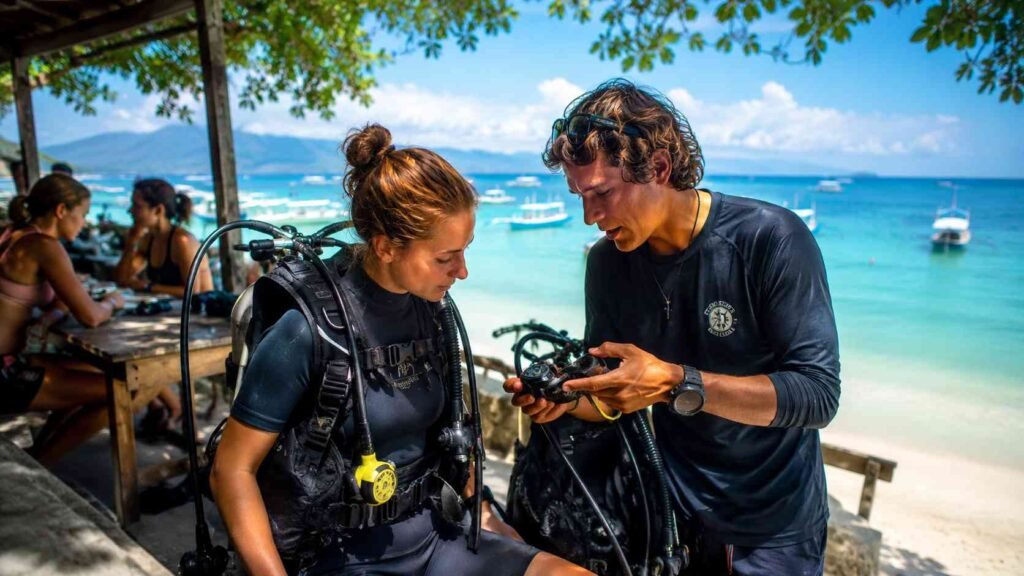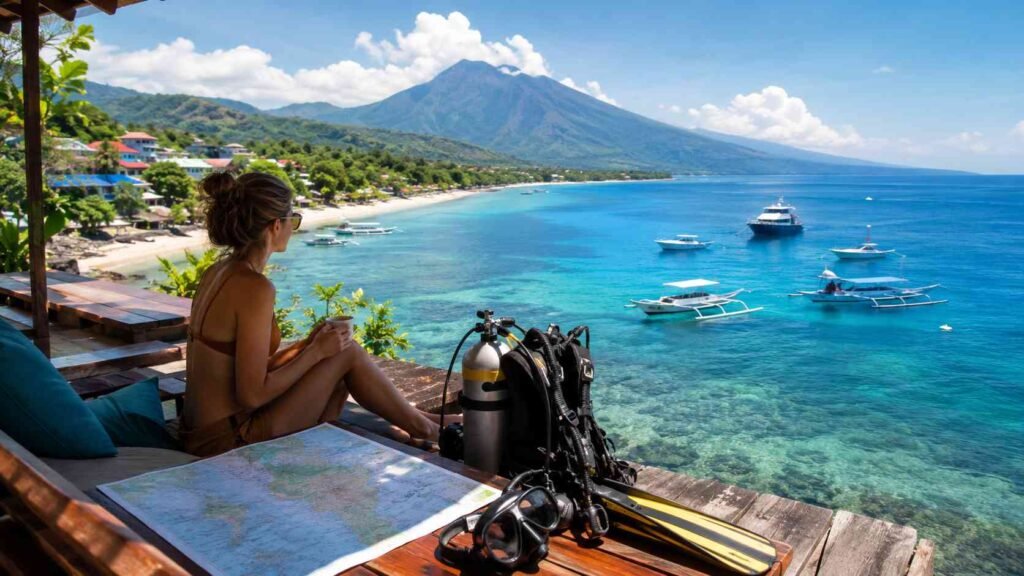
Coral Reef health In Amed. Located on the peaceful eastern coast of Bali, Amed is widely known for its calm atmosphere, traditional fishing villages, and easy access to vibrant coral reefs. These reefs are the foundation of the local marine ecosystem and a major reason why divers and snorkelers from around the world visit the area. Understanding the condition of Amed coral reefs helps highlight both their beauty and the importance of protecting them.
Why Coral Reefs Are Important
Coral reefs in Amed play a crucial role in supporting marine biodiversity. They provide shelter, feeding grounds, and breeding areas for a wide variety of species including reef fish, crustaceans, and other marine organisms. Healthy reefs also act as natural barriers, reducing wave energy and helping protect the coastline from erosion.
Beyond environmental benefits, reefs are vital for the local economy. Tourism, small-scale fishing, and marine recreation all depend on thriving underwater ecosystems. When coral reefs remain healthy, they support both nature and community livelihoods.
Current Condition of Coral Reefs in Amed
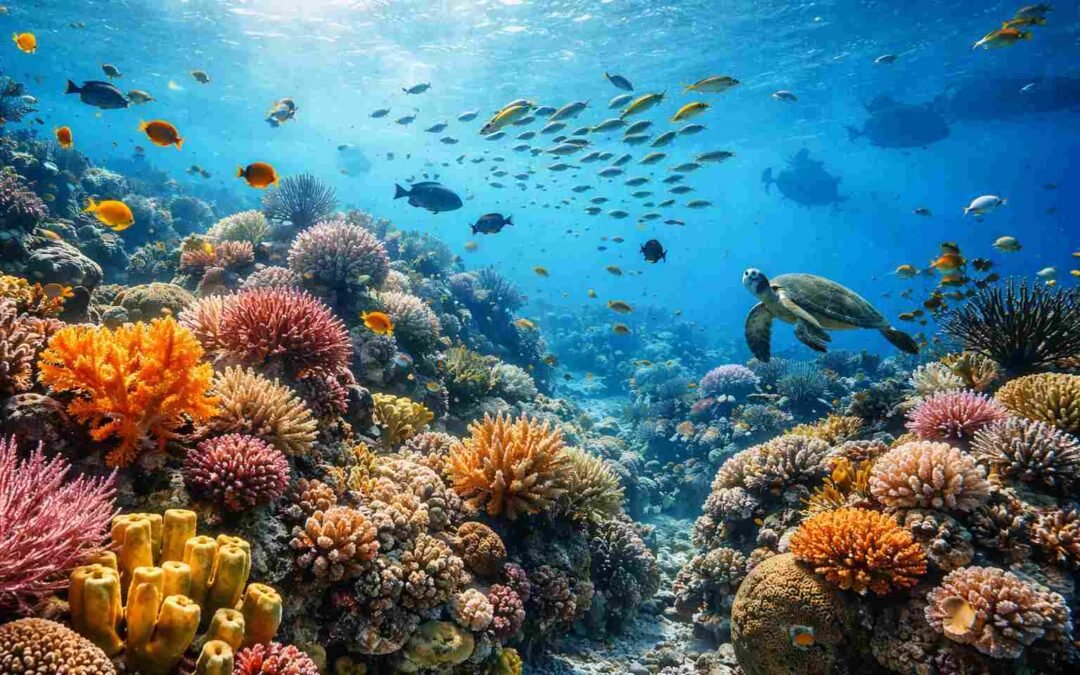
Overall, coral reef health in Amed is considered relatively stable compared to many heavily developed coastal destinations. Divers often report good coral coverage, especially in deeper areas where conditions are more stable. Hard corals, soft corals, and reef fish populations remain diverse, creating colorful underwater landscapes.
However, some shallow reef sections show signs of stress. Broken coral fragments, patches of algae, and reduced coral density can be seen in areas with higher human activity. These localized impacts highlight the need for continuous conservation and responsible tourism practices.
Main Threats to Reef Health
Climate Change and Rising Sea Temperatures
Increasing ocean temperatures are one of the biggest global threats to coral reefs. When water becomes too warm, corals may experience bleaching, a stress response that can weaken or kill coral colonies if conditions persist.
Coastal Development
As tourism grows, construction near the shoreline can lead to sediment runoff and water pollution. Sediment reduces sunlight penetration, which corals need for photosynthesis, while pollutants can harm marine life.
Physical Damage from Human Activity
Activities such as stepping on coral, careless fin movement while diving, or dropping anchors can cause direct damage. Even small impacts accumulate over time, especially in popular snorkeling areas.
Marine Debris and Plastic Waste
Plastic pollution occasionally reaches Amed’s coastline and reefs. Debris can smother corals or harm marine animals through entanglement or ingestion.
Conservation Efforts in Amed
Local communities and dive operators have taken meaningful steps to protect the marine environment. These efforts demonstrate a strong commitment to sustainability and long-term reef health.
Key initiatives include:
- Coral restoration and artificial reef projects
- Installation of mooring buoys to prevent anchor damage
- Beach and underwater cleanup programs
- Environmental education for visitors and local residents
These programs not only improve reef resilience but also encourage travelers to become more responsible ocean users.
The Role of Responsible Tourism
Tourists play a significant role in reef conservation. Simple actions can greatly reduce environmental impact, such as maintaining good buoyancy while diving, avoiding contact with marine life, and choosing reef-safe sunscreen products.
Supporting eco-friendly dive centers and participating in conservation activities can also help fund ongoing protection efforts in the region.
Future Outlook
The future of coral reefs in Amed depends on balancing tourism growth with environmental protection. Continued monitoring, community engagement, and sustainable business practices will be essential to maintain reef resilience.
Because Amed remains less developed than many other coastal areas, it has a strong opportunity to preserve its marine ecosystems if proactive conservation continues.
Conclusion
Coral reef health in Amed reflects both the richness of nature and the importance of stewardship. The reefs remain vibrant and full of life, offering exceptional underwater experiences while supporting local communities.
By promoting sustainable tourism and protecting marine habitats, Amed can continue to be one of Bali’s most valuable and beautiful marine environments for generations to come.