Padang Bai Diving Conditions Explained. Padang Bai is one of Bali’s most versatile dive destinations, offering a mix of vibrant coral reefs, macro hotspots, and exciting drift dives. Located on the east coast of Bali, this small harbor town provides access to several dive sites that suit both beginners and experienced divers. Understanding the diving conditions in Padang Bai is essential for planning a safe and enjoyable dive trip, as conditions can vary depending on the season, tides, and specific site.
Overview of Padang Bai Dive Sites
Padang Bai is home to several well-known dive sites, each with its own unique conditions. The most popular include Blue Lagoon, Jepun, Bias Tugel, and the more advanced site, Gili Mimpang. Because the sites are close to shore, boat rides are typically short, making Padang Bai a convenient option for day trips.
Blue Lagoon and Jepun are sheltered bays with relatively calm water, making them ideal for training dives and beginner fun dives. Meanwhile, Gili Mimpang is exposed to open ocean conditions and is known for stronger currents and deeper depths.
Water Temperature
Water temperature in Padang Bai is generally warm but can fluctuate throughout the year. Most of the time, divers can expect temperatures between 26°C and 29°C (79°F to 84°F). However, during the cooler months — particularly from July to October — upwellings can bring colder water, sometimes dropping temperatures to 22°C–24°C (72°F–75°F).
Because of these variations, a 3mm wetsuit is usually sufficient for most of the year, but some divers prefer a 5mm wetsuit during the colder season, especially for multiple dives in a day.
Visibility
Visibility in Padang Bai typically ranges from 10 to 25 meters (33 to 82 feet) depending on weather and plankton levels. Blue Lagoon and Jepun often have the best visibility because they are protected from strong currents and waves. During plankton blooms, visibility may decrease slightly, but this often brings more marine life, including turtles and larger fish.
After heavy rains, visibility can temporarily drop due to runoff, but it usually improves quickly once conditions stabilize.
Currents
Currents in Padang Bai vary significantly by site and tide. Blue Lagoon and Jepun are known for their mild currents, making them comfortable for beginners and photographers who prefer relaxed dives.
Gili Mimpang and nearby exposed sites can experience moderate to strong currents, sometimes turning dives into drift experiences. These conditions attract pelagic species but require good buoyancy control and comfort in moving water. Dive operators typically plan dives around tidal changes to ensure safer conditions.
Sea Conditions and Surface Conditions
Sea conditions are usually calm in the morning, with waves picking up slightly in the afternoon. Because Padang Bai is a working harbor, boat traffic is common, but dive operators are well-coordinated and use surface markers to ensure diver safety.
The sheltered bays provide protection from large swells, which is why Padang Bai is often diveable even when other areas of Bali experience rough seas.
Read more: Nusa Penida Diving Day Trip vs Stay Overnight
Marine Life and How Conditions Affect Sightings
Padang Bai is famous for its diversity of marine life, and conditions play a big role in what divers can see. Calm, clear days are perfect for spotting reef fish, moray eels, and turtles around the coral slopes.
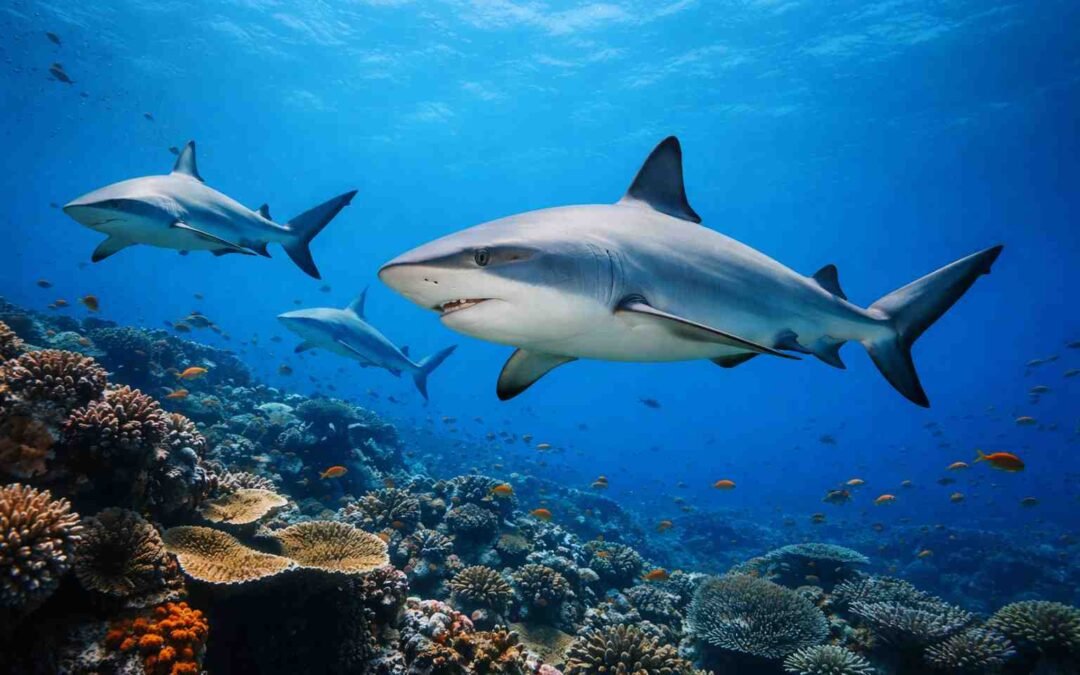
When currents increase, divers may encounter larger species such as reef sharks or schooling fish. Padang Bai is also a macro paradise, with frequent sightings of nudibranchs, frogfish, ghost pipefish, and octopus, particularly in sandy and rubble areas.
Read more: What Water Temperature Should You Expect in Padang Bai
Best Time to Dive in Padang Bai
Padang Bai is a year-round diving destination, but the best conditions are typically from April to November, when seas are calmer and visibility is more consistent. The dry season usually brings more predictable conditions, while the rainy season (December to March) can still offer great dives with occasional reduced visibility.
For macro lovers, any time of year is excellent, as critters can be found year-round. Divers hoping for bigger fish may prefer days with slightly stronger currents.
Read more: Is Tulamben Good for Night Photography
Who Is Padang Bai Suitable For?
One of Padang Bai’s biggest advantages is its versatility. Beginners and students will appreciate the calm, shallow reefs of Blue Lagoon and Jepun, while experienced divers can explore deeper and more dynamic sites like Gili Mimpang.
Because travel time from South Bali is relatively short, Padang Bai is also perfect for divers looking for a relaxed day trip without long boat rides.
Read more: Why Underwater Photographers Love Tulamben
Tips for Diving in Padang Bai
To get the most out of your dive experience, consider these practical tips:
- Dive early in the day for the calmest conditions
- Bring a reef hook or pointer stick if diving sites with current (if allowed by your operator)
- Use a thicker wetsuit during cooler months
- Always follow your guide’s briefing, as conditions can change with tides
- Keep your camera ready — macro life can appear anywhere
Read more: Menjangan Diving for Certification Courses
Final Thoughts
Padang Bai offers a well-balanced diving experience with conditions that can suit almost every level of diver. From gentle, shallow reefs perfect for beginners to current-swept sites attracting pelagic species, the area provides a diverse underwater environment in a compact location.
By understanding seasonal changes, water temperature, visibility, and currents, divers can plan their trips more effectively and enjoy everything Padang Bai has to offer. Whether you’re exploring vibrant coral gardens or searching for rare macro creatures, Padang Bai remains one of Bali’s most reliable and rewarding dive destinations.